



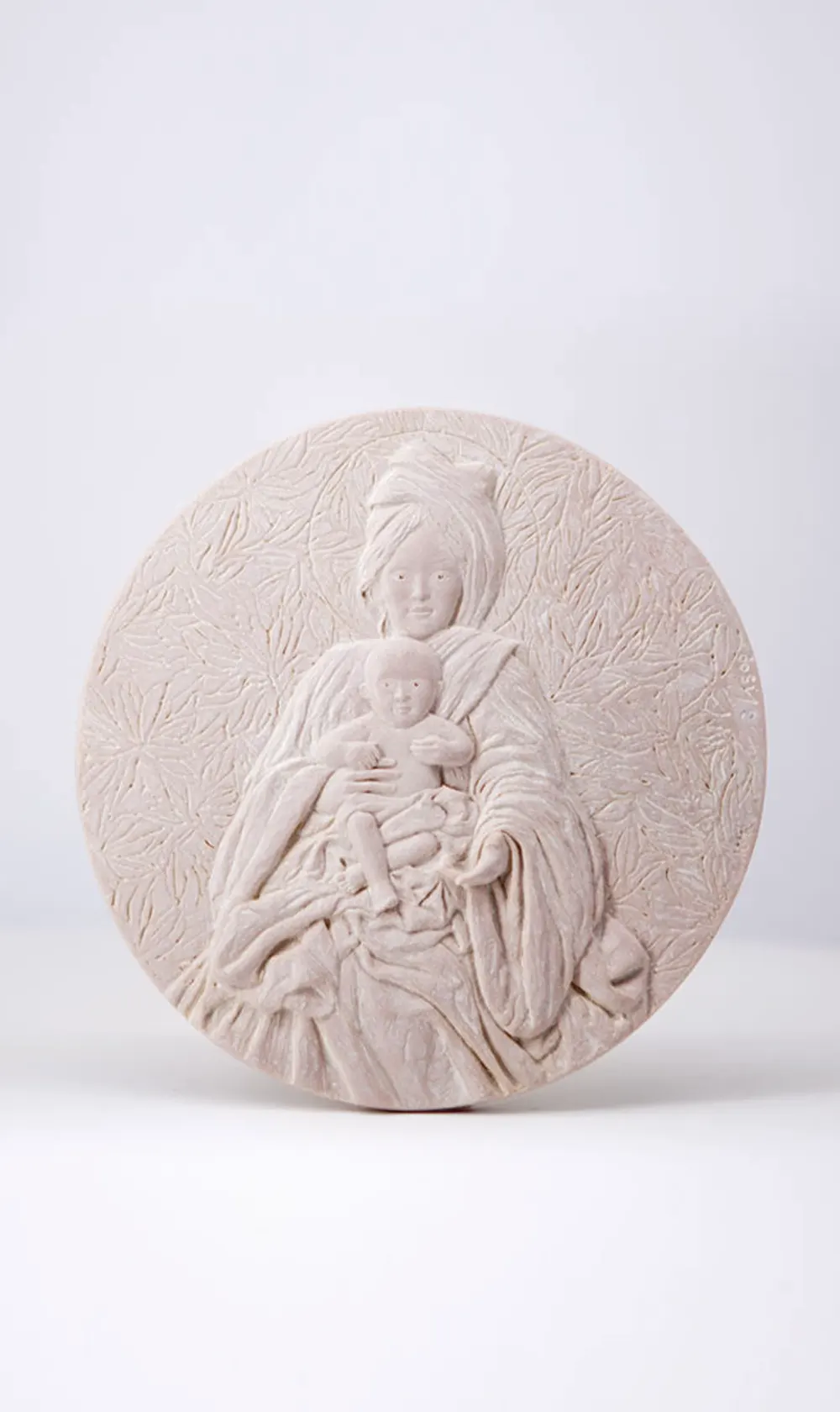
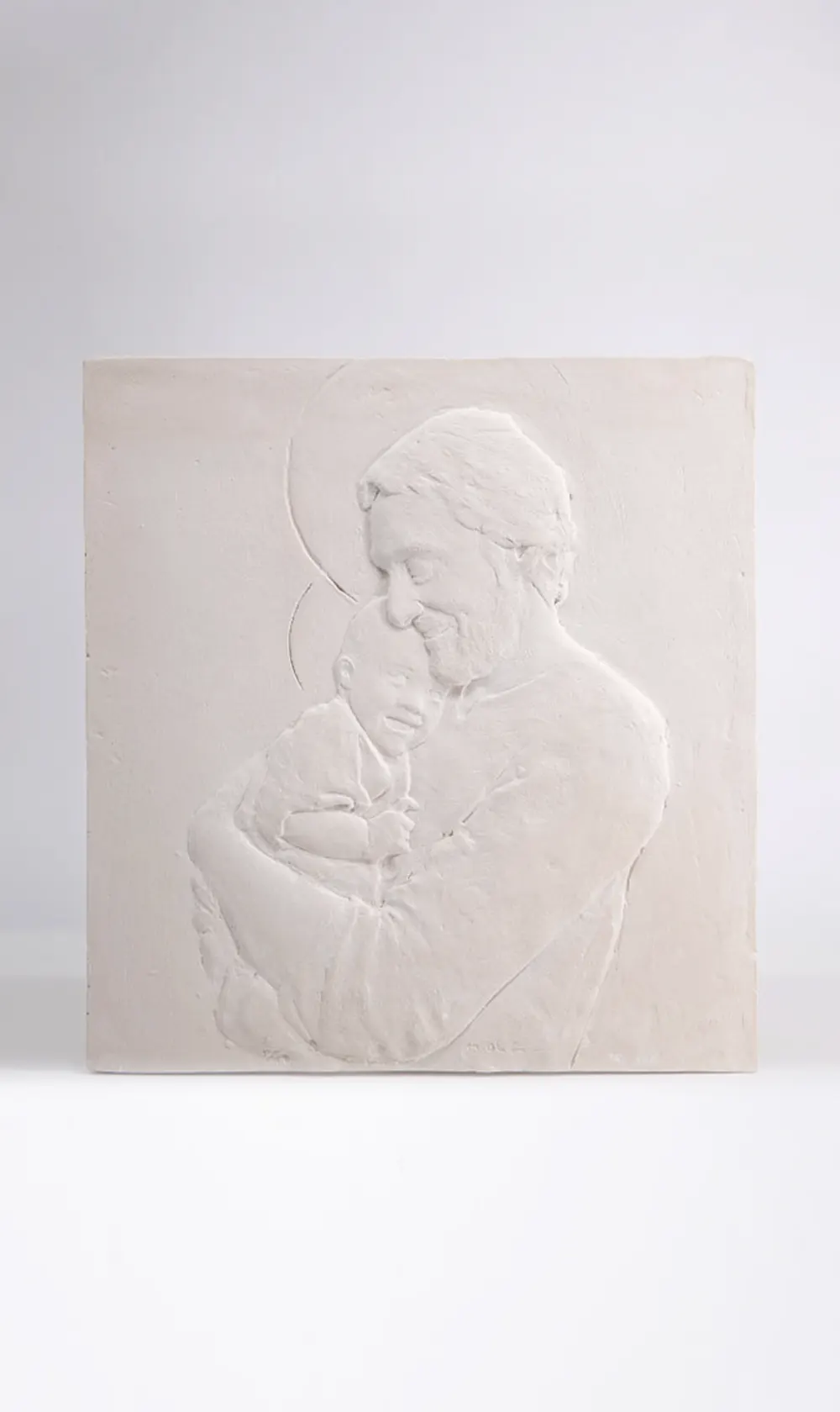
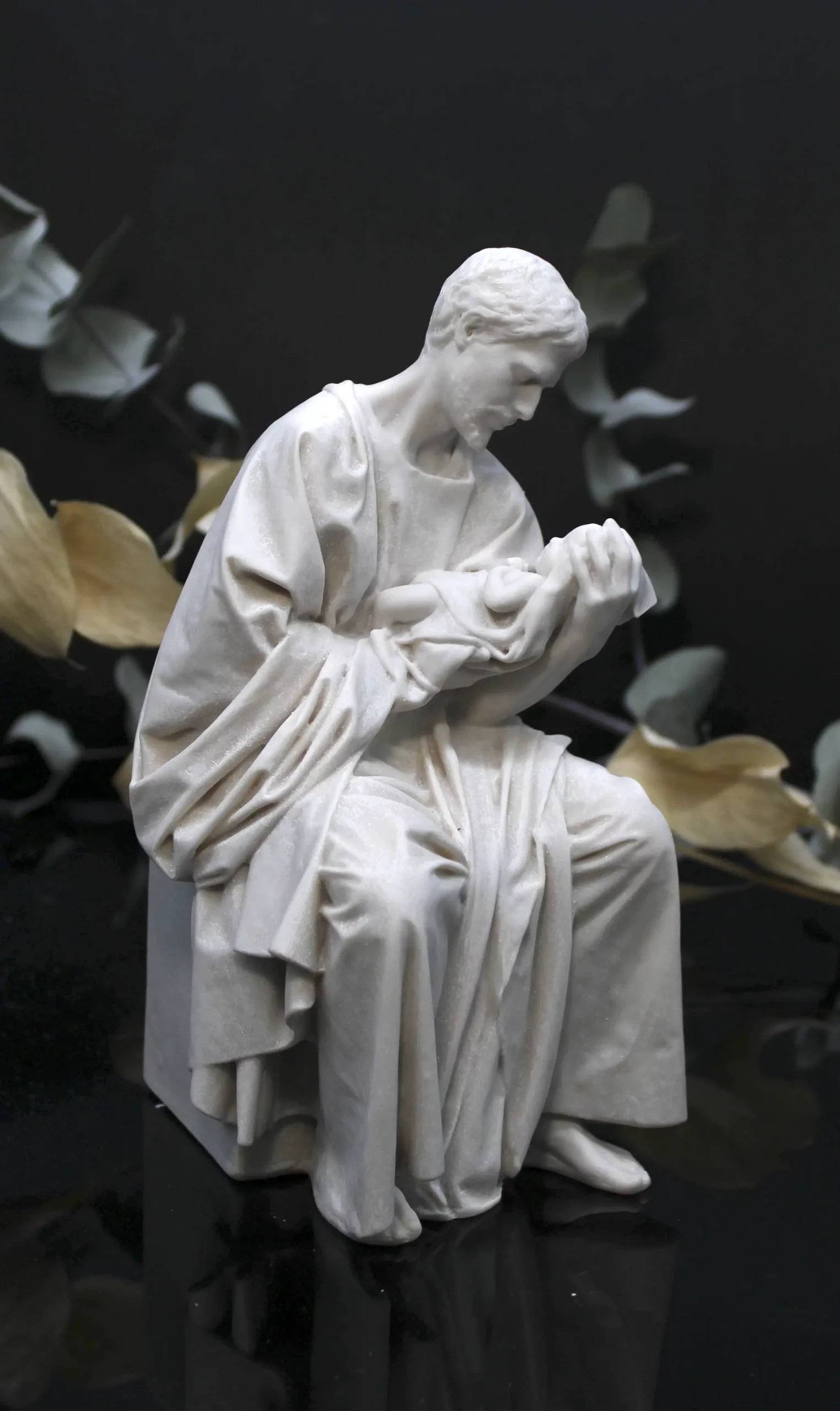
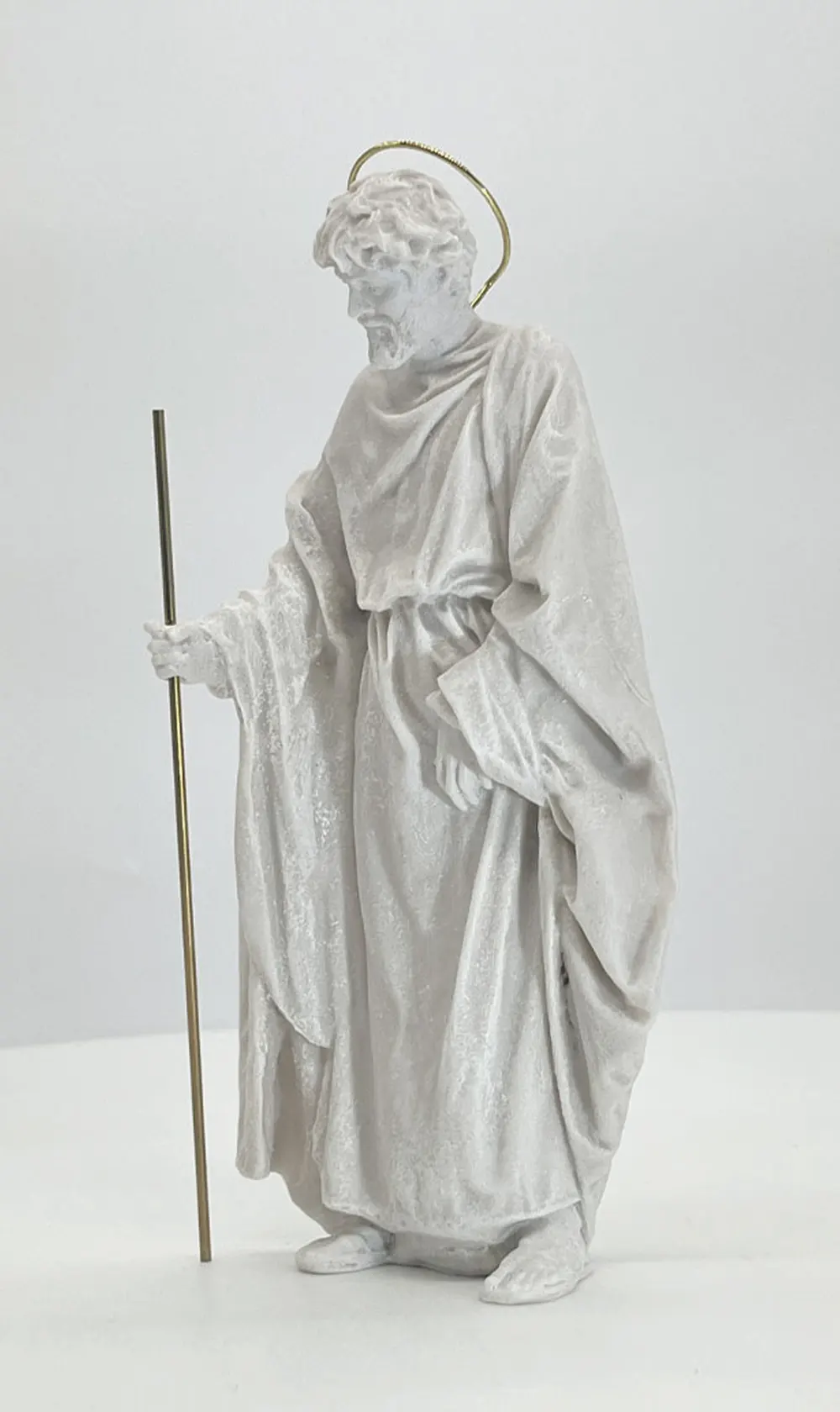
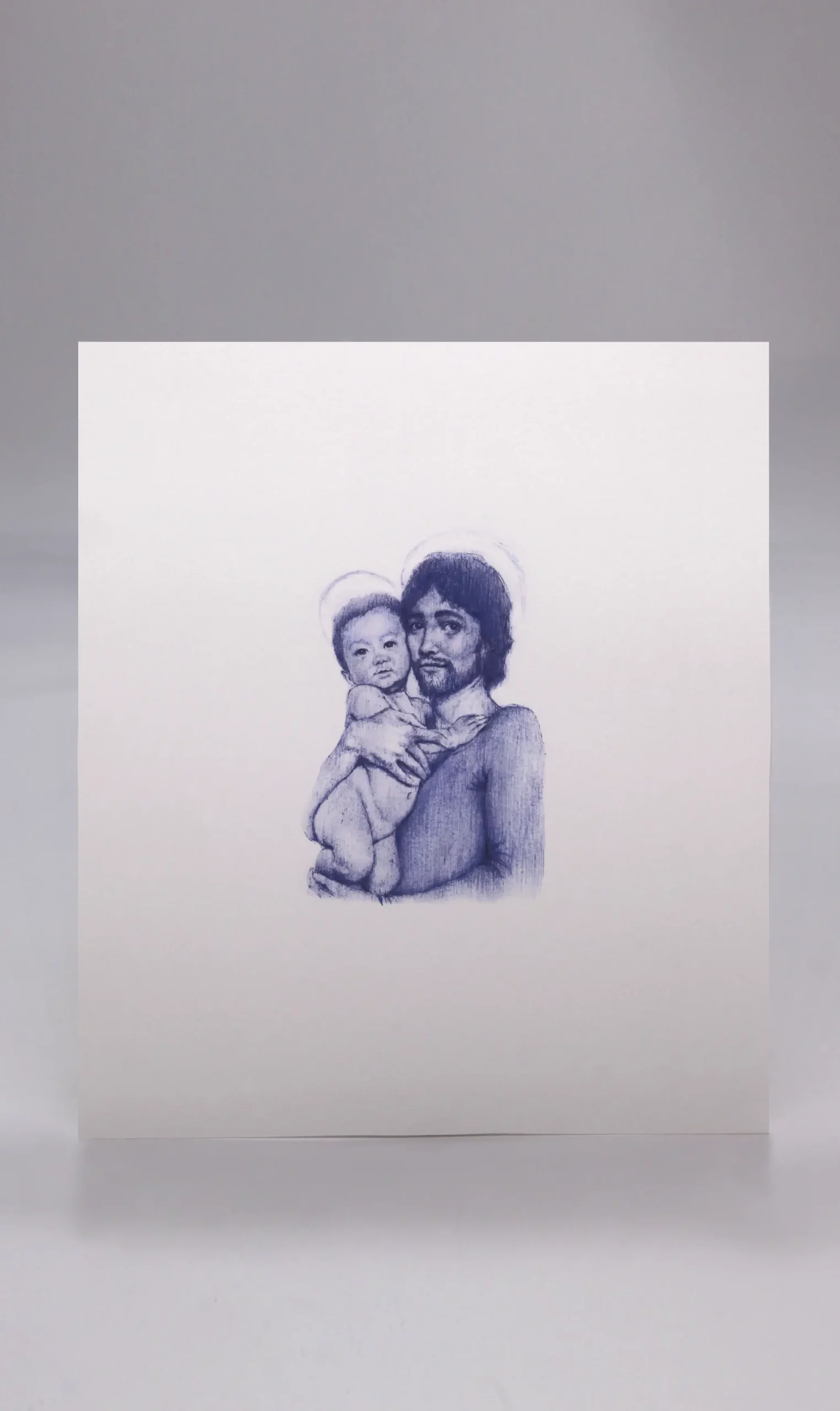
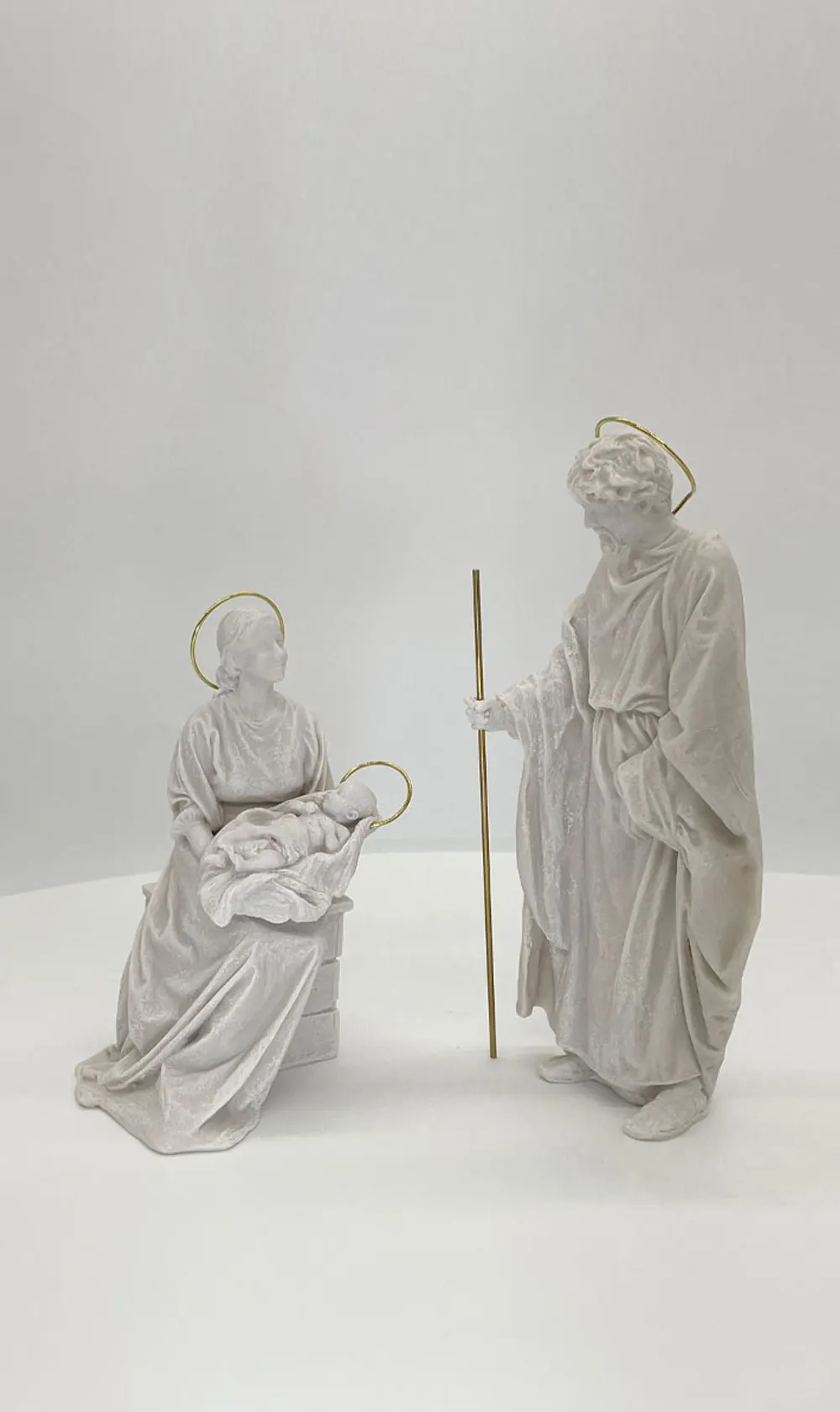
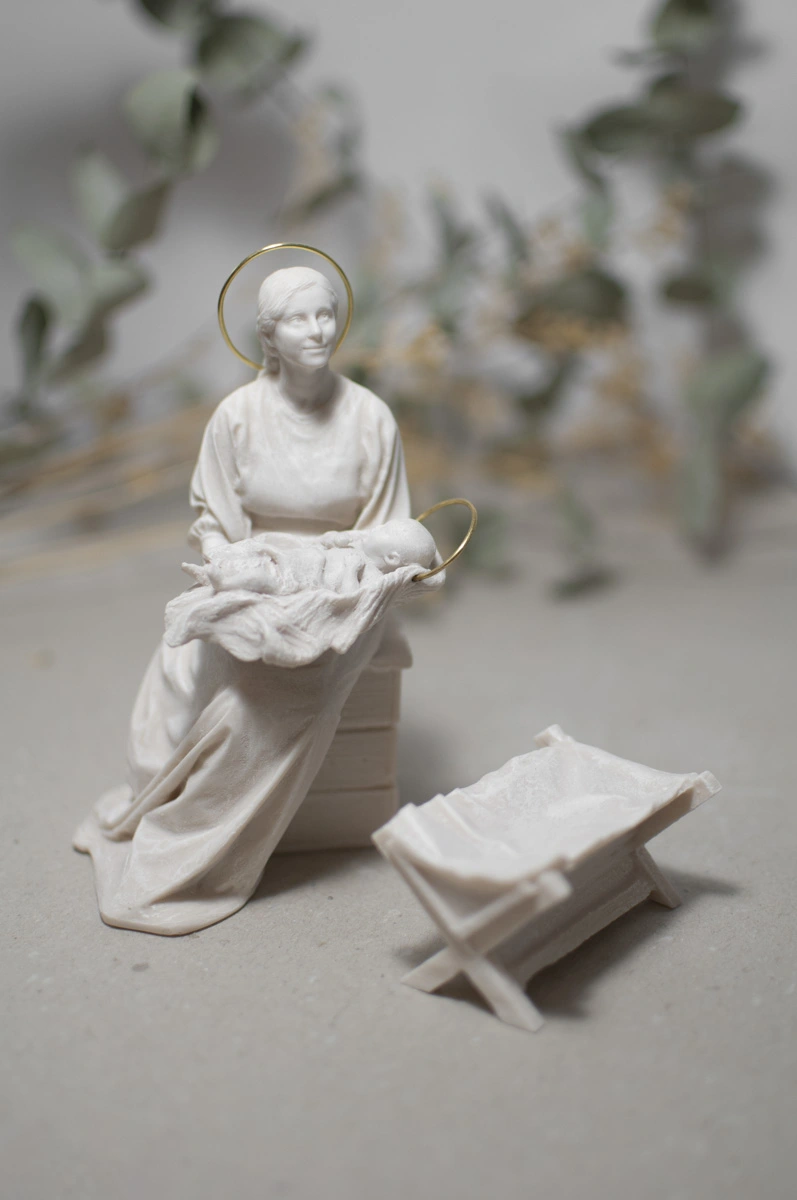
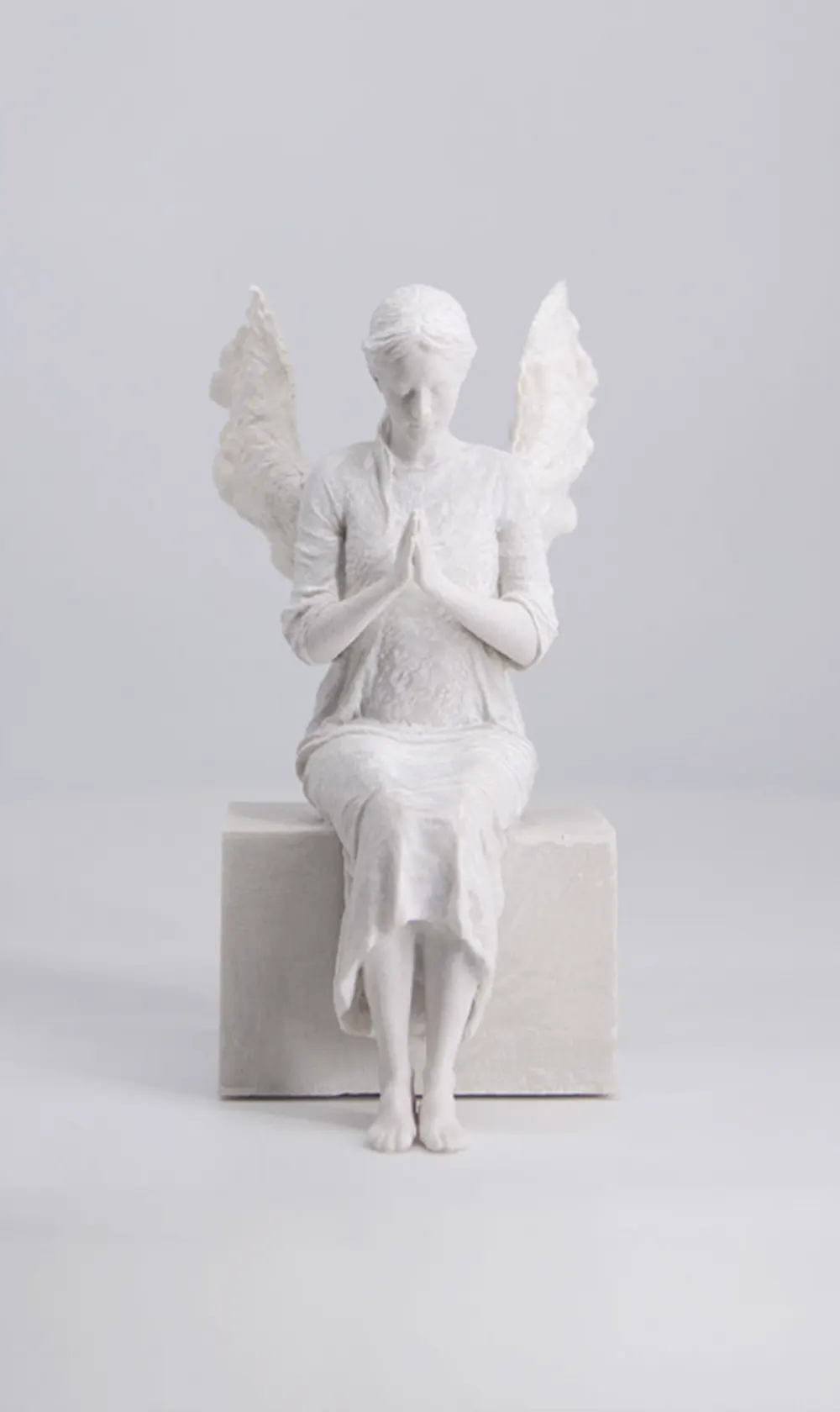
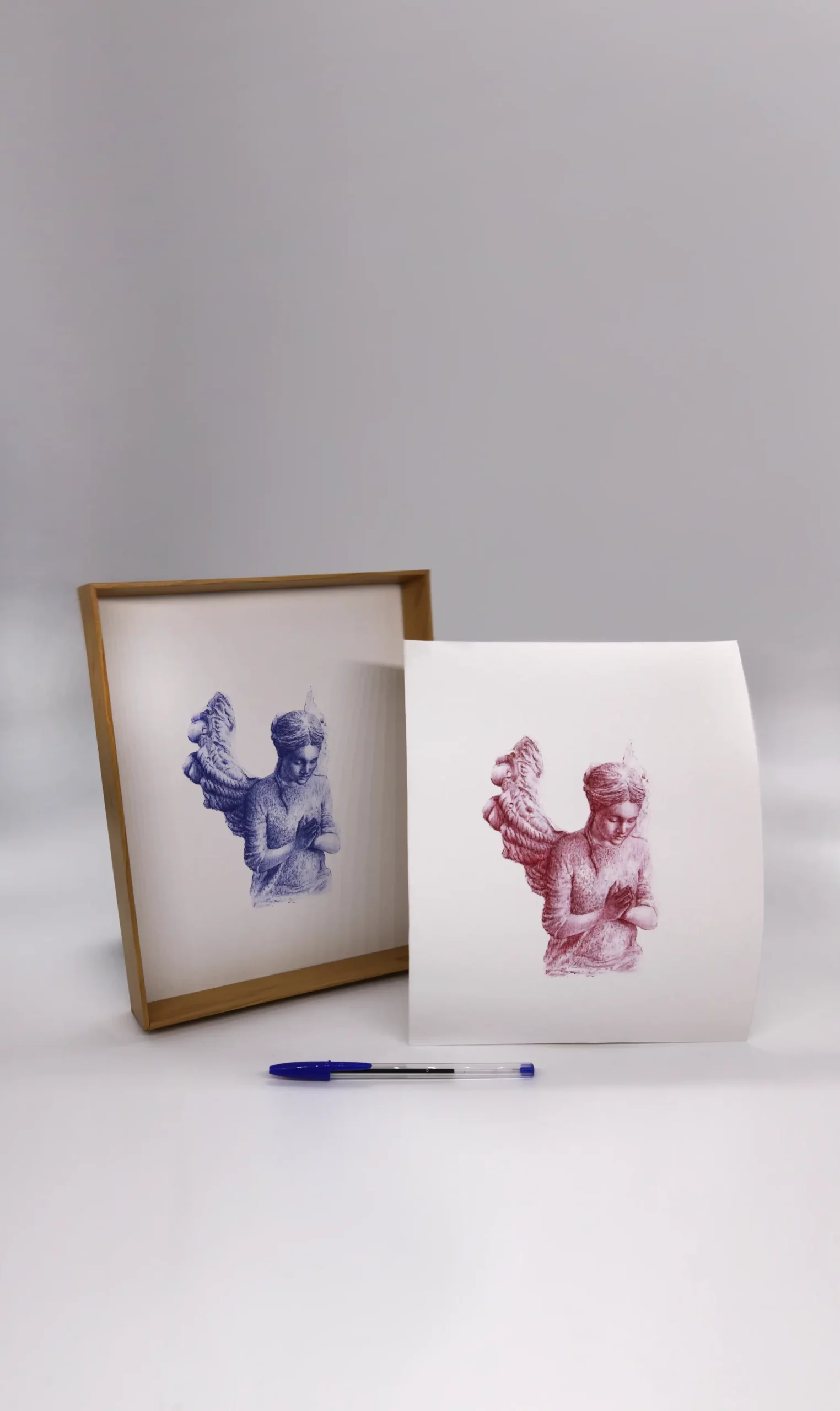
The sculpture of the virgin of Santa Maria de la Paz
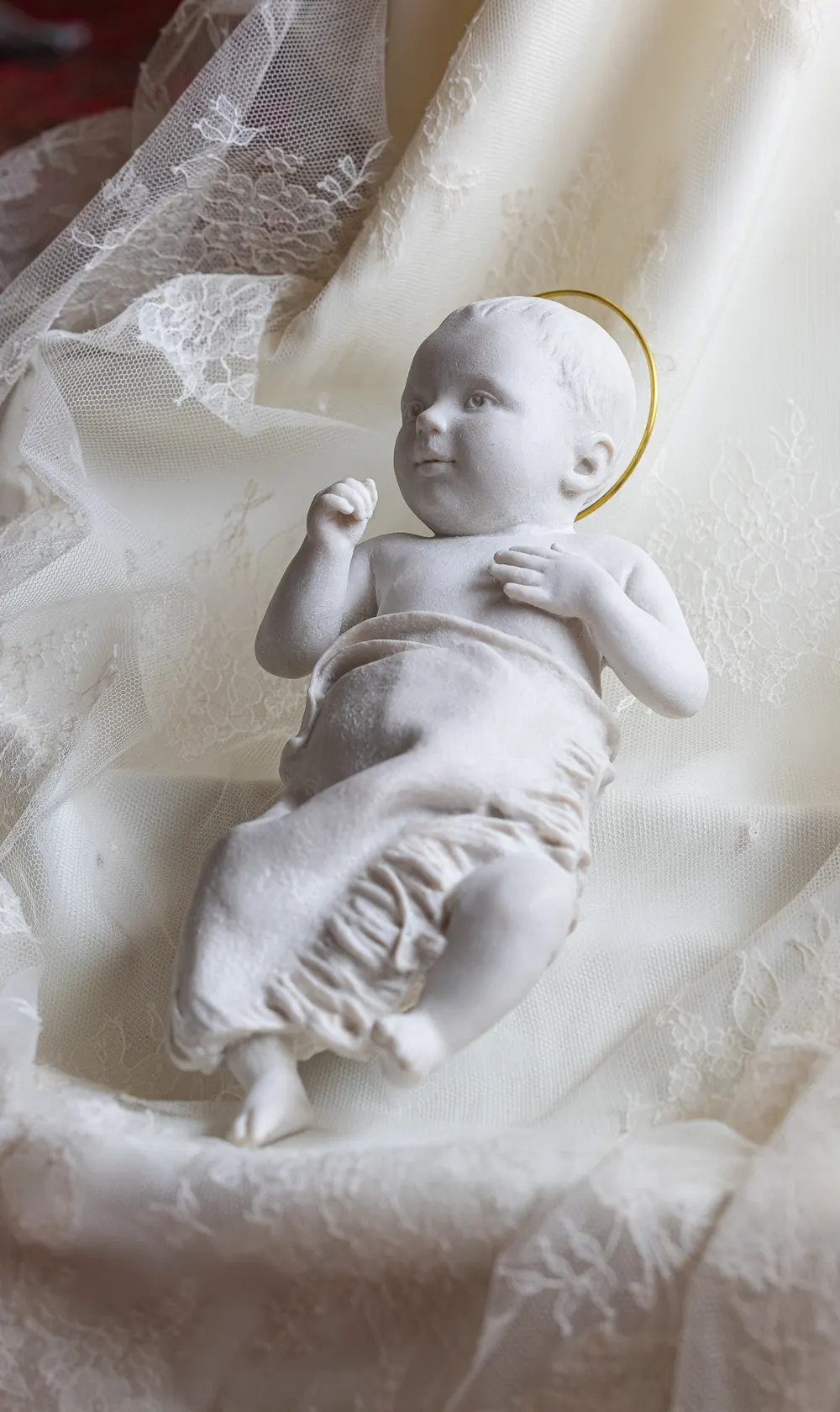
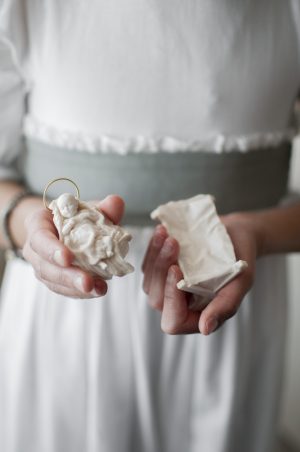
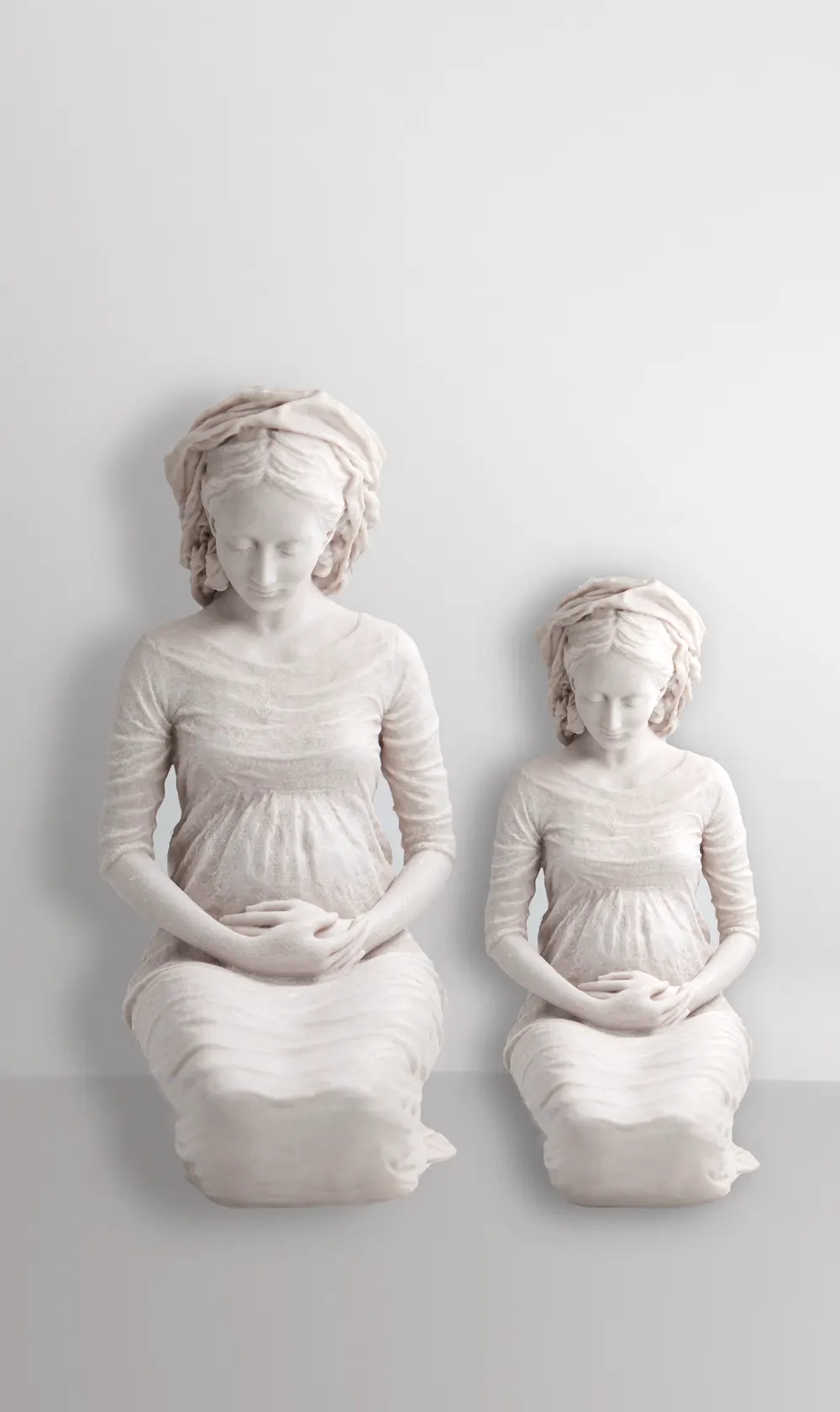
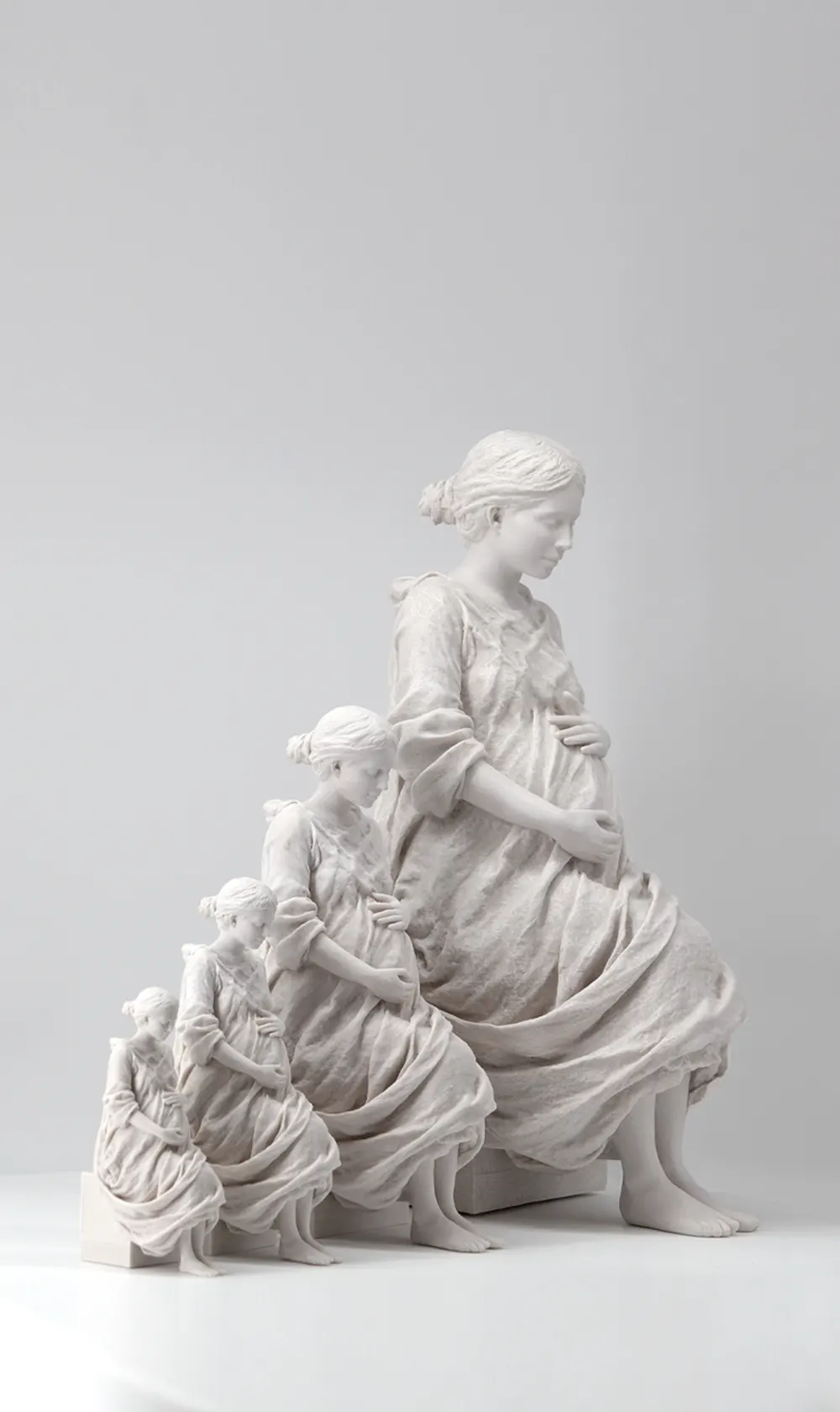
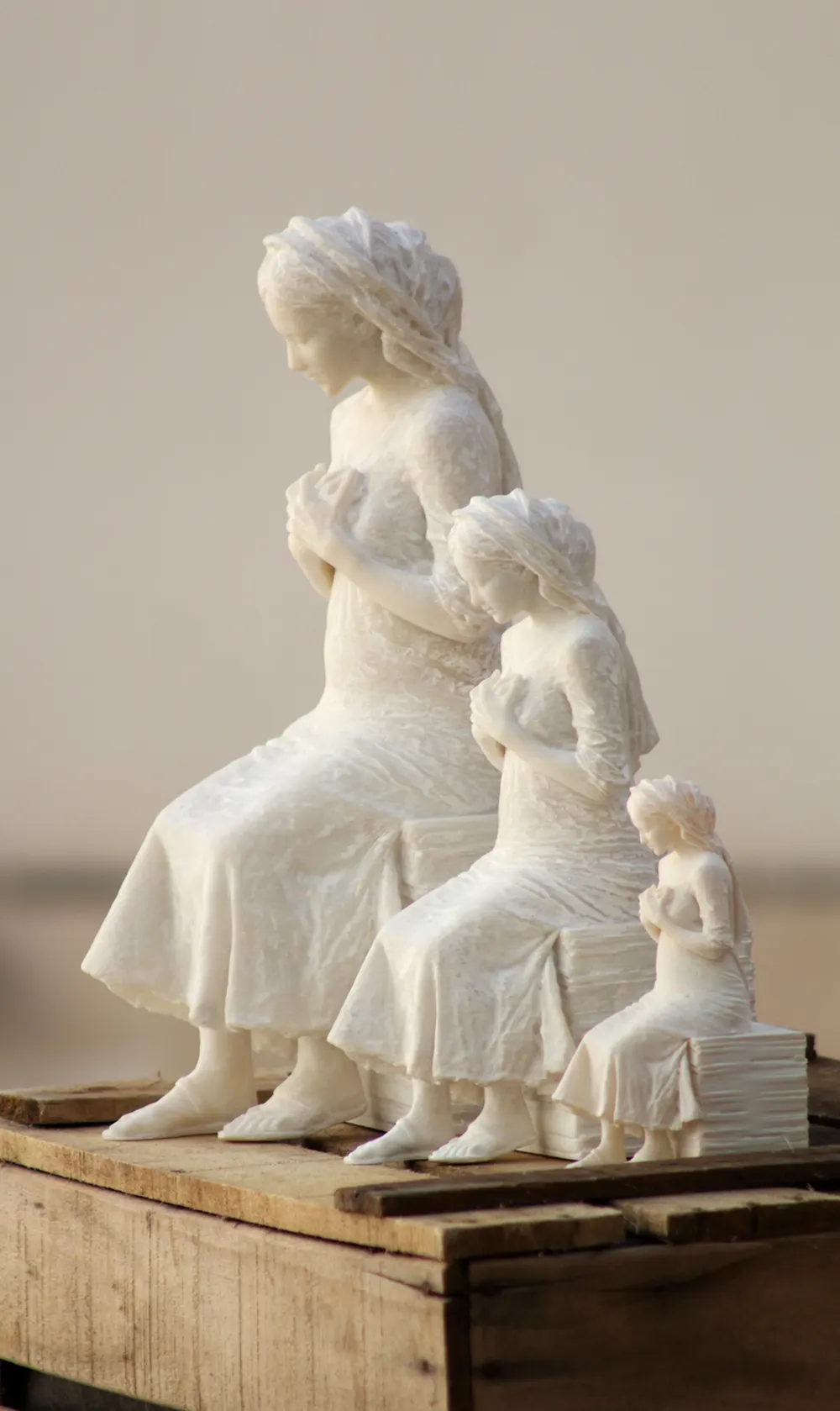
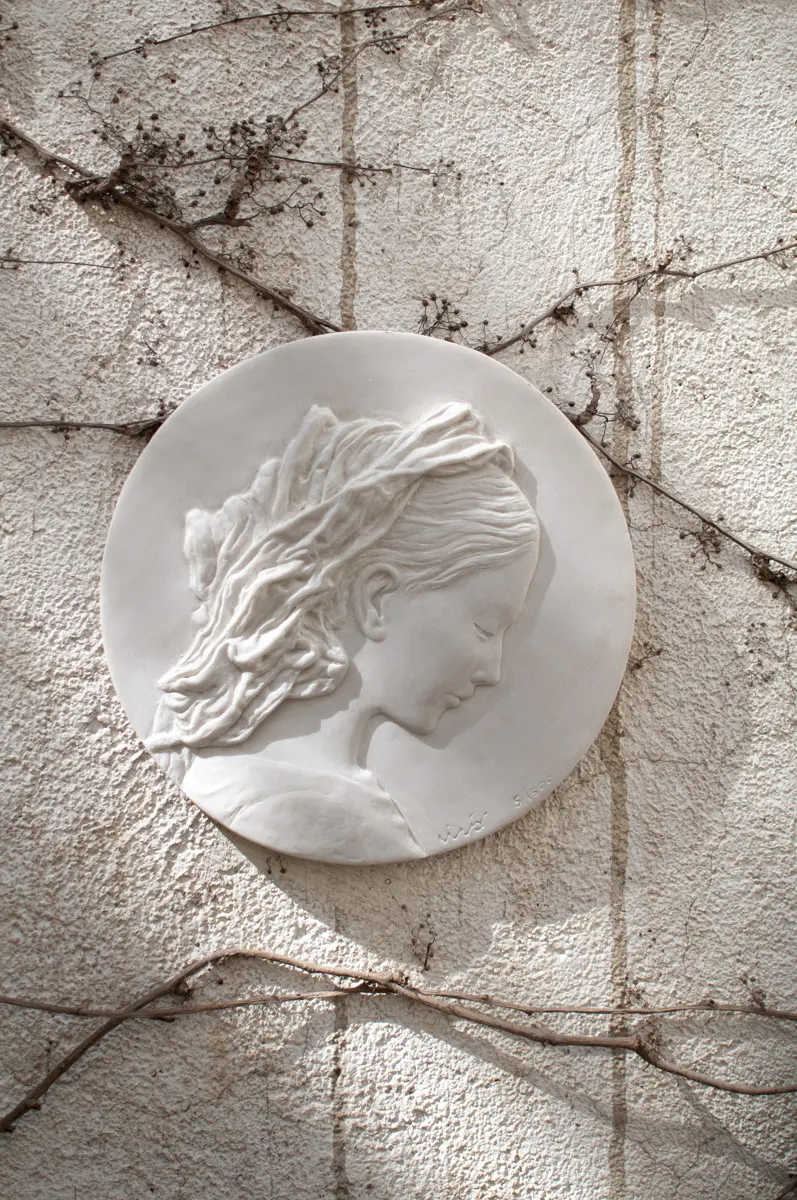
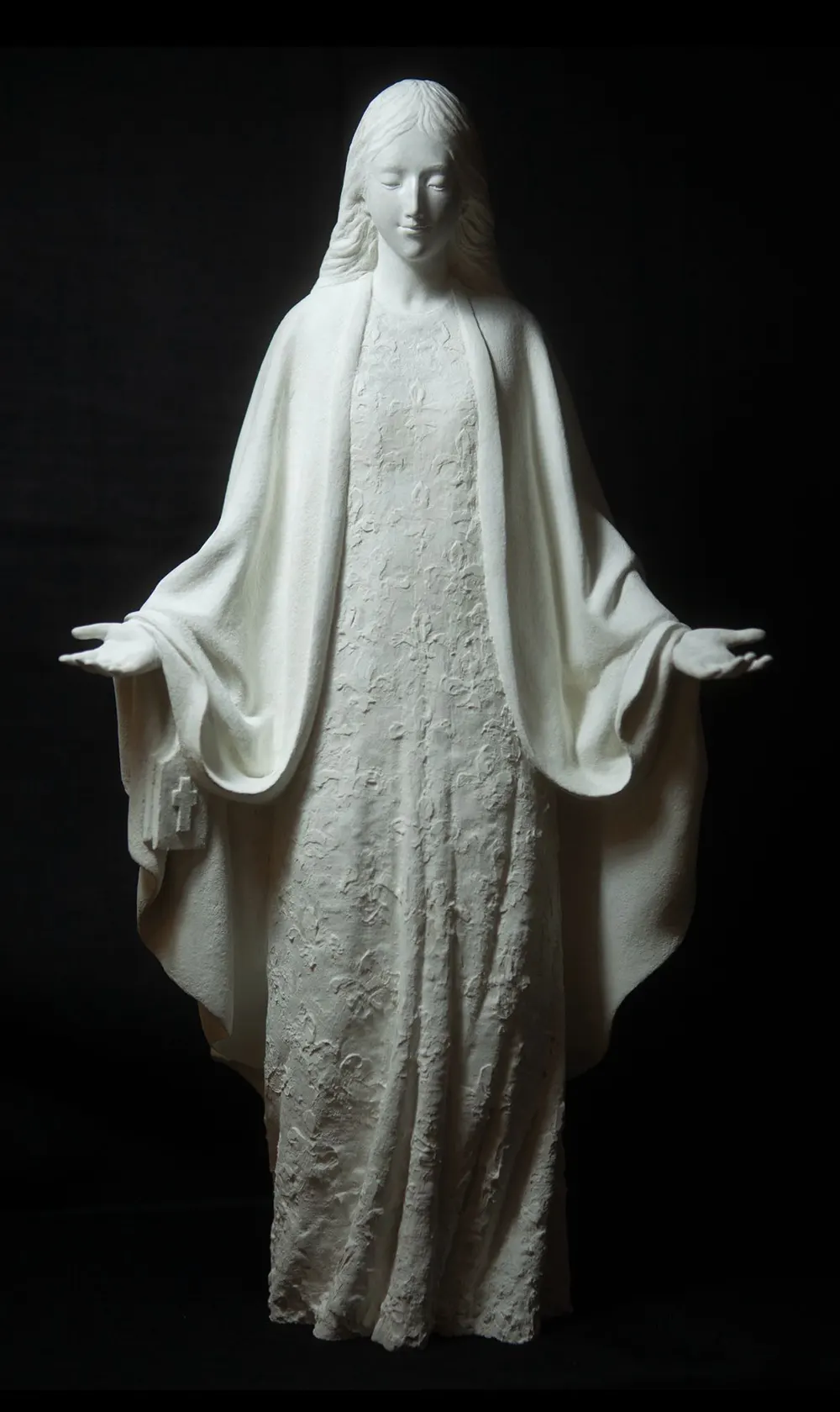
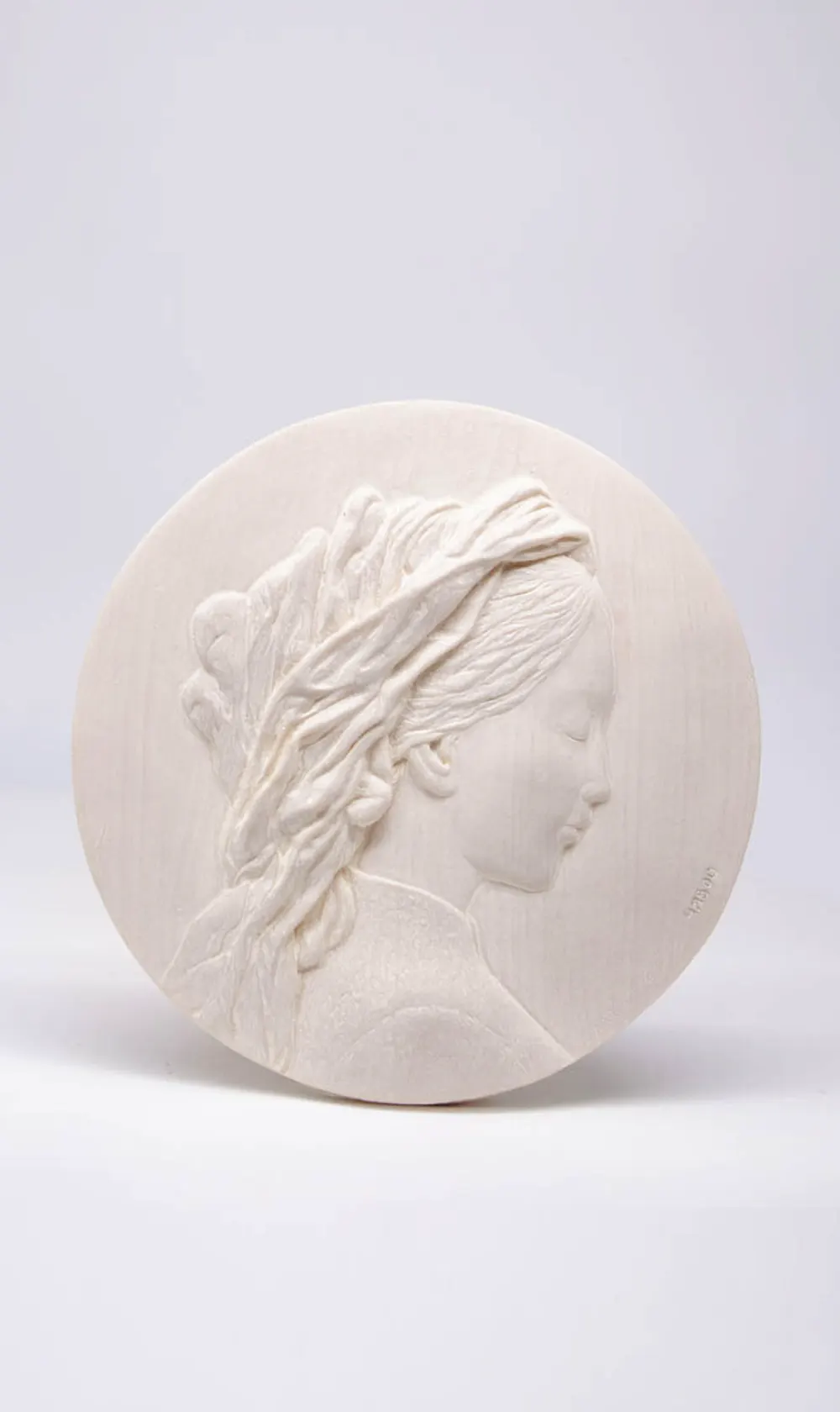
Sculpture of the Virgin of Santa María de la Paz. Project for the Chapel of the Center of the Hospitaller Order of St. John of God.
A project by Javier Viver with the collaboration of:
Mateo Maté
Alejandro Marote
David Jiménez
Juan Mazzuchelli
y Miguel Ángel Serrano Domenech
Project description
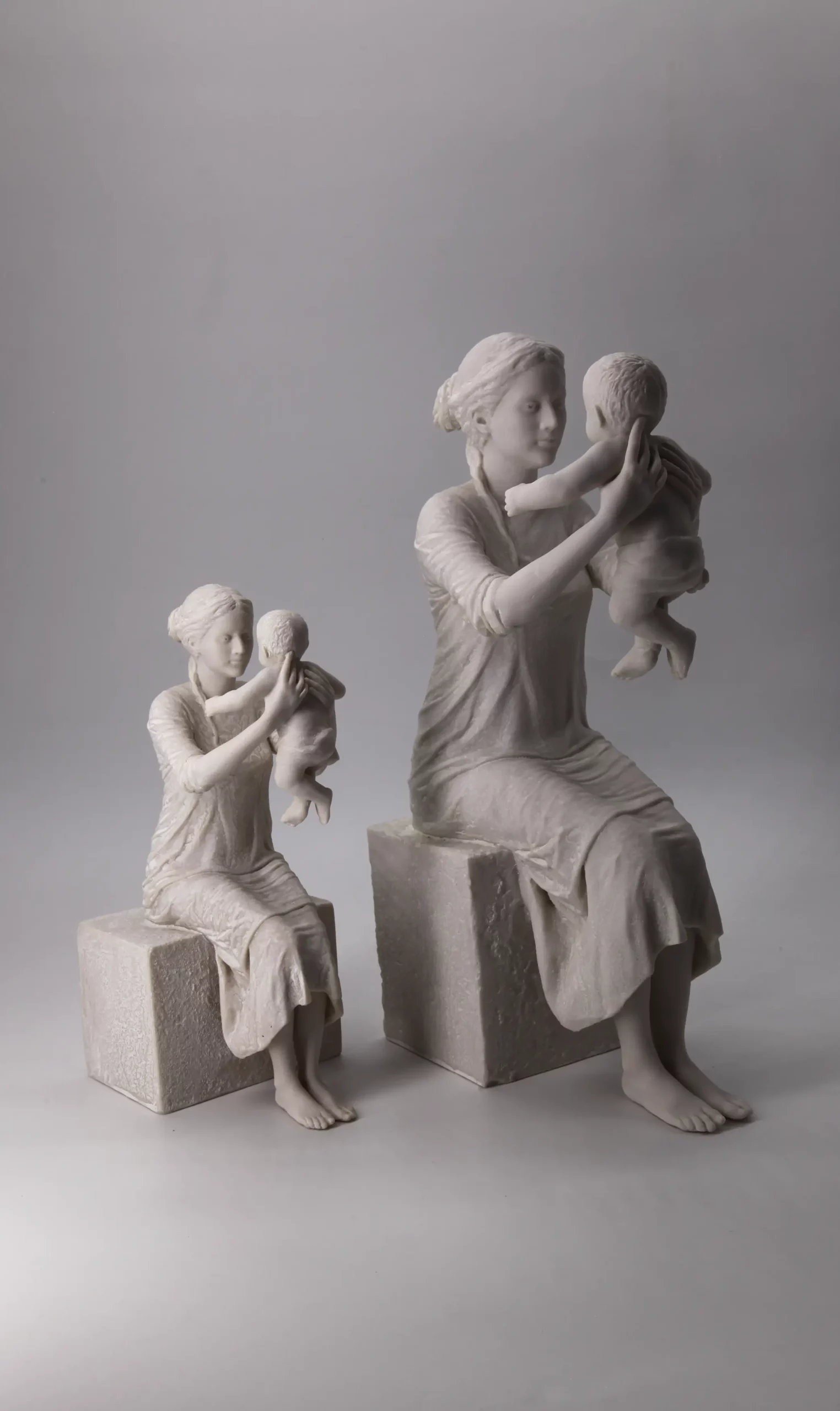
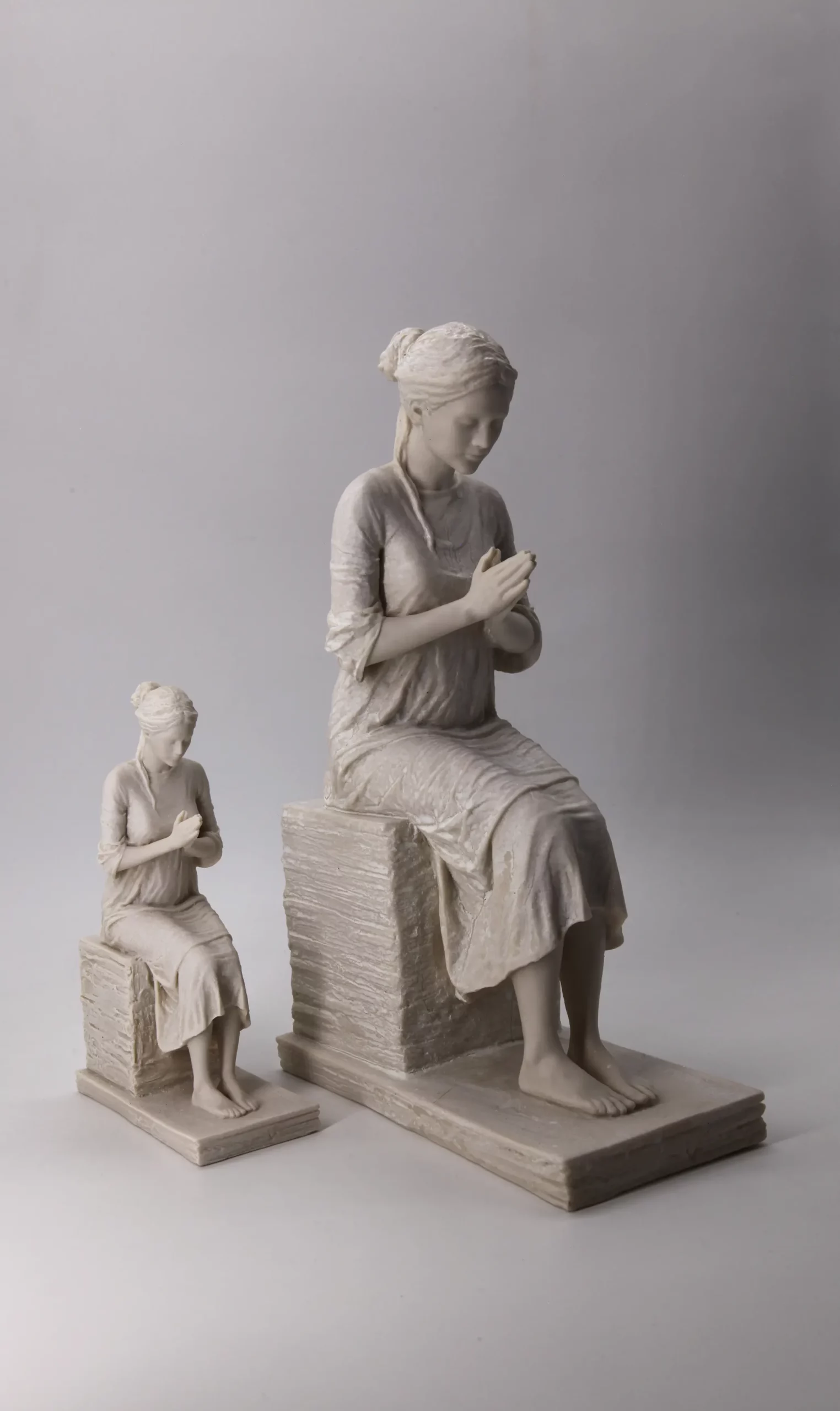
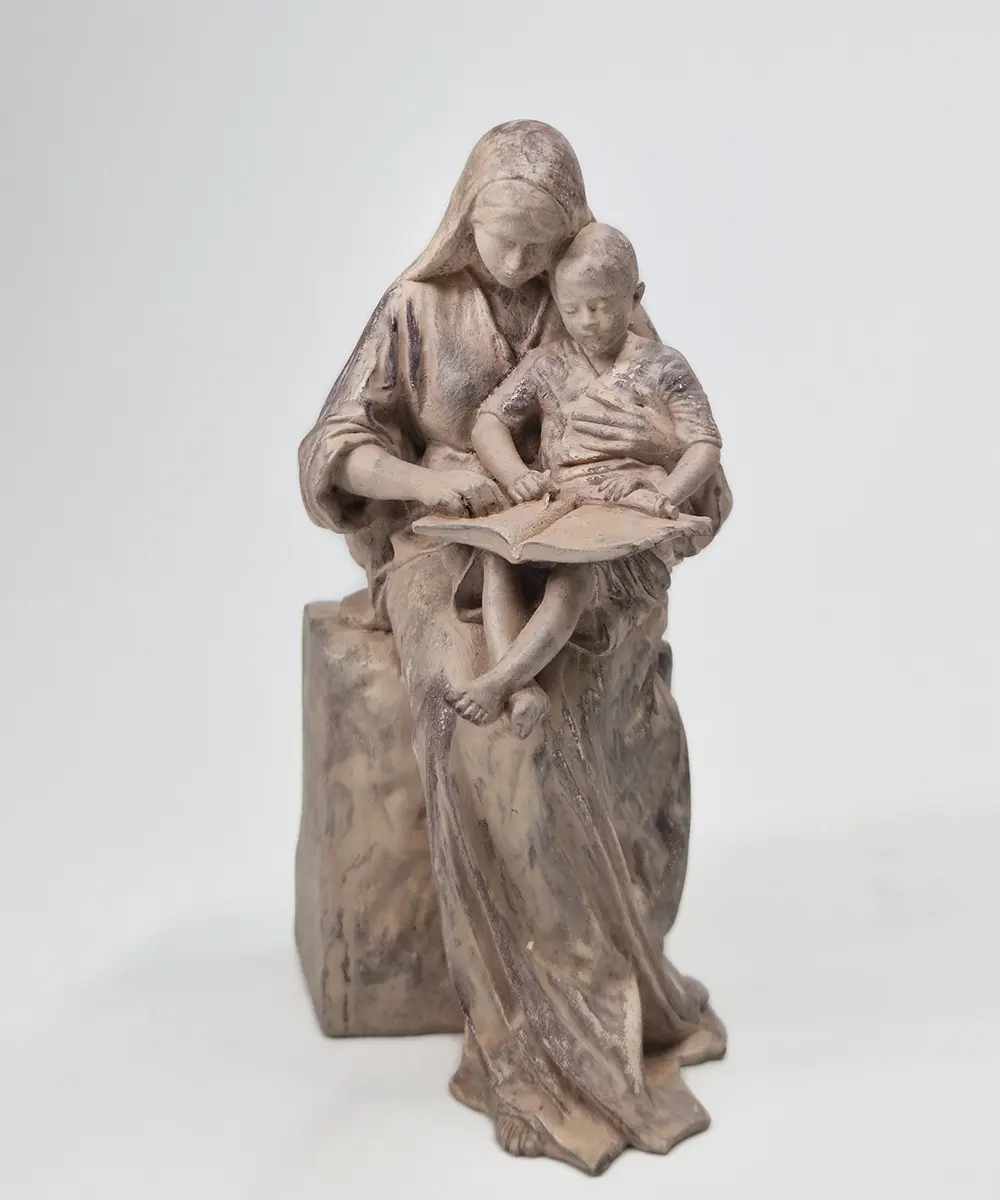
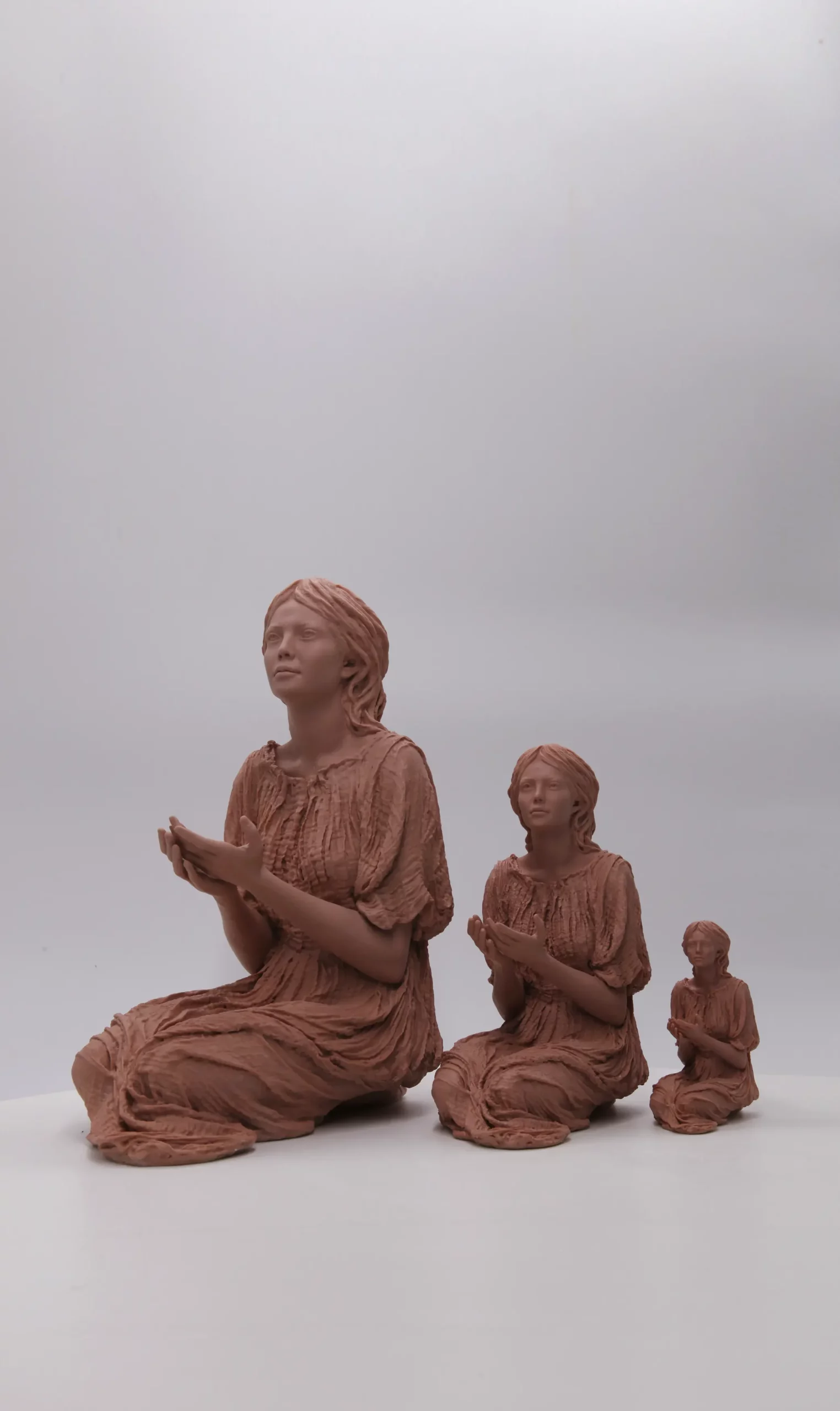
The sculpture of the Virgin Mary of Peace by the artist Javier Viver is part of the beautiful project of the small Chapel of the Hospital Center for homeless people. This chapel belongs to the Hospitaller Order of St. John of God.
The chapel of Santa Maria della Pace is proposed as the heart of the building. It concentrates the longing of this House, the creation of a heaven on earth, a space where we experience the welcome..., the arms of the good Father who holds us close to his heart, dresses us and invites us to the table. " ... because I was broken and you took me in"..
The chapel is thus arranged as a choir or gathering of those who have been welcomed to the Marriage of the Lamb: Go out to the crossroads and invite all whom you meet.
Project description and artists
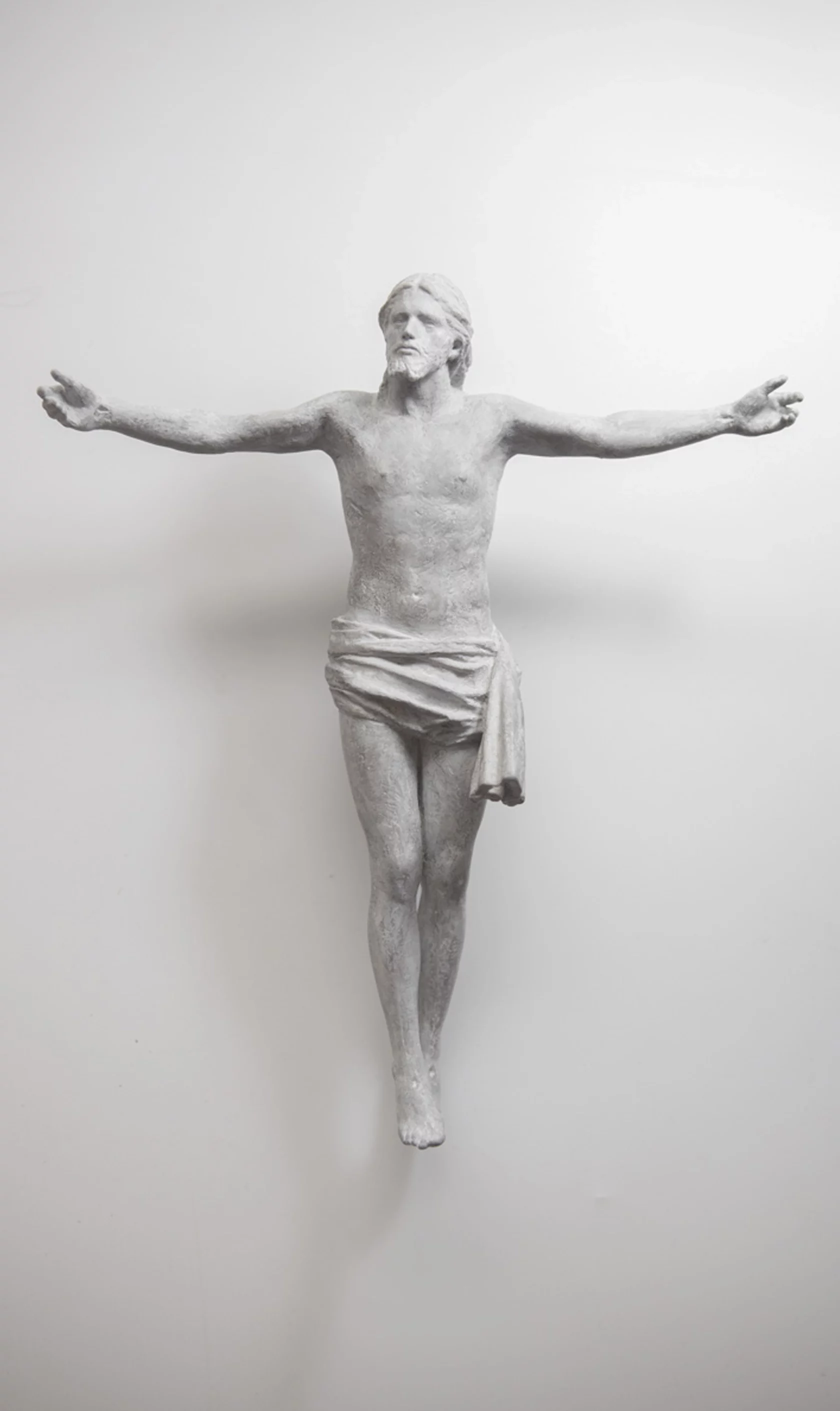
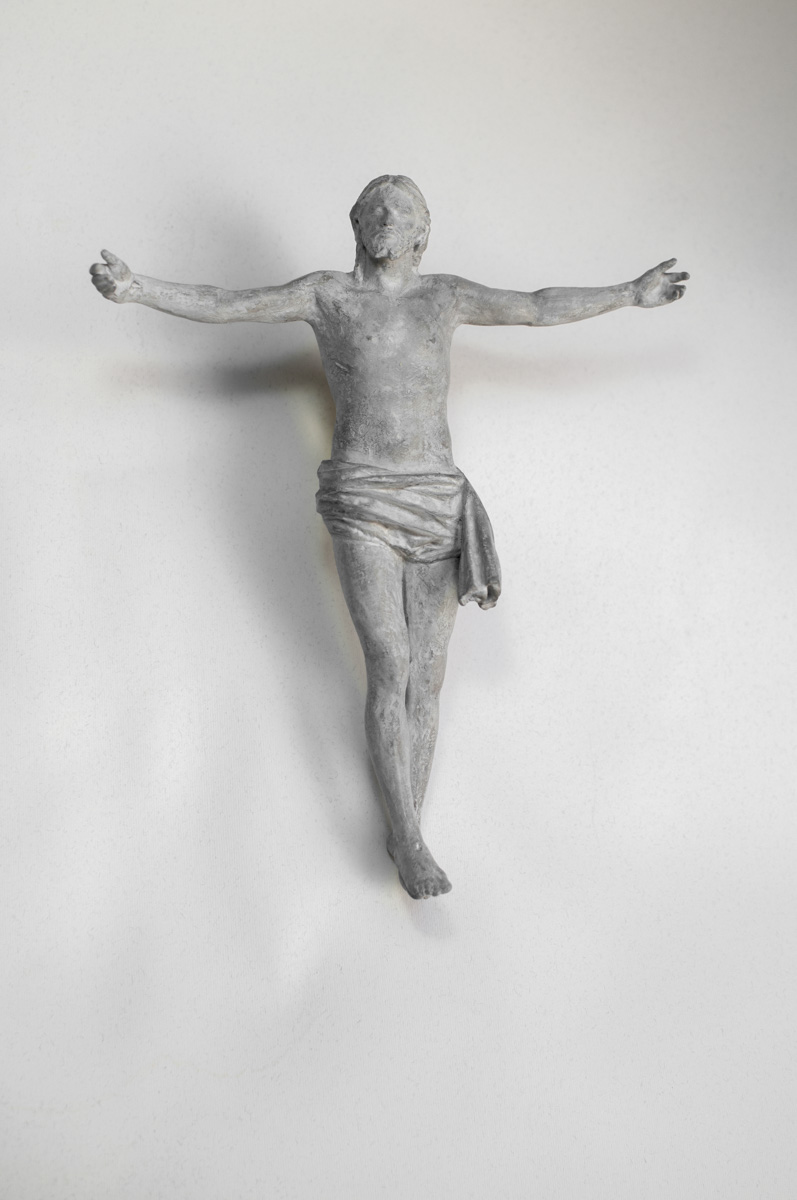
Everyone, from the choir stalls, directs their gaze to Christ, the Lamb of God on the Cross, on the altar. The space is arranged around three areas: the altar or Eucharistic liturgy, the ambo or liturgy of the Word and the Tabernacle Mary or Eucharistic reserve. Nascent Church, Ark of the Covenant, Mother of God.
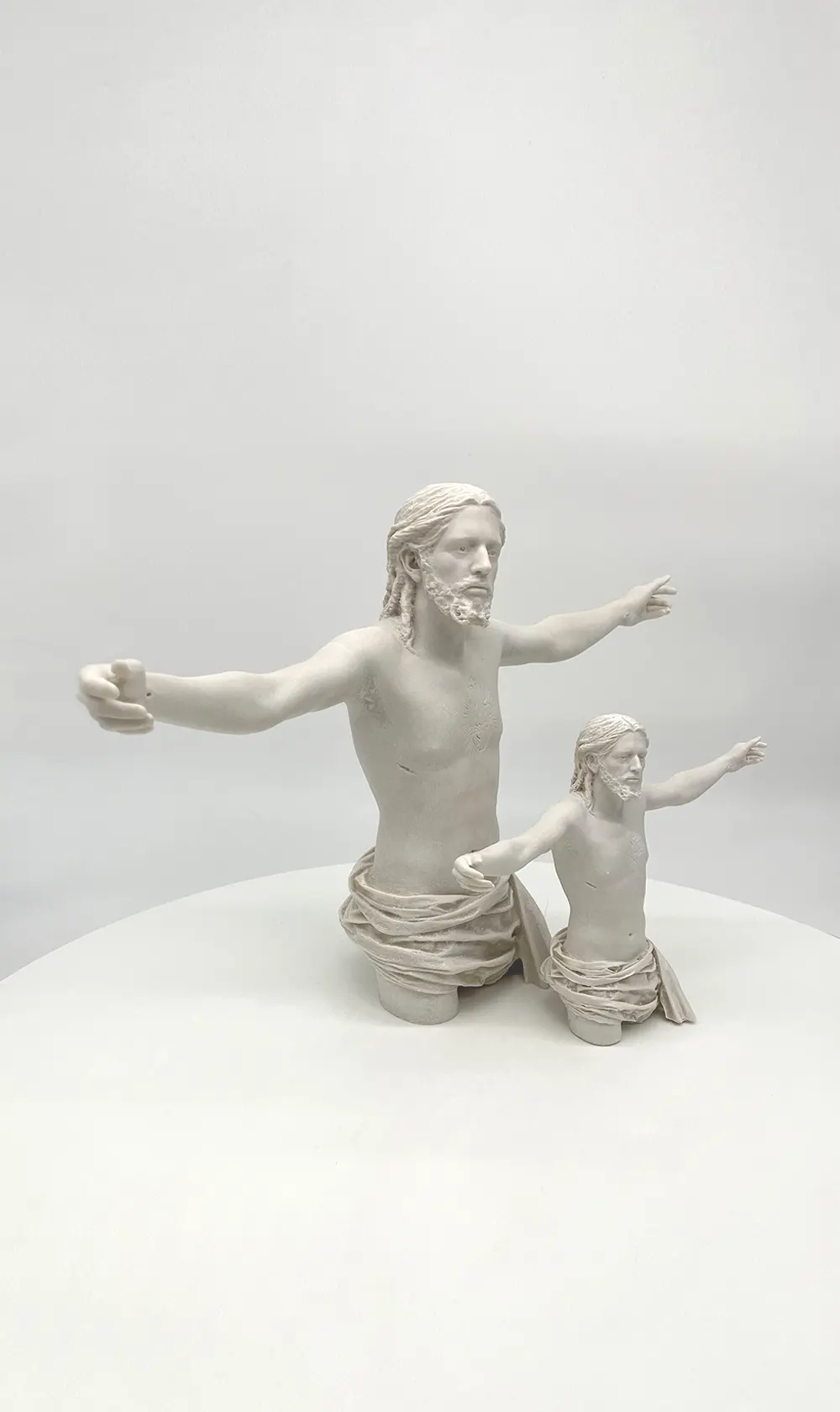
The altar and the ambo are made of braided oak strips. On the altar is inserted the Tau Cross, processional, of the same wood, but gilded with gold leaf on the top and with a Christ in majesty: it is the East. Behind the altar, two hands are contemplated in a photographic mural from the Salpetriere Hospital in Paris. It is the encounter, thewelcome of the Father of Mercy .
It descendswith each one of us. It is a visualization of the Eucharistic mystery, sacramental mystagogy. This mural makes the space a place of lightness, serene and intense. It transports us to another scale.
Santa Maria de la Paz wall and sculpture
In front of the altar is the ambo, where the WORD OF GOD speaks to us. On the wall cloth behind the ambo is the image of a constellation of birds, which praise God in the cosmic liturgy and represent the breath of the Holy Spirit, the work of photographer David Jimenez.
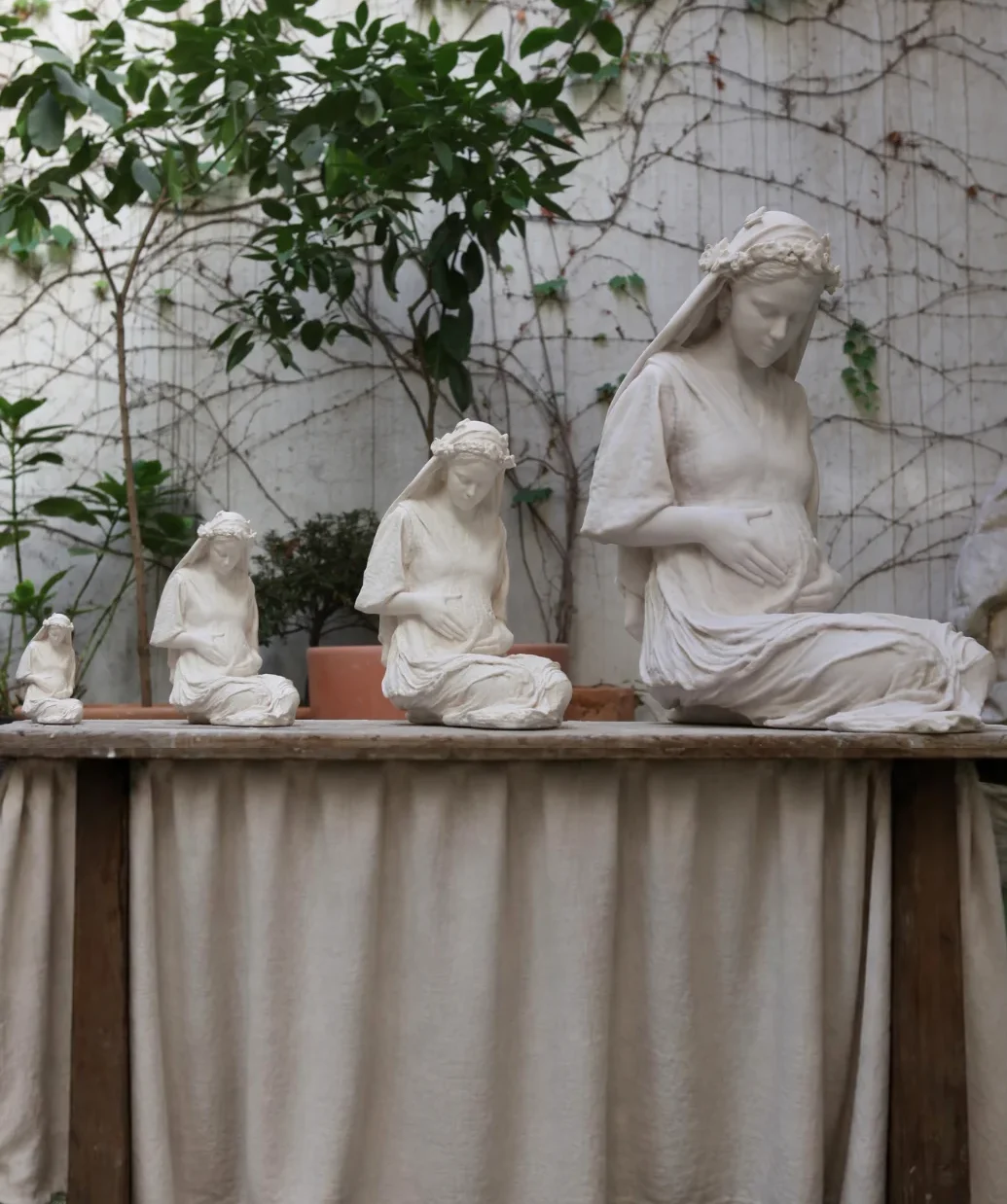
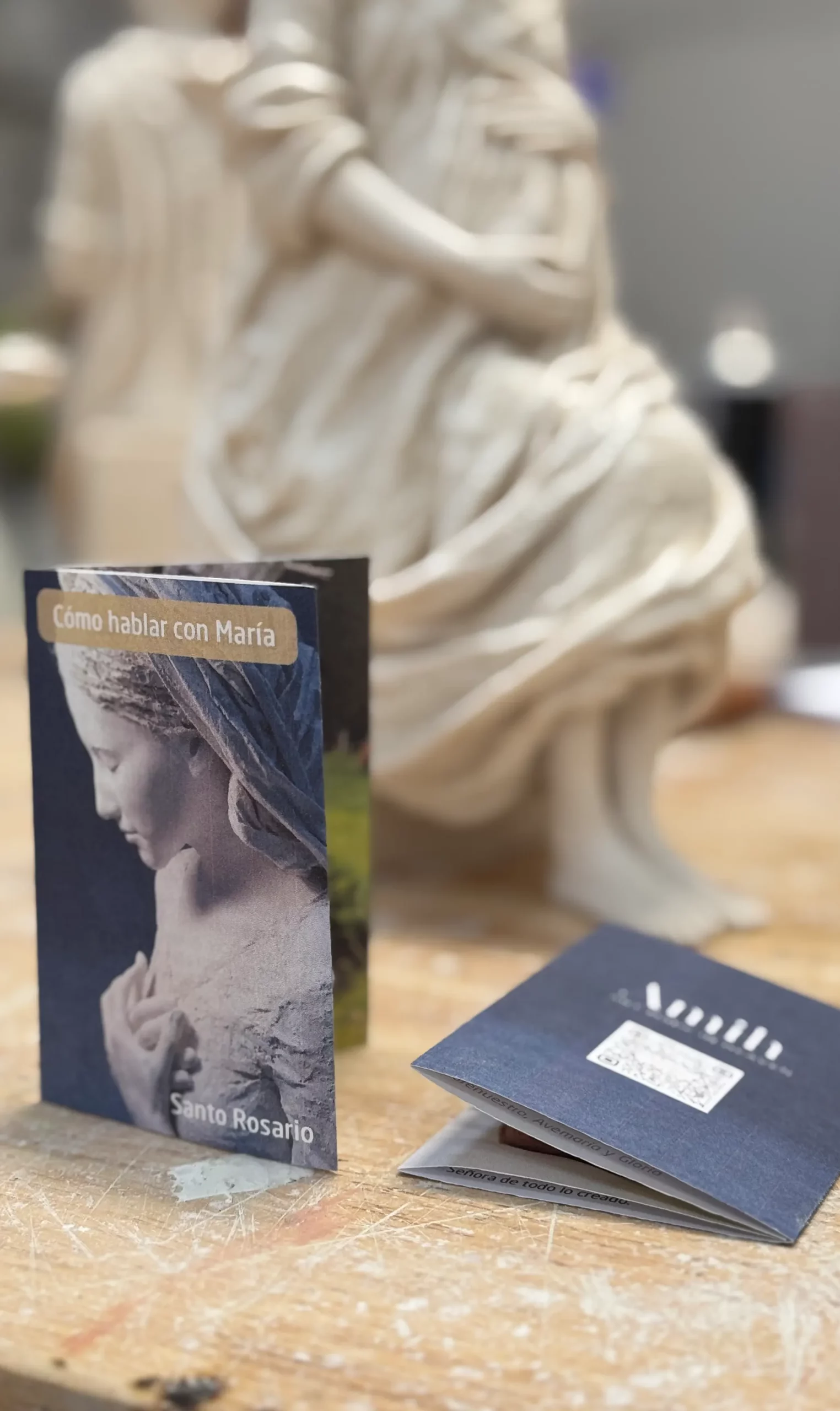
Thus we observe how on one of the sides of the ashlar, seated, at the height of the altar is the sculptural image and tabernacle of Santa Maria de la Paz: pregnant with God becomes the first tabernacle in history, temple of the Incarnate Word.
In this way, the real presence and the image of worship are integrated in a natural but differentiated way. Mary, recollected in prayer, awakens in all who contemplate her the longing for the state of grace and peace of the first communion. And so she invites us to join the communion of the Church.
Via Lucis, Way of the Cross
In addition, on the side walls, on both sides of the chapel, the 14 stations of the Stations of the Cross are located on the right and another 14 stations of the Via Lucis on the left. It is a continuous stained glass window. The aim is to represent the mystery of the Cross in its double aspect: as a way of pain and a way of light and hope.
The Via Crucis is represented by a work of Mateo Maté. This work shows the austere part of the painting, represented by the wooden frame in the shape of a cross. It is precisely in the beauty of the painting where the author finds the other hidden face, always present: the cross.
Christ is also defined in Scripture as "the most beautiful of men" and "in whom there is no beauty to please". In this way the painting reflects the tradition of the Arma Cristi.
There we find the wooden cross, the holy linens, the nails, the wedges that pierce the side and implicitly the tongs and the hammer.
The Stations of the Cross are represented by a photographic sequence of hands, in black and white, which dialogues with the main mural and announces each of Christ's steps on Calvary. The Via Lucis is a work of the photographer Alejandro Marote.
Therefore, they represent the 14 crosses full of light and color, made from superimpositions of photographs of trees. Thus the Cross is shown as the Tree of Life and Christ's throne of triumph.
Finally we talk about the realization of the sacred vessels of the same design from solid blocks of stainless steel, turned and polished industrially. The simplicity and elegance of the design as a representation of love and reverence for the mystery. Simple dignity rather than ostentation.
The design of the sacred vessels has been the result of the teamwork of artists Juan Machuchelli, Miguel Angel Serrano and Javier Viver.


