



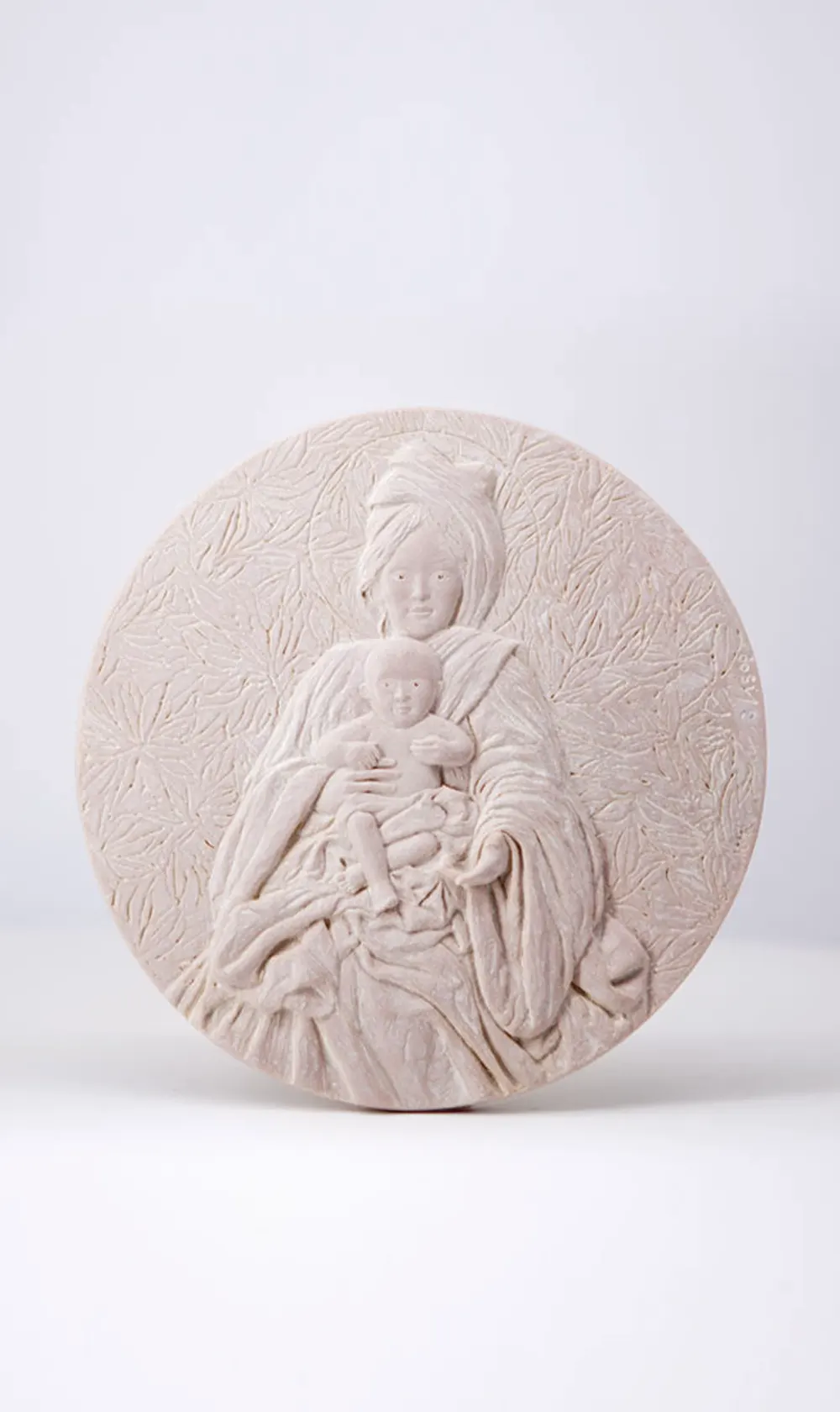
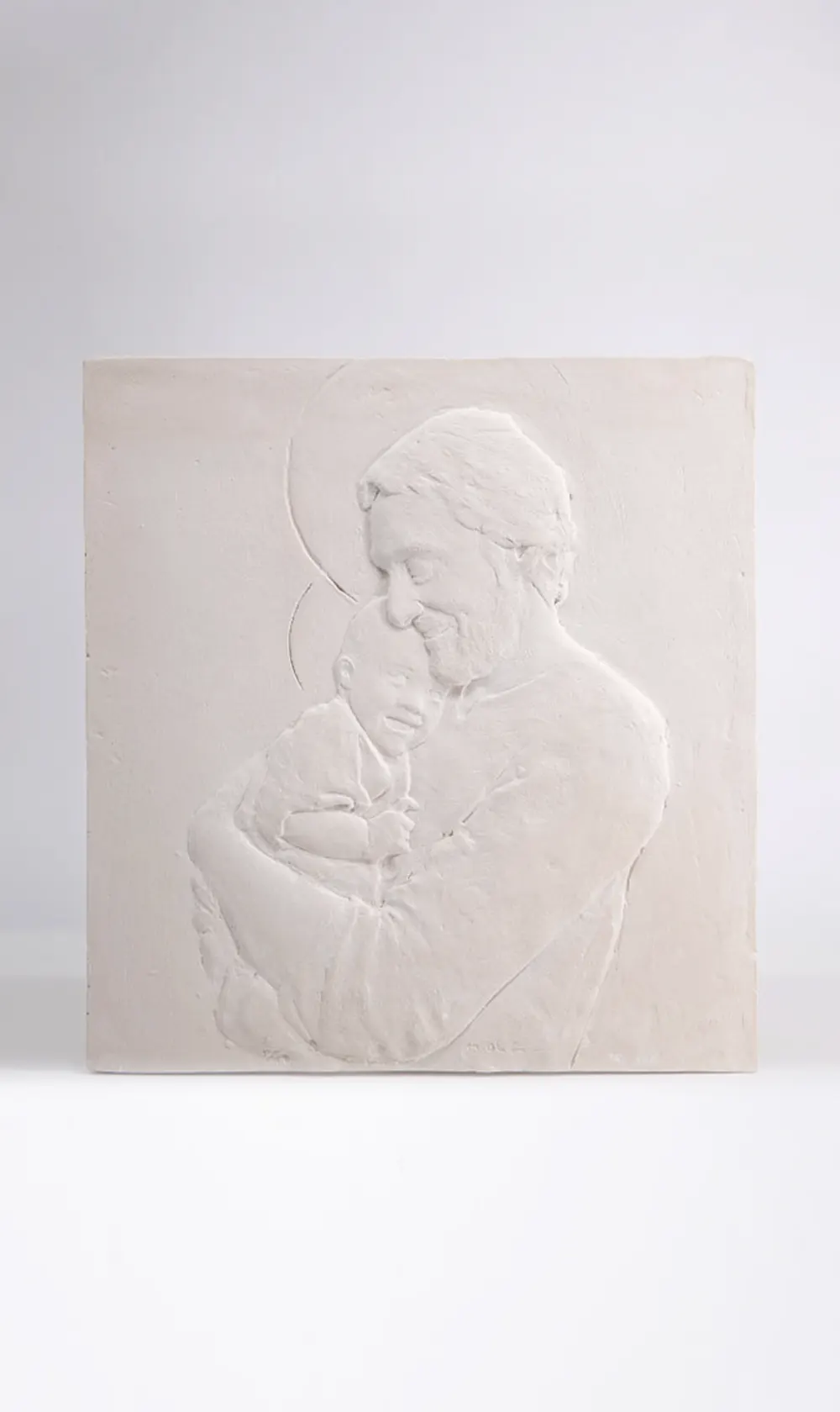
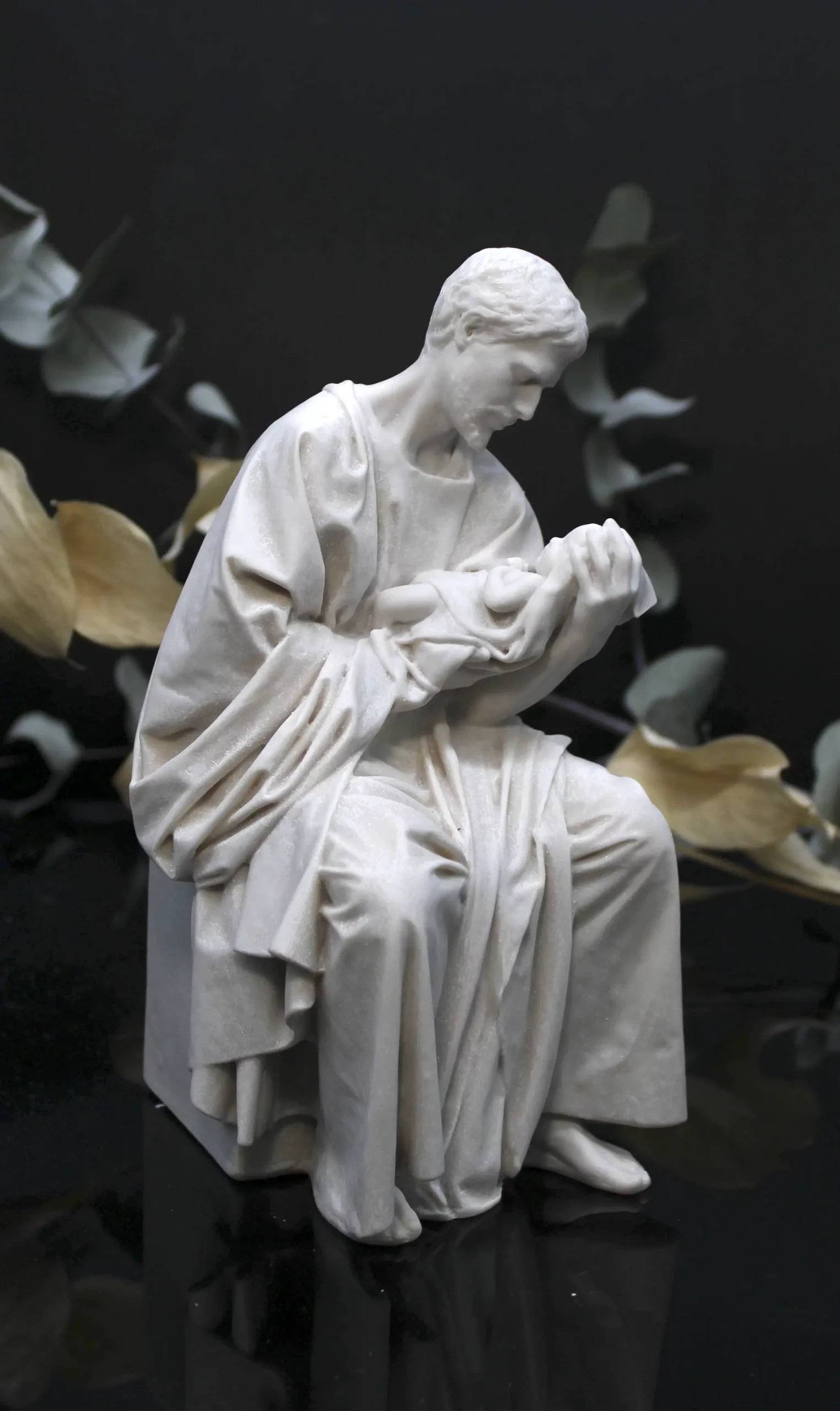

Thus the Hail Mary was composed as the simple prayer that brings together the great affirmations that God, those who knew her personally and believers in general make about the Virgin Mother. Now and at the hour of our death. Yes, just those two moments to which each person must be especially attentive: the present and the earthly destiny from which no one can escape and for which we all have to prepare ourselves. Because there is a certain intuition of faith: Our Lady can and wants to accompany us especially in times of pain and uncertainty. These can be an opportunity to return to the essentials of life, focusing on the present and projecting our existence with a sense of eternity. May our song to Mary, both today and at the end of our days, be united to the same song she sang: My soul magnifies the Lord... for he who can do great things in me (Luke 1:46-49). The Major Week that we are now beginning is the providential occasion to tune our part in this symphony that unites heaven and earth.
Prayer beyond the epidemic
The Black Death, which devastated all of Europe and wiped out a third of its population, led the faithful to cry out to the Mother of Our Lord for protection at a time when the present time and death were almost one." Fulton J. Sheen
Cristian Diaz Yepes. LA RAZÓN 4-04-2020
An epidemic in the past left us with one of the most heartfelt Christian prayers: the Hail Mary. What does this teach us and how can we draw its greatest fruit today?
Just as Christ taught in his public life the prayer of the children of God, the Our Father, so too the Holy Spirit has taught us through time the prayer to the one he left us as our Mother, the Blessed Virgin. And he has done it like all his actions in history: through a growth in understanding that draws us ever more deeply into his mysteries. For Christ himself said: the Holy Spirit will guide you into the fullness of truth (John 16:13). Truth that has already been fully given in himself, in his death and resurrection. Now it is we who must grow in the acceptance and response we give him. Within this great process, God shows us how she who is his mother and also ours accompanies us.
The steps that the Holy Spirit has been marking for us to invoke Our Lady are like the three movements of a concert that sings the praise of God and his work in those whom he loves. The first, which repeats the Angel's salutation, expresses what he himself says of the Virgin: Rejoice, full of grace, the Lord is with you (Luke 1:28). Here there is both a greeting and a denomination and the confirmation of a truth. A greeting of joy and fulfillment of all human longings. Then a unique qualifier that highlights Mary as the first fruits of the new humanity: she is filled with the presence and action of the Most High.
God's song about Mary is followed by the second movement of the concert: what her contemporaries say about her. Blessed art thou among women and blessed is the fruit of thy womb (Luke 1:43). These words of her cousin Elizabeth on receiving her visitation express the amazement and gratitude of those who recognize in the maiden of Nazareth a unique presence on earth. Distinction that the choir of her children will continue to pay her through the ages.
Finally, the third movement of the concerto: a supplication raised by these children at a time of universal terror and pain. For it was in the middle of the 14th century, when Christians were ravaged by the Black Death, that they added to the first two parts of the Hail Mary the final supplication with which we still pray it today. First of all, they confirmed the first Marian dogma, from the year 431. Mary, as mother of Jesus Christ, is entirely the Mother of God. To this recognition is added the confession of our own need: pray for us sinners now and at the hour of our death.