
Learning to observe to make the invisible visible
ALPHA AND OMEGA - Javier Viver - Madrid 14/07/2022

If I had to choose a moment, perhaps I would choose the one in which communion was palpable.

Paz Sánchez Terán is a second year student of Law and Business Administration at Comillas Pontifical University. She arrived at the monastery of Guadalupe a year ago as one of the hundred young artists who participated in the I Observatory of the Invisible. What she experienced there changed her life trajectory. She decided to do something so that other young people could live the experience she had had. As a singer-songwriter, she organized a concert and, with the proceeds, has offered a scholarship to five young people in the observatory, which will be held again this year in the Extremadura monastery during the last week of July. In just one year, Paz has gone from being a student to becoming a true patron of new young people who, like her, are curious to explore the invisible through art.
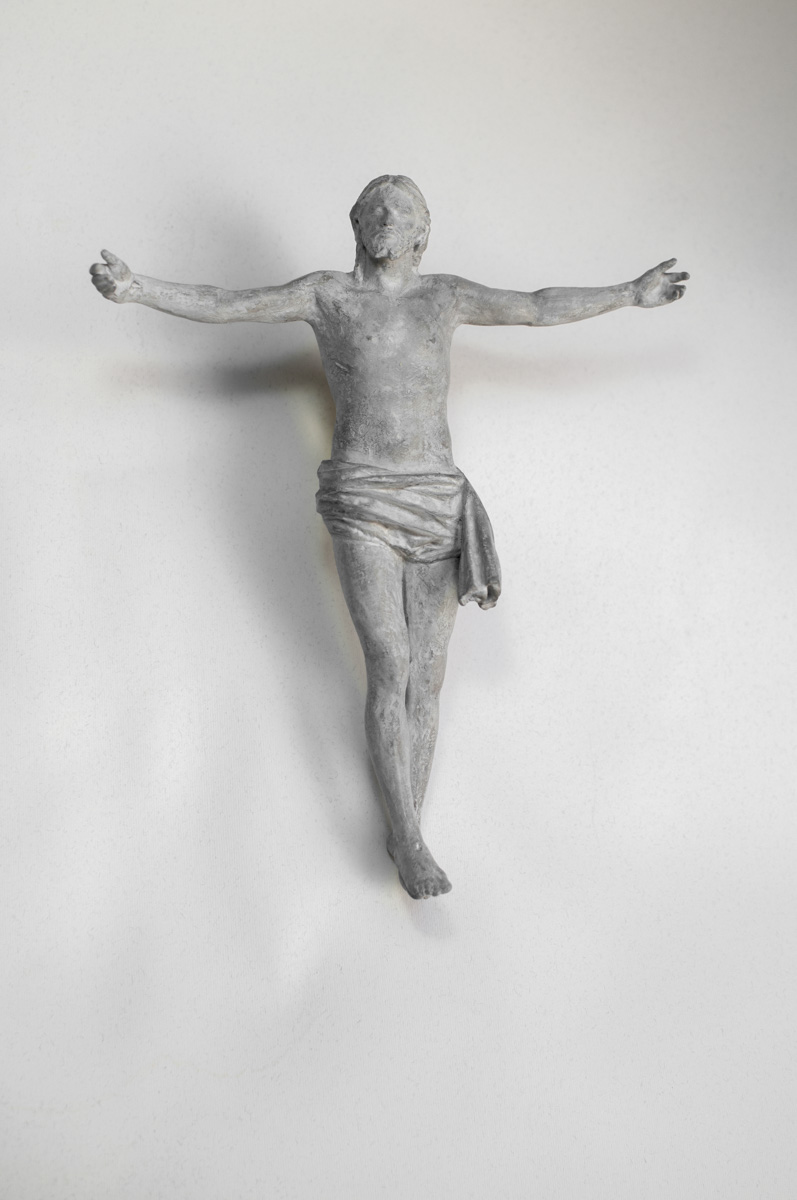
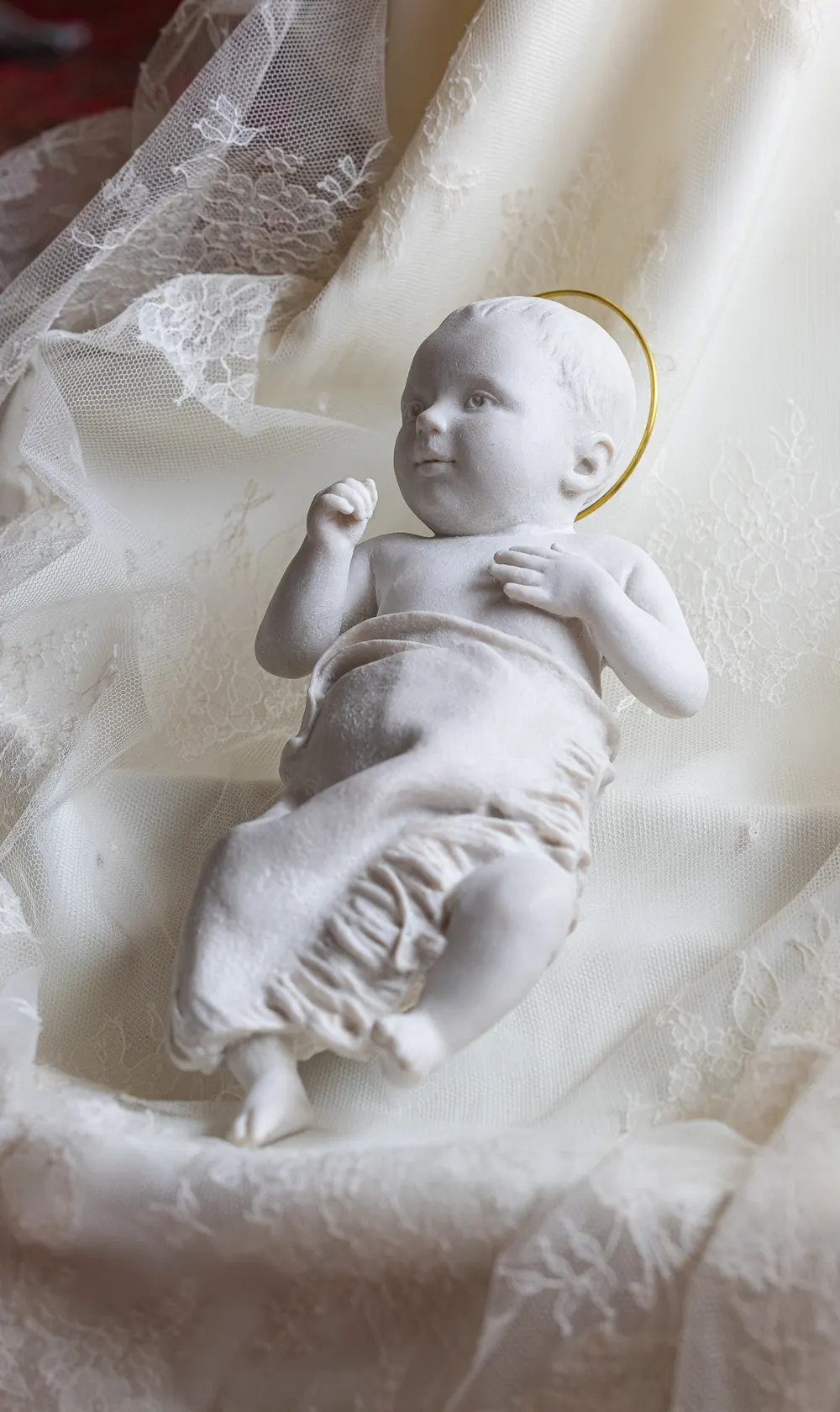
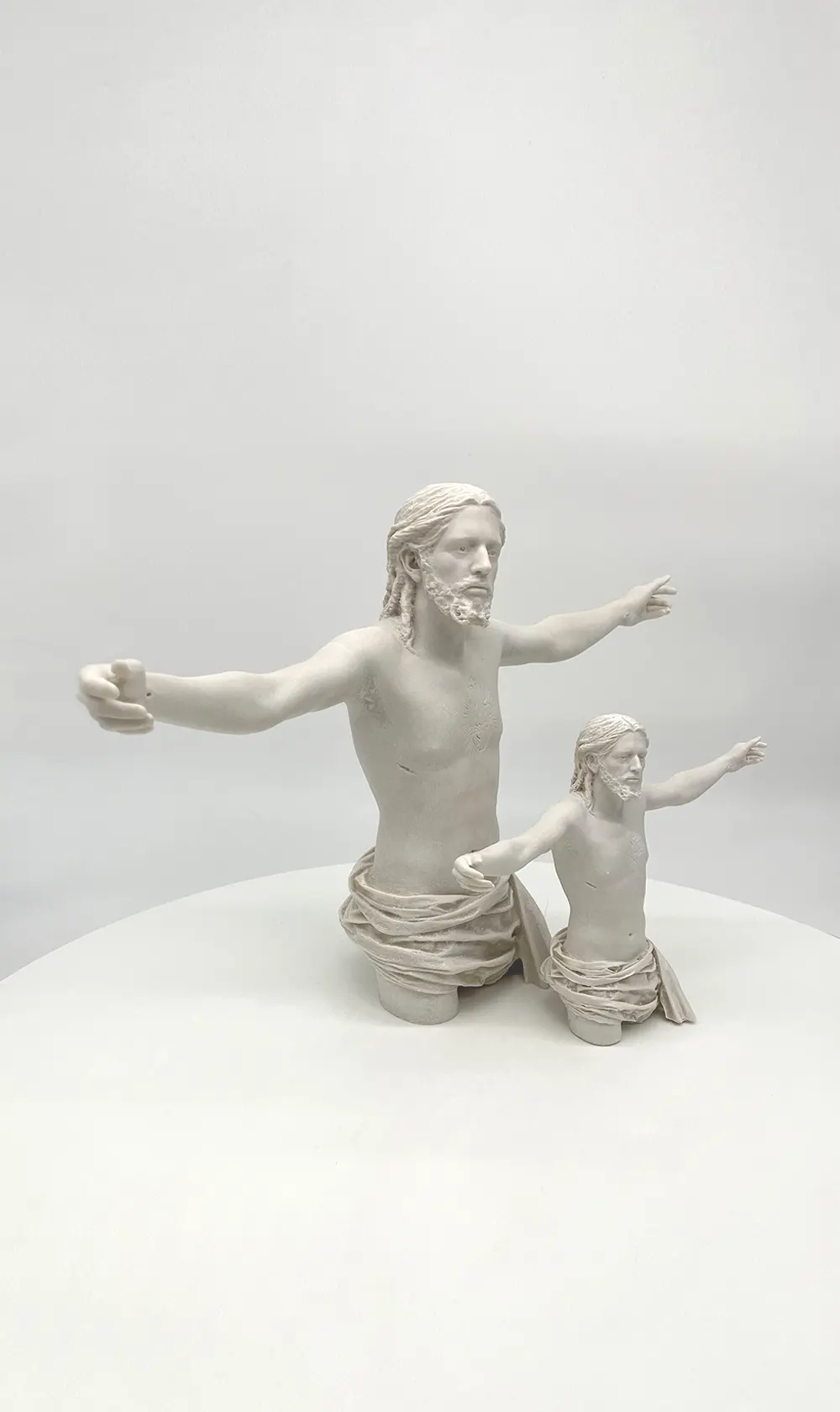
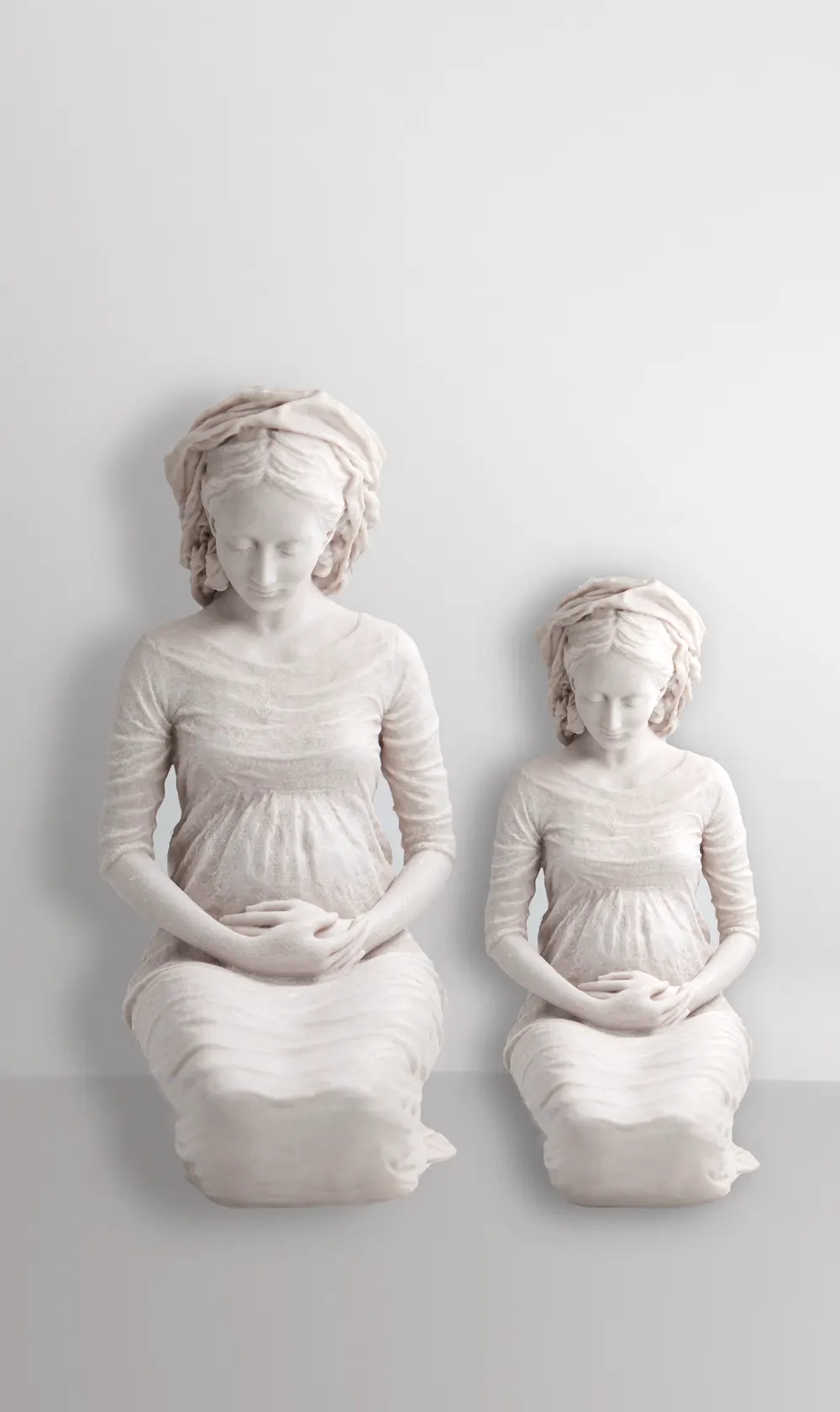
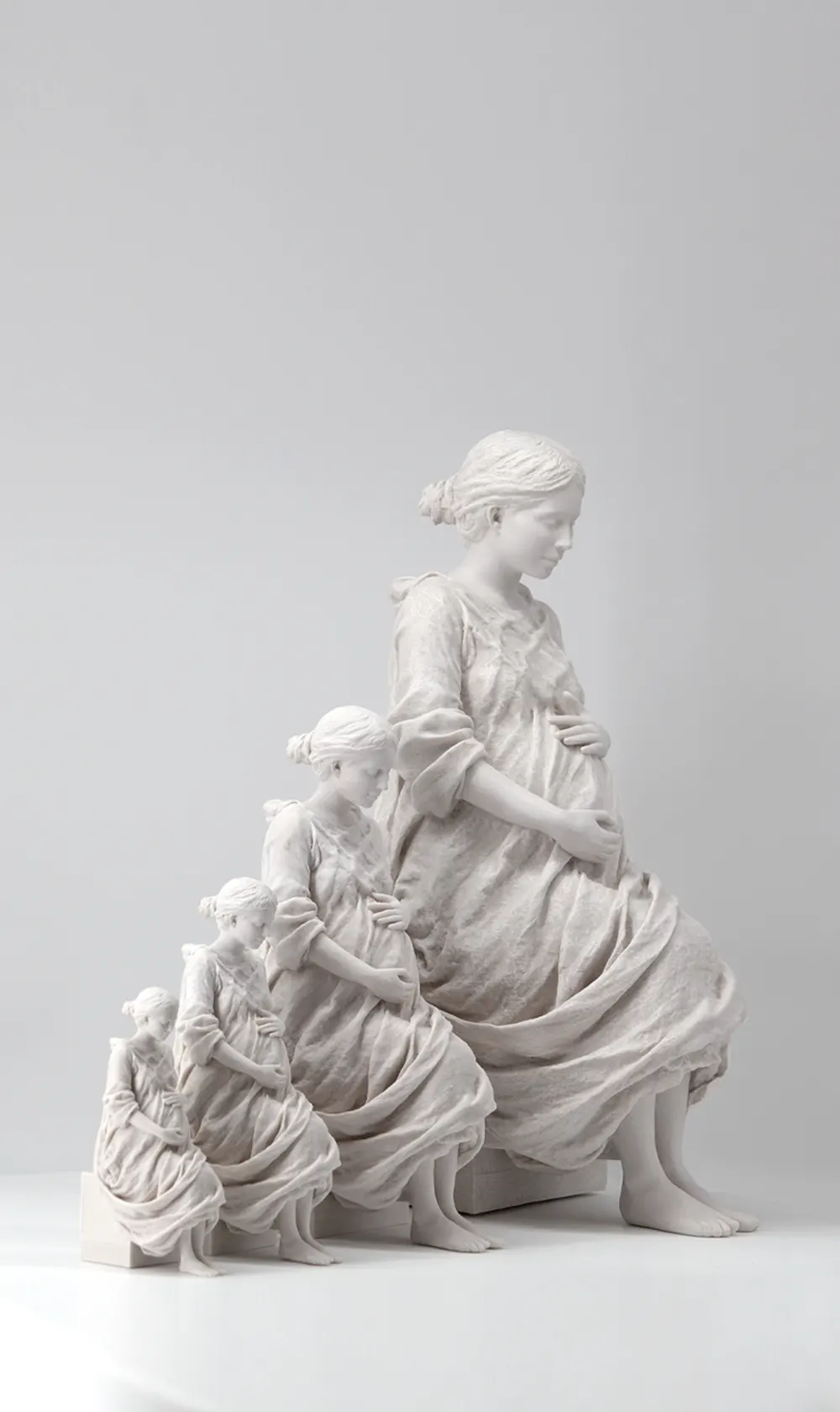
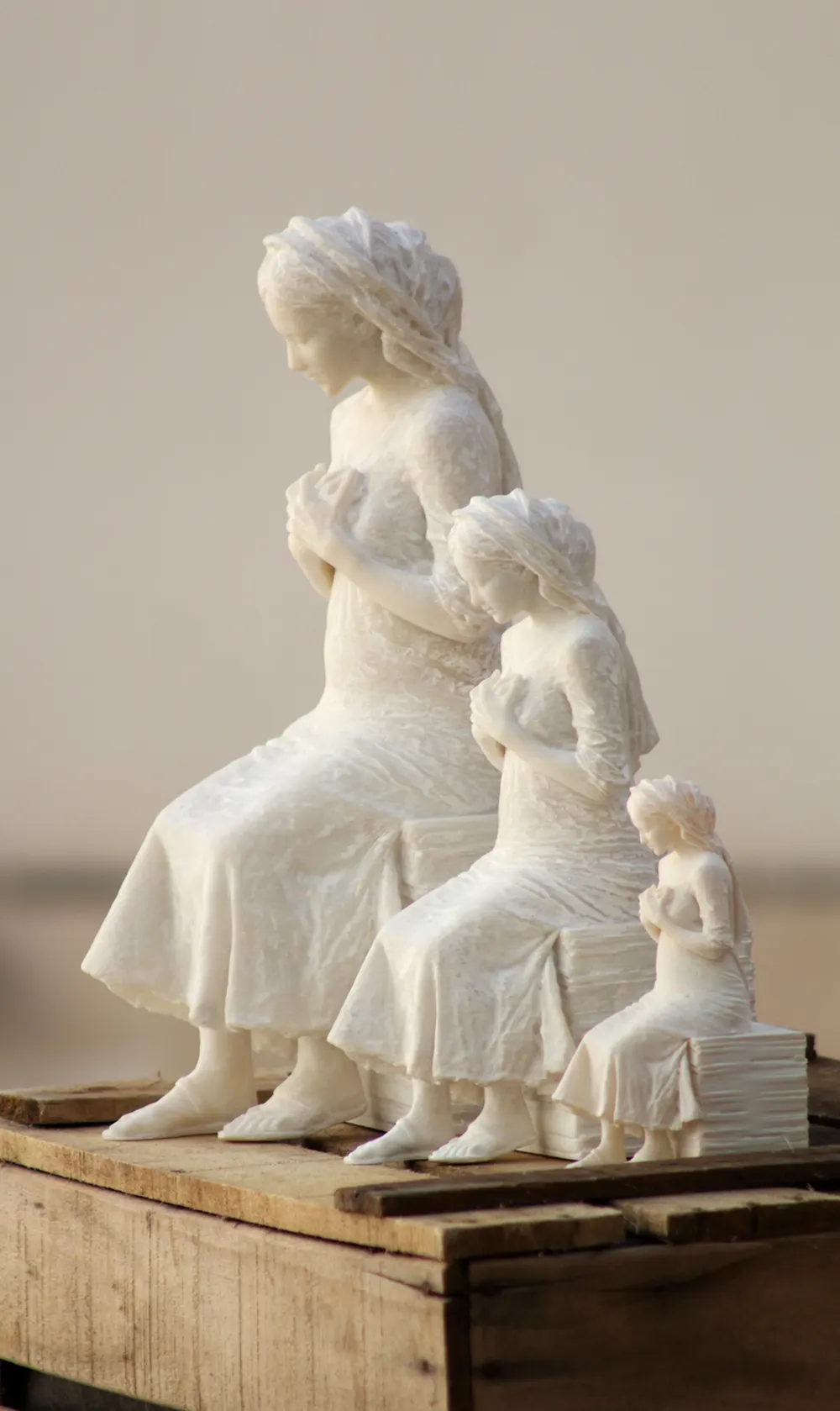
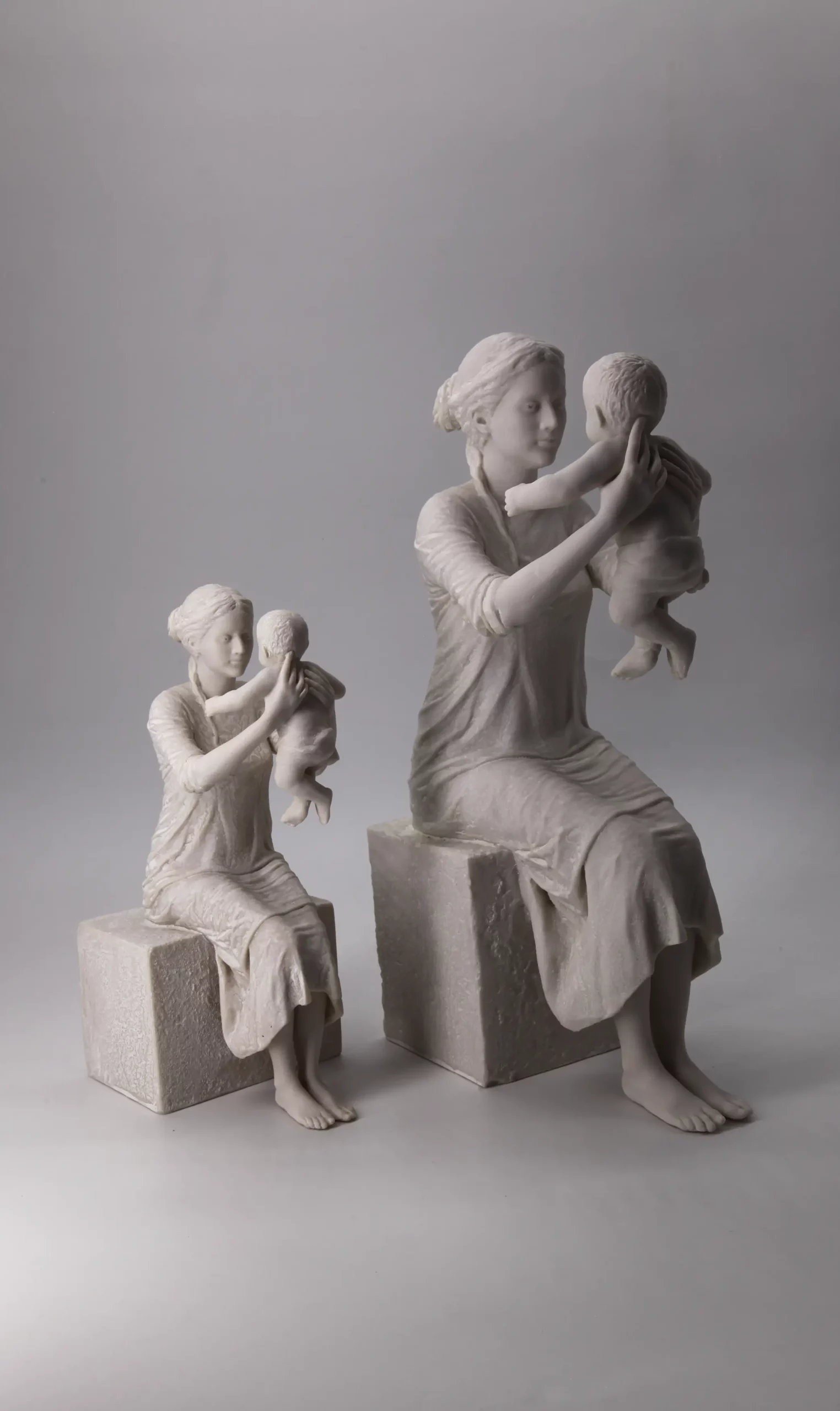
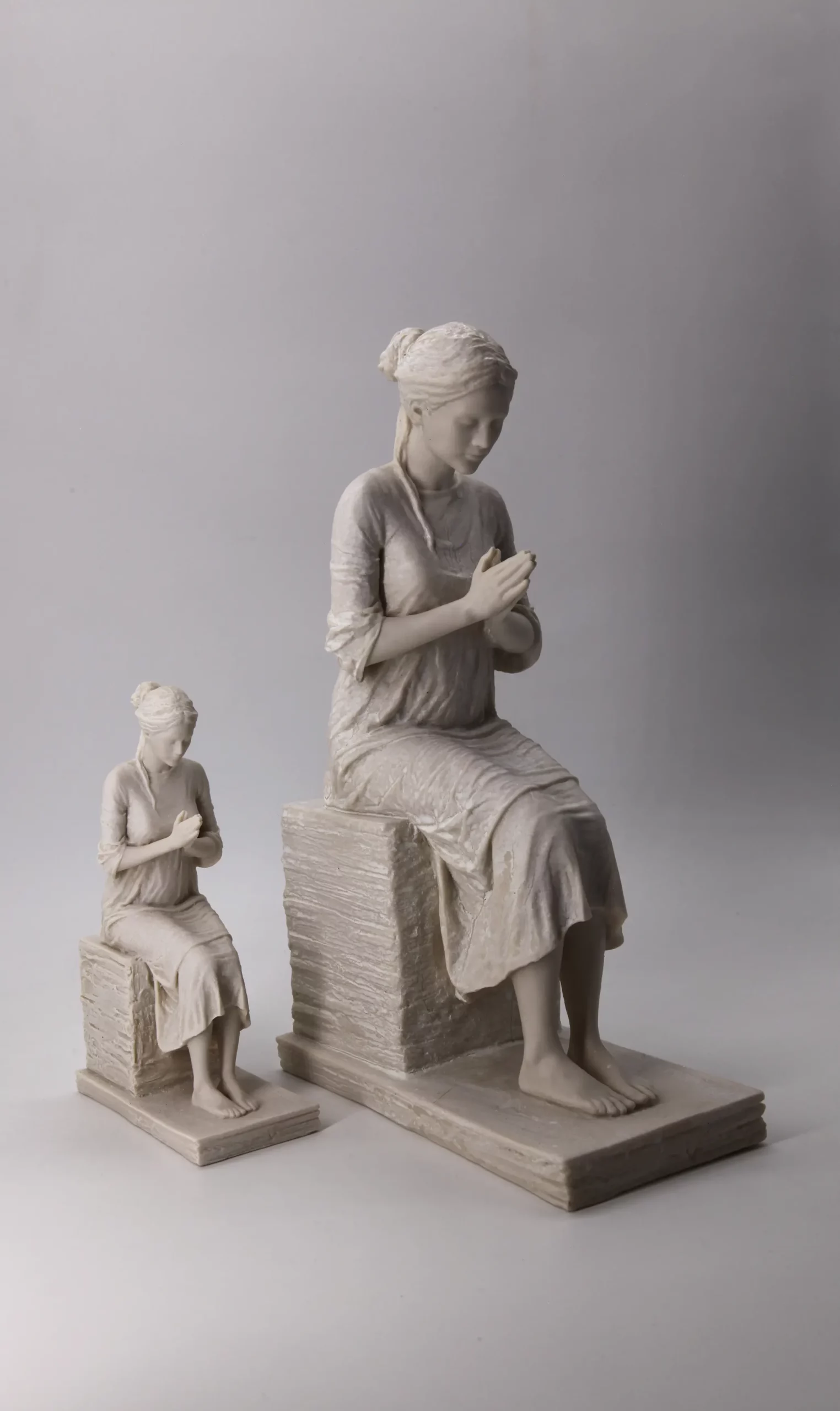
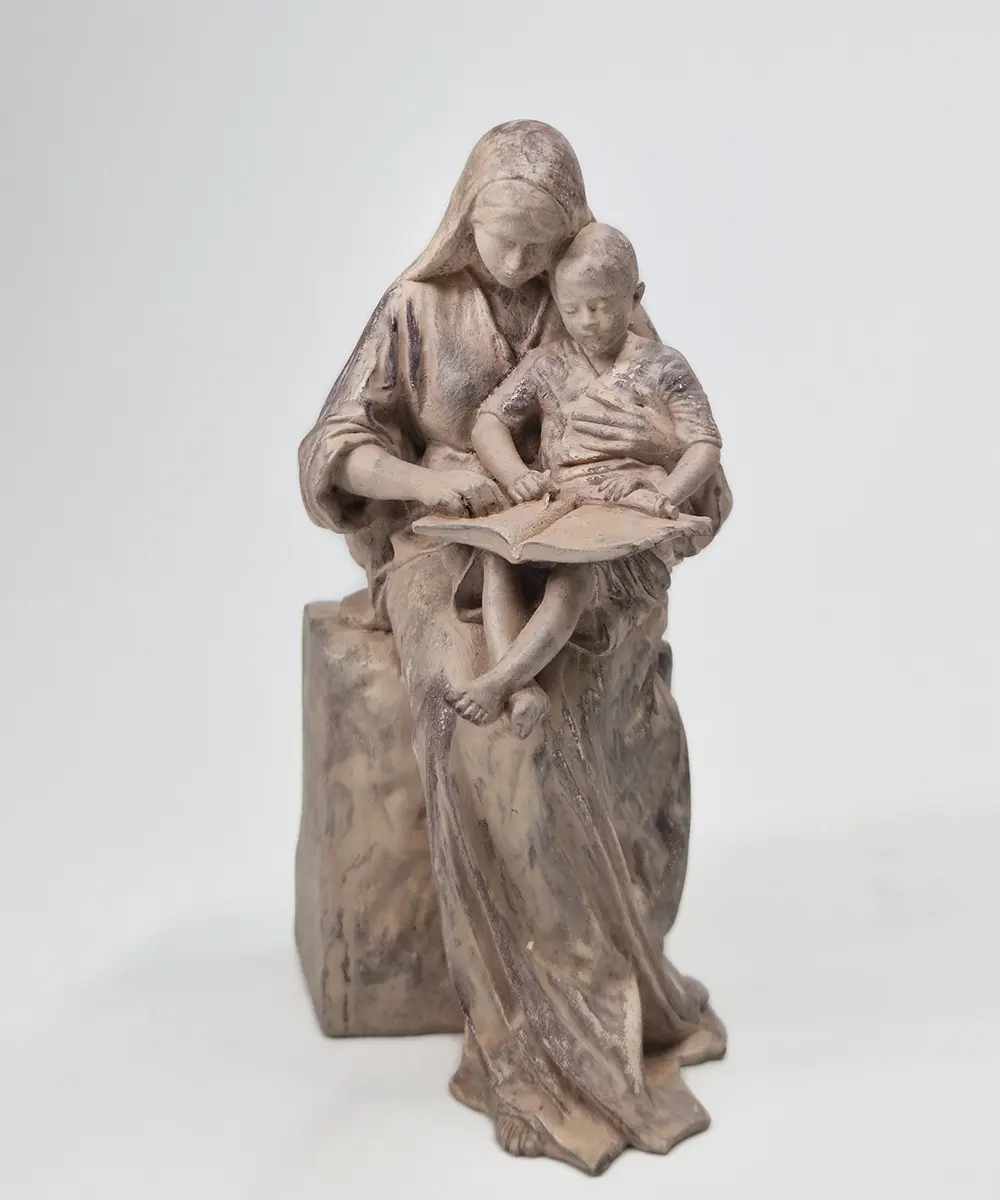
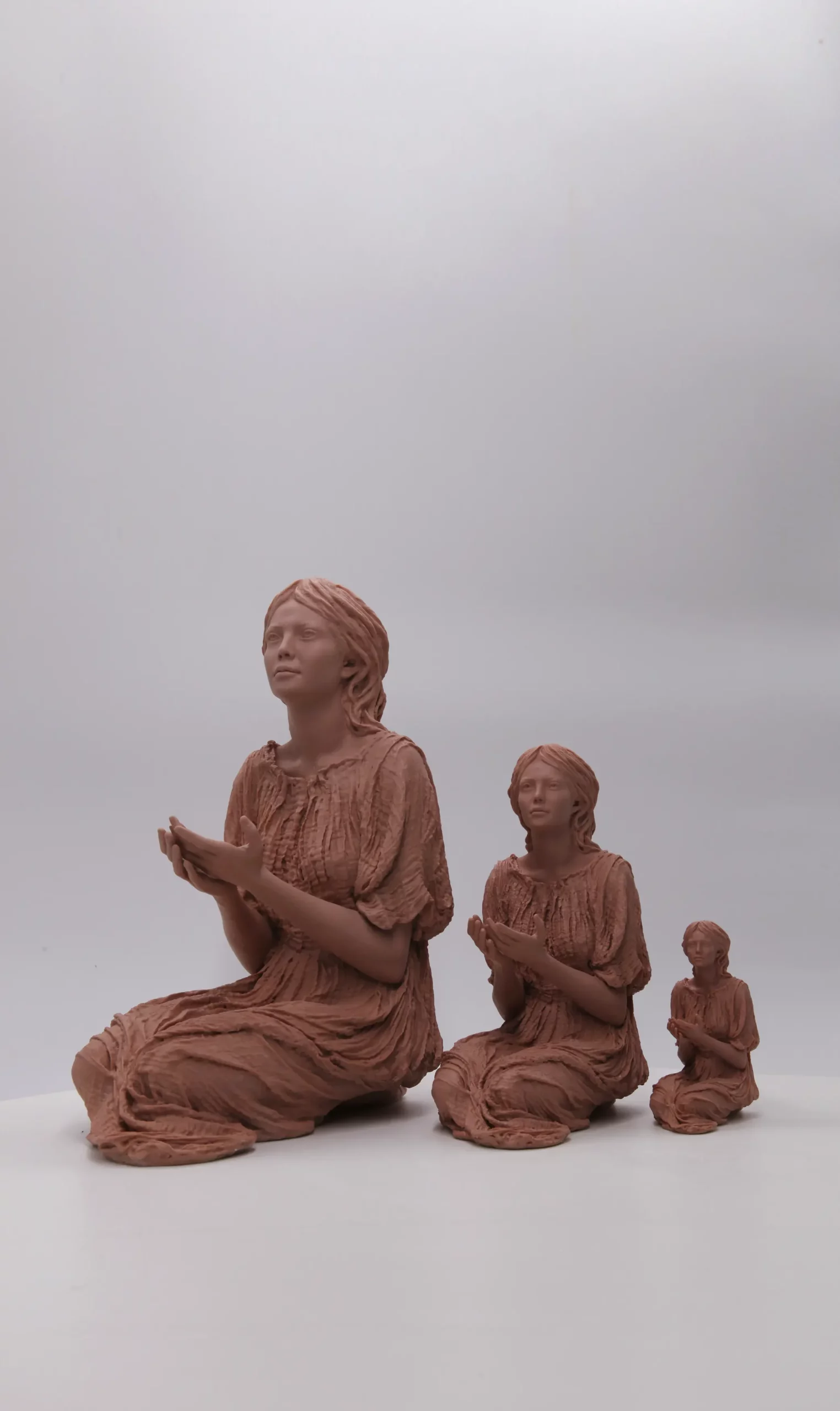
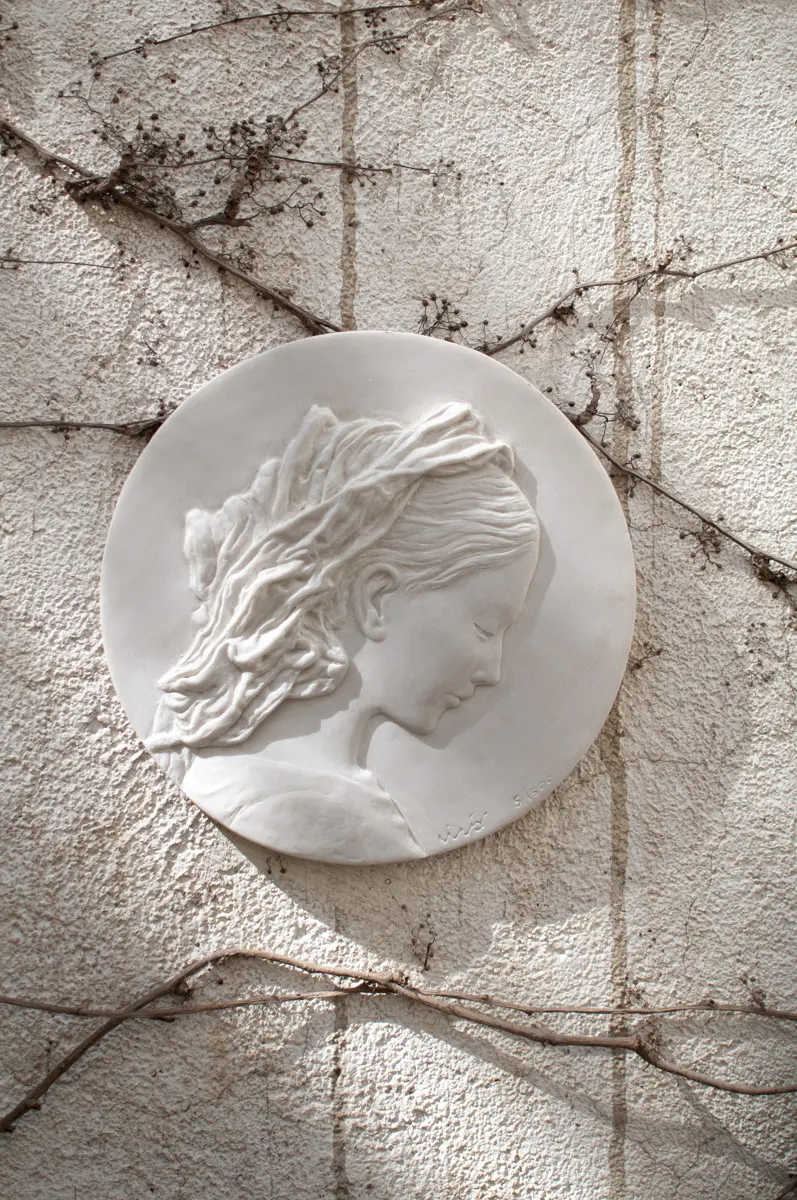
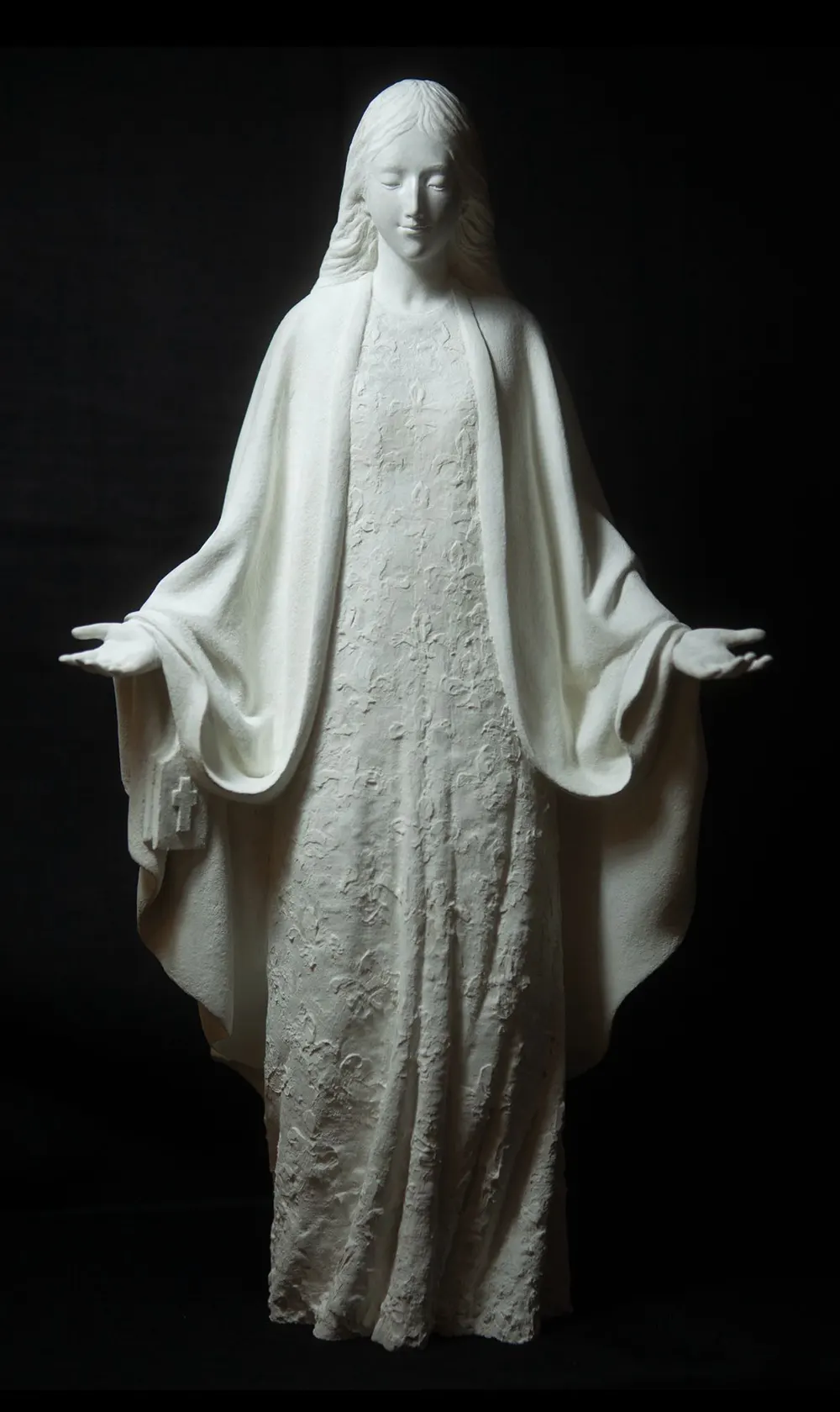
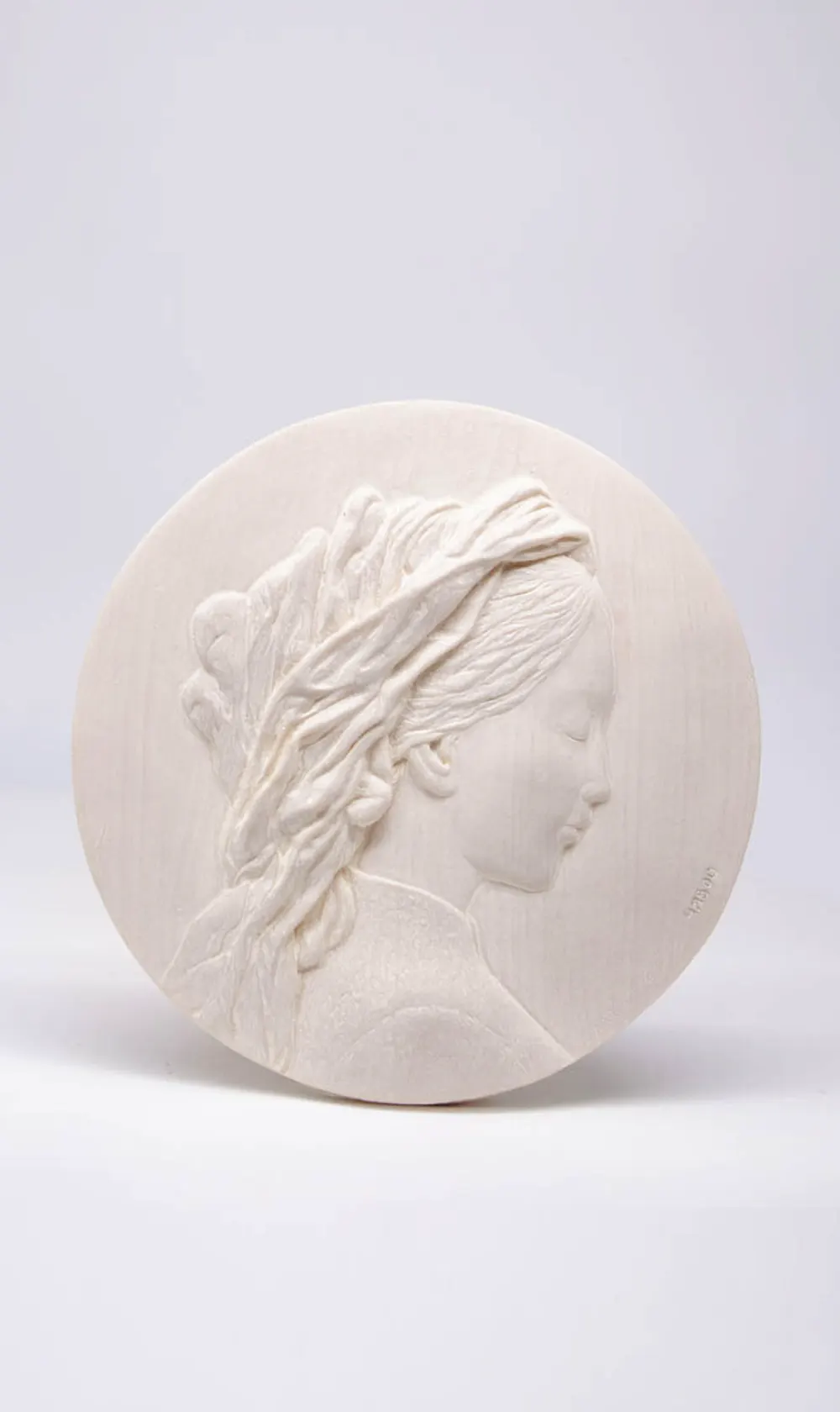
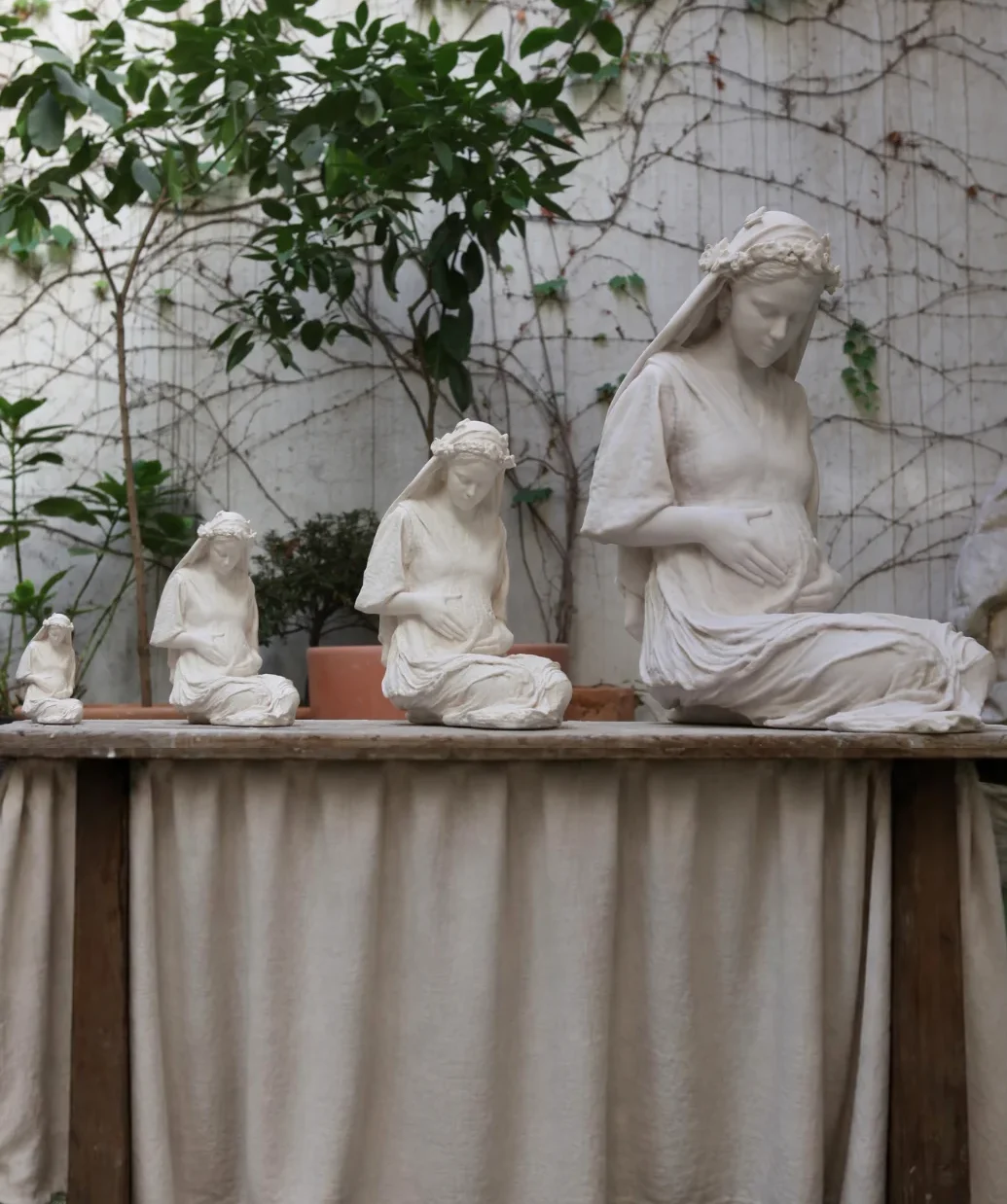
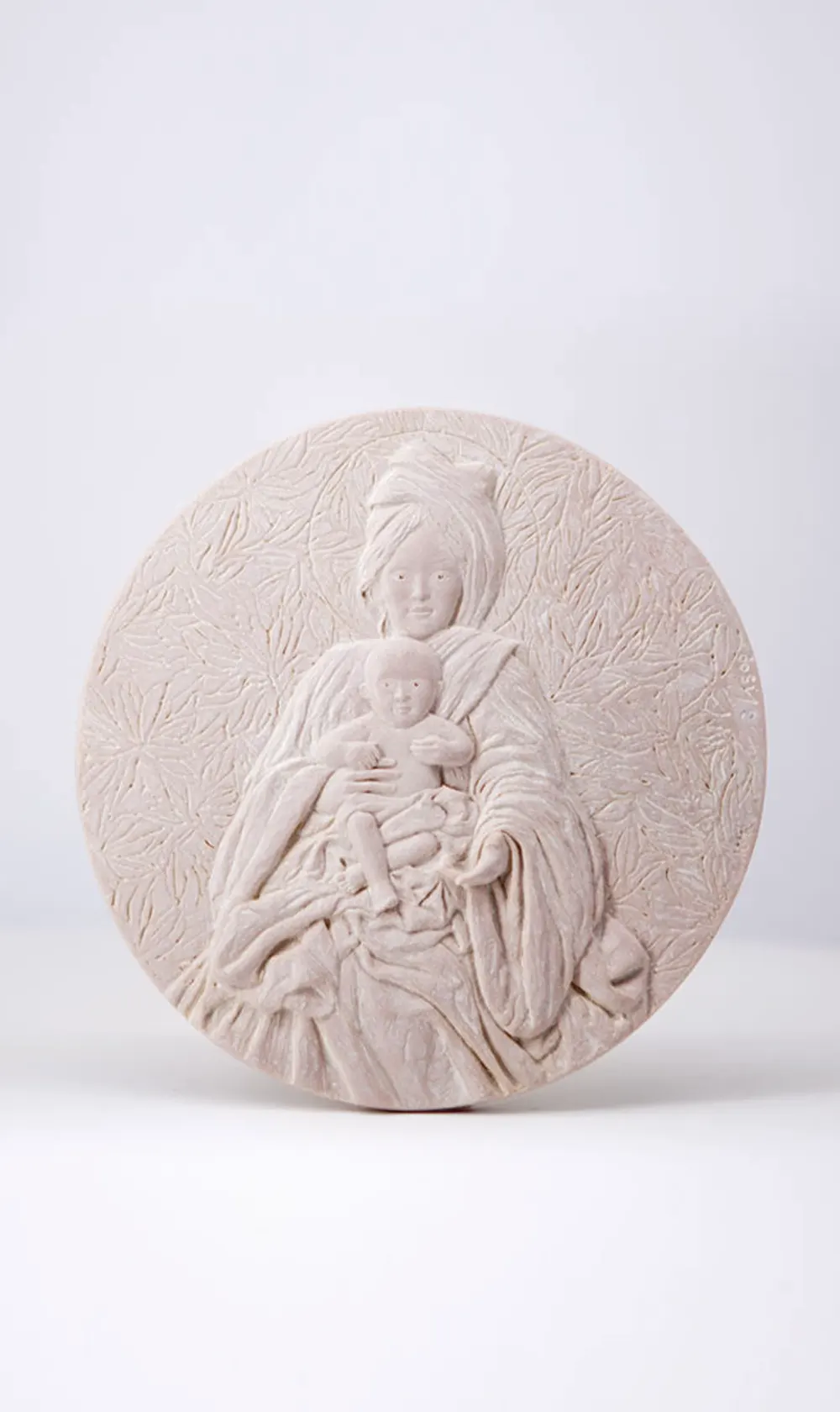
It is just one of the many fruits that were collected in the I Observatory of the Invisible and that I, like the rest of the trustees of the Fundación Vía del Arte, intend to multiply in the second edition that this year will have seven workshops in painting, music, writing, theater, photography, sculpture and bookbinding. This school of art and spirituality allows a hundred young people to grow as artists under the guidance of renowned teachers in their different disciplines, such as the musician Ignacio Yepes; the photographers Eduardo and Sema D'Acosta; the painter Elena Goñi; the writer Izara Batres; actor Joaquín Notario; sculptor Pedro Quesada; embroiderer Yolanda Andrés, and bookbinder Natalia García Vilas, who, while sharing their creative experiences, show their art and live together for a week in the monastery's guest house, where surprises never cease to happen.
In the first edition we had the incredible gift of the presence of Antonio López, who enjoyed sharing workshops, coffee and lunch with the students. The painter confessed that the Observatory of the Invisible had been for him "oxygen, seeing younger people working, and being able to exchange ideas, concepts and aspects of their work". He enjoyed the experience so much that he gratefully accepted to be named honorary patron of the foundation that promotes these meetings.
The conversations I was able to share with the students still resonate in me, months later. One morning I was walking through the Gothic cloister of the hospice and I heard a comment from the arches of the upper floor that describes very well the general feeling during those days: "Can you imagine what would happen if the world were like the Observatory of the Invisible? That was the experience that many of us who participated had, that of being in a small paradise on earth where beauty and creation were possible, and where no one was excluded for their way of being or thinking, but appreciated for their uniqueness and for sharing the gift of creation.
On another occasion we were having lunch and another of the participants confessed to me that she was agnostic. I was surprised, because I had seen her praying in the basilica in one of those Masses with a concert that we celebrated and in which the musicians made the liturgy a true manifestation of the Mystery, to the point of becoming visible and audible. I expressed my surprise and he replied that he did not know why, but those moments, early in the day, produced such a state of peace and indescribable grace that he had decided to live them intensely.
The complicity that developed between the different workshops and disciplines in the artistic evenings held after dinner was very interesting. There, different arts converged and were integrated. The students of the poetry workshop, directed by Professor Antonio Barnés, performed a recital entitled "Where is God?" in which, with their own verses and those of famous poets, they tried to answer the question that left all the attendees thinking. They were accompanied by the improvisations, inspired by the poems, of the students of the music workshop taught by the composer and orchestra conductor Ignacio Yepes.
Some of the observatory's students have excelled this year in their disciplines and have been distinguished with awards. This is the case of Luis Meseguer, who finished his degree in Musical Composition this year and was a finalist in the Fernando Rielo 2021 sacred music competition. Also the student Teresa Zurdo, from the poetry workshop, won the Complutense University Prize for Literature 2022 in the narrative category with her work Los elefantes no bailan ballet (Elephants do not dance ballet). A poetry group, RiOculto, has also been formed by the students and the teacher of the poetry workshop and has performed several recitals and collaborated with other initiatives of the observatory's artists. Some students have also joined the choir of the Fundación Vía del Arte. This has only just begun, and in the run-up to the second observatory there is already a desire to dive into the invisible so that each student can find his or her unique way of expressing the ineffable.
If I had to choose a moment, I would choose the one in which communion was palpable. Late in the afternoon, all the participants were able to join their voices in a polyphonic prayer in which St. Paul's Hymn to Charity, set to music by Ignacio Yepes, resounded. During this time, we were all aware that we were participating in something greater than our individual capacities. An eloquent manifestation of the fact that art, above all else, draws us into the Mystery, allowing us to be observers of the invisible.