
Javier Viver: "If art does not generate communion, it will be anything else, but not art".
ONMES CULTURA- Maria José Atienza - July 25, 2022

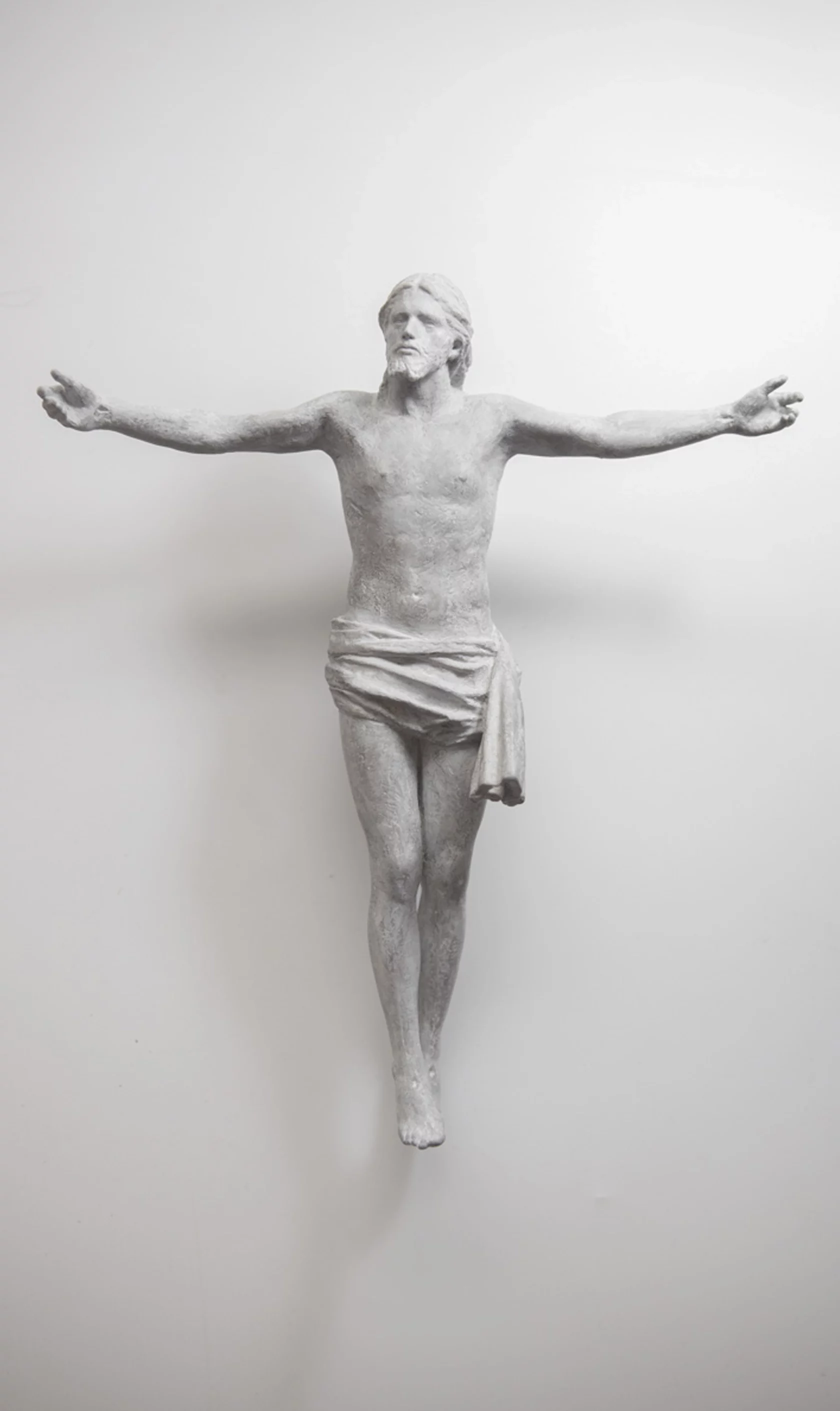
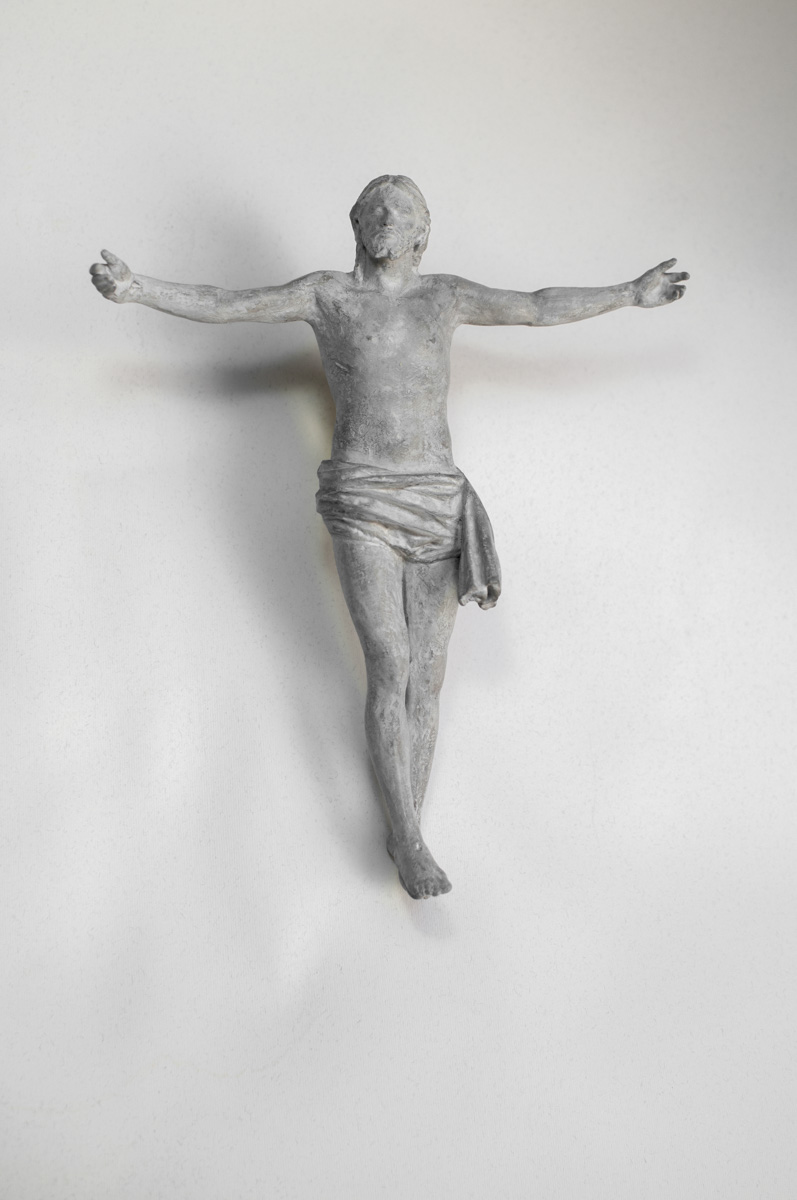
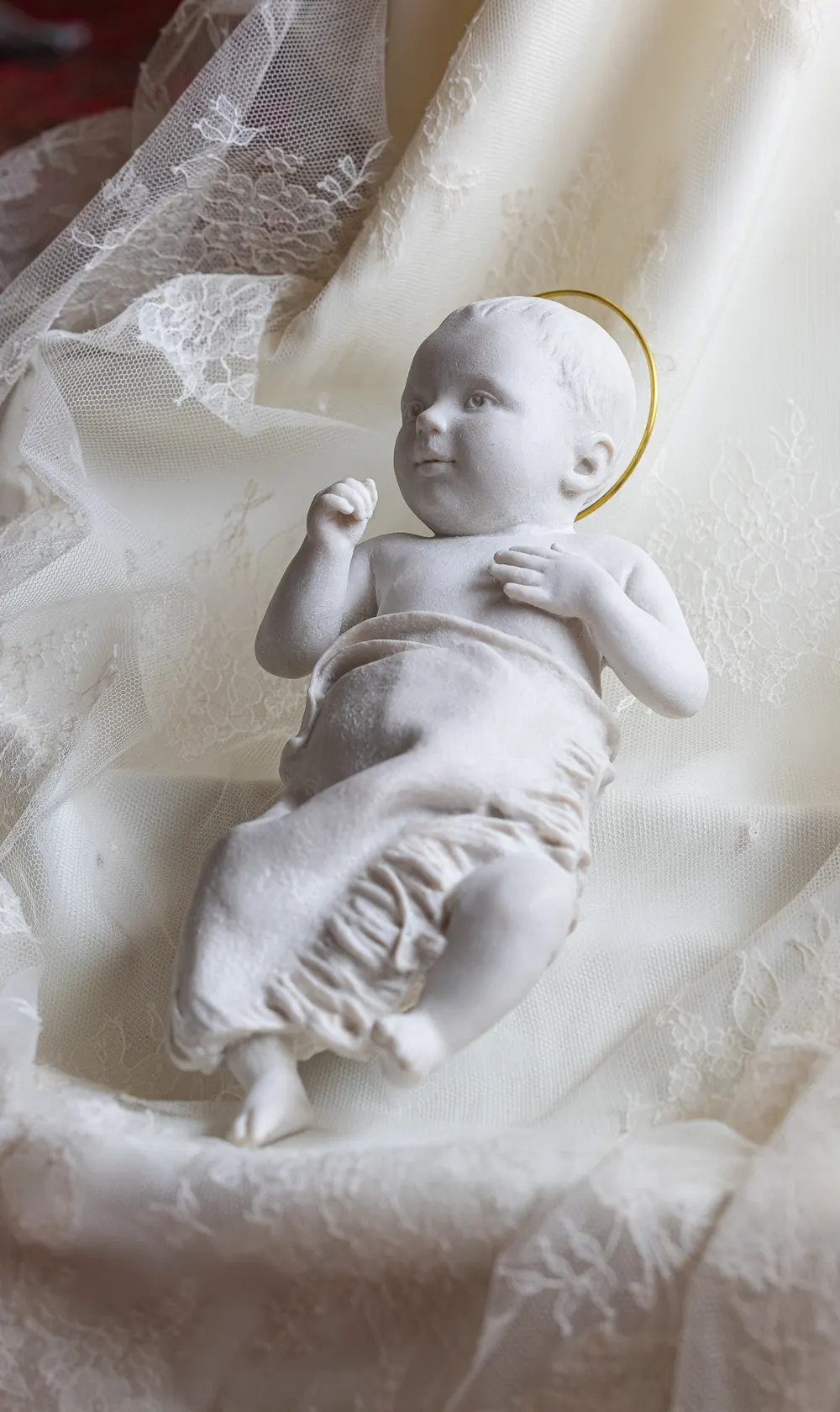
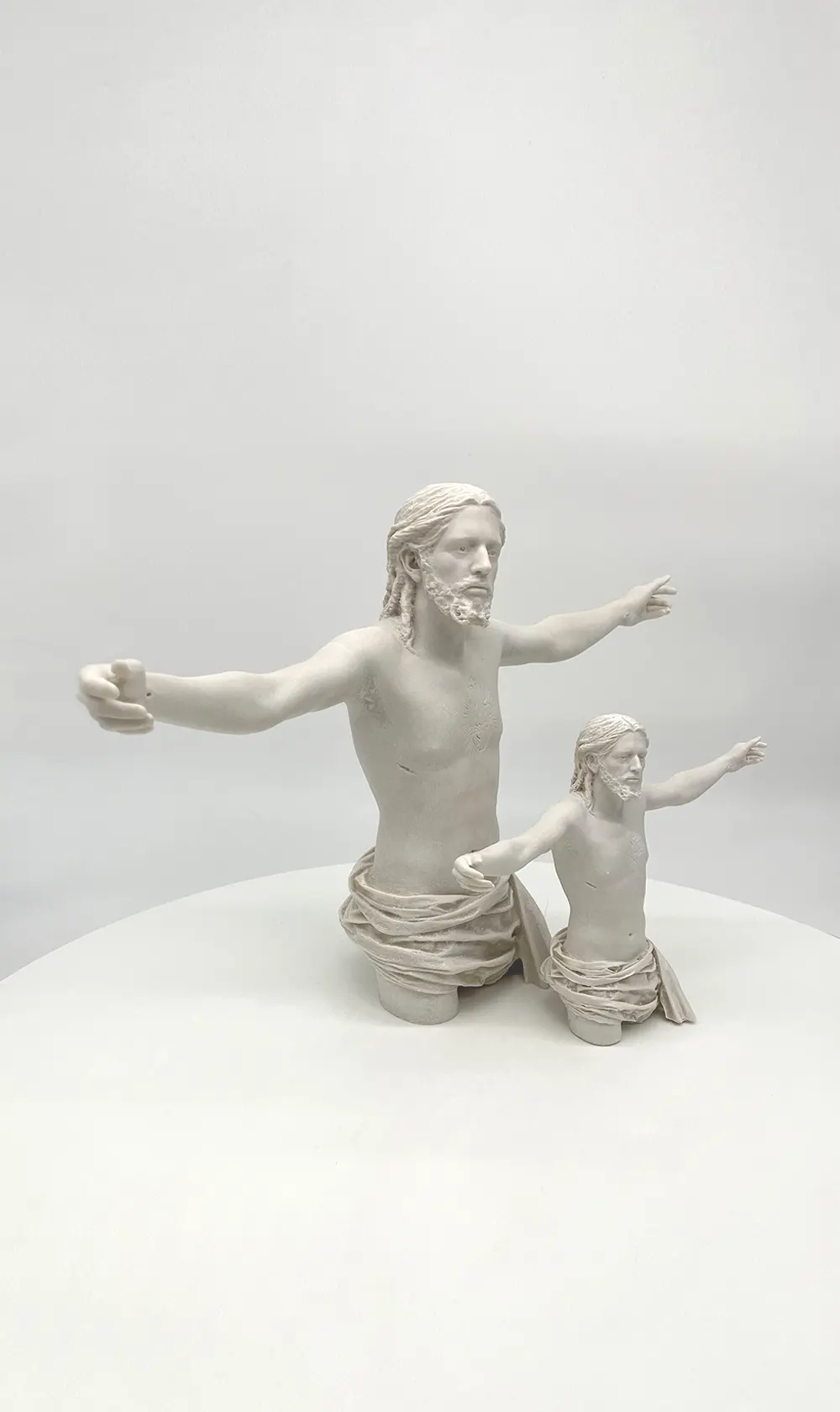
Photographer and sculptor Javier Viver, author of the Mother of Hakuna, or the Bella Pastora, is one of Spain's leading figures in contemporary sacred art. From July 25 to 30, he directs the Observatory of the Invisible, in which a hundred students and professionals from different artistic disciplines share creative experiences and reflections in the framework of the Monastery of Guadalupe.

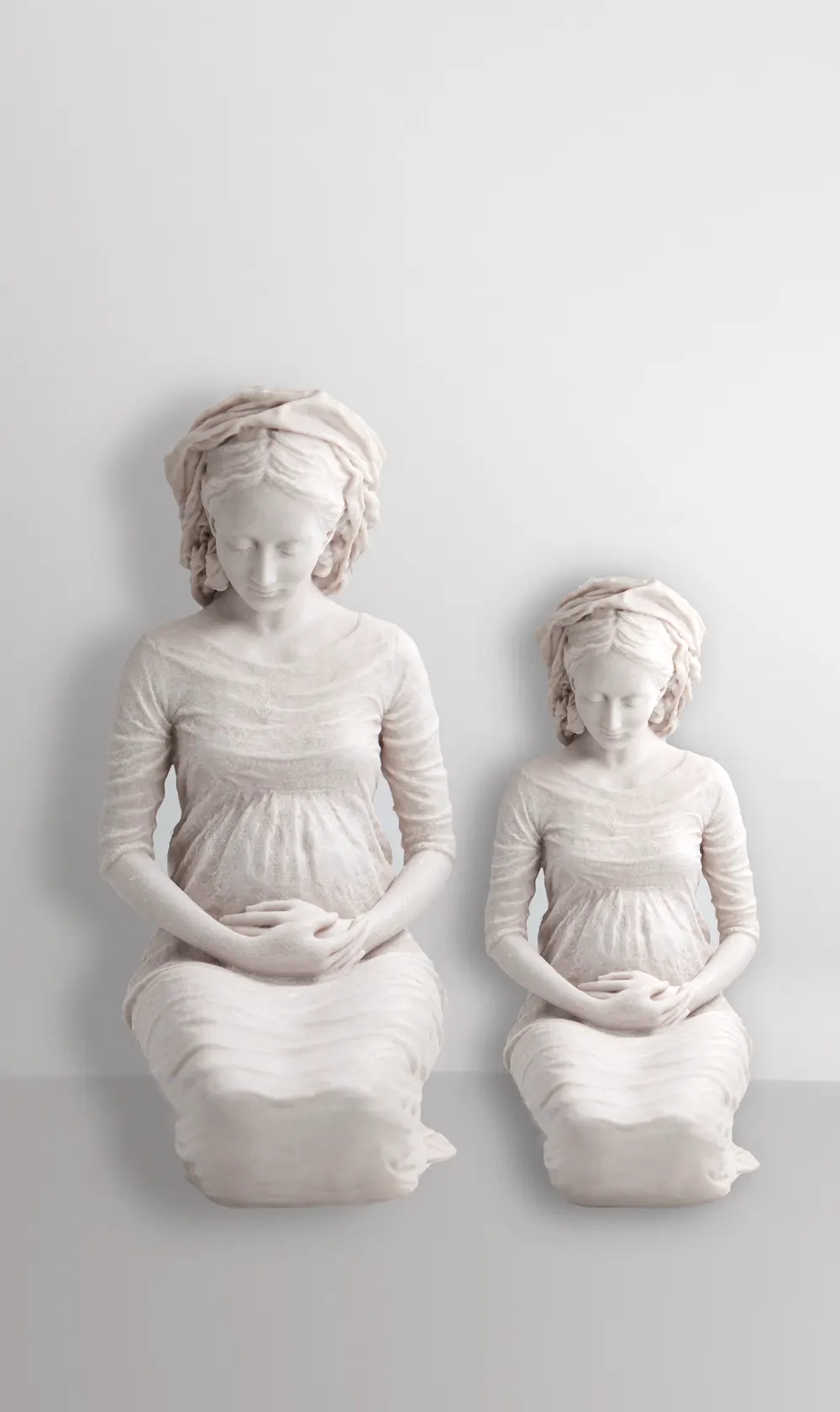
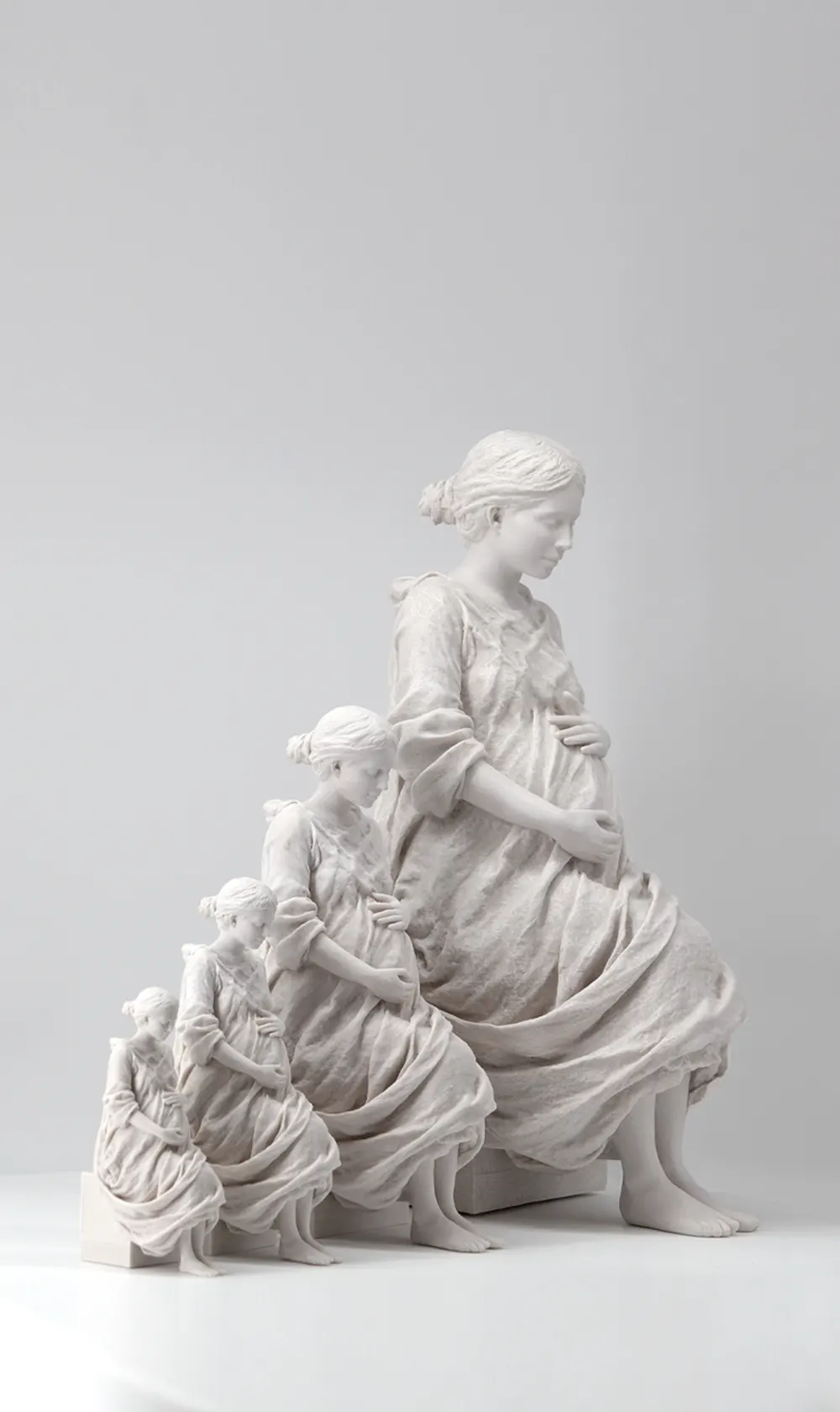
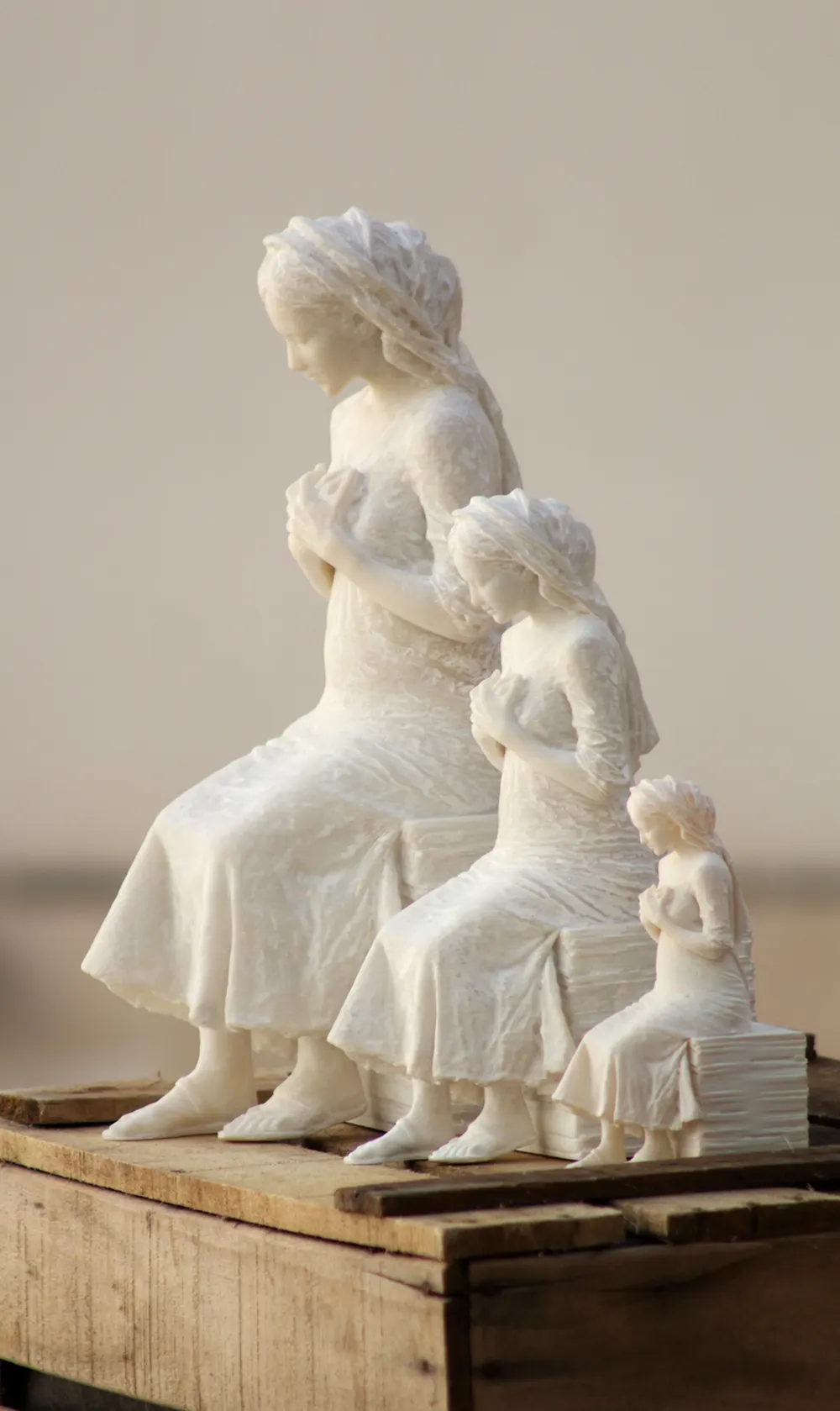
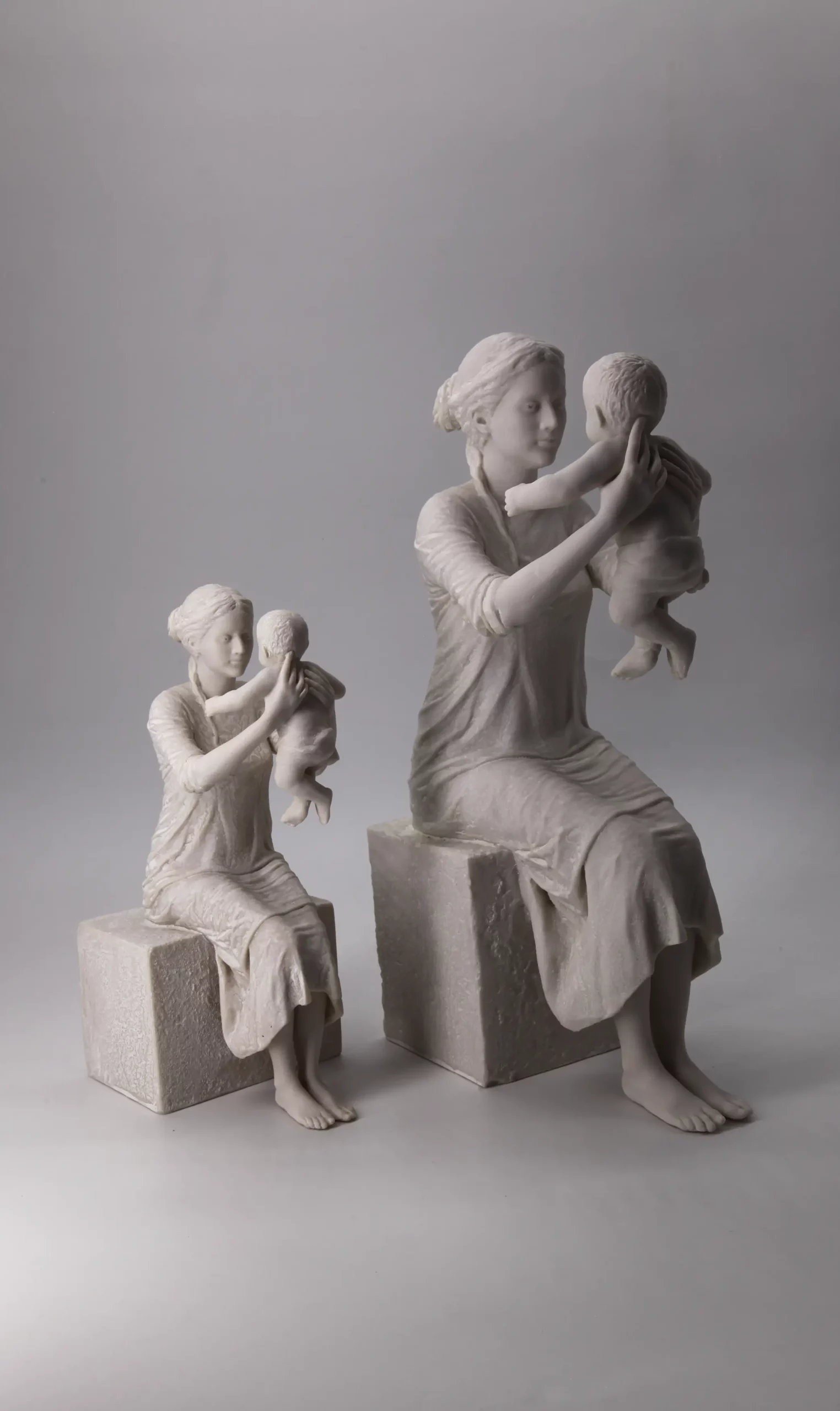
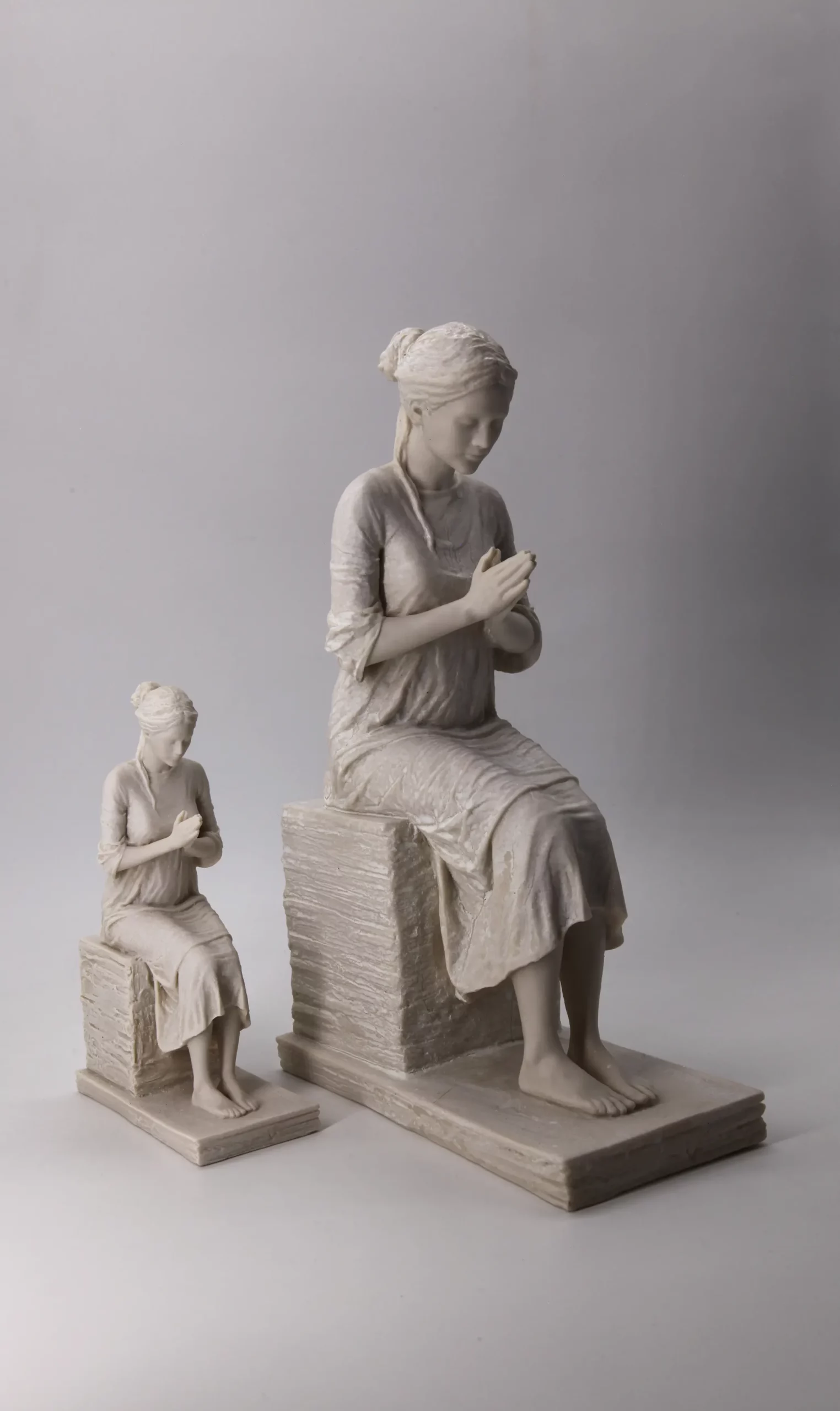
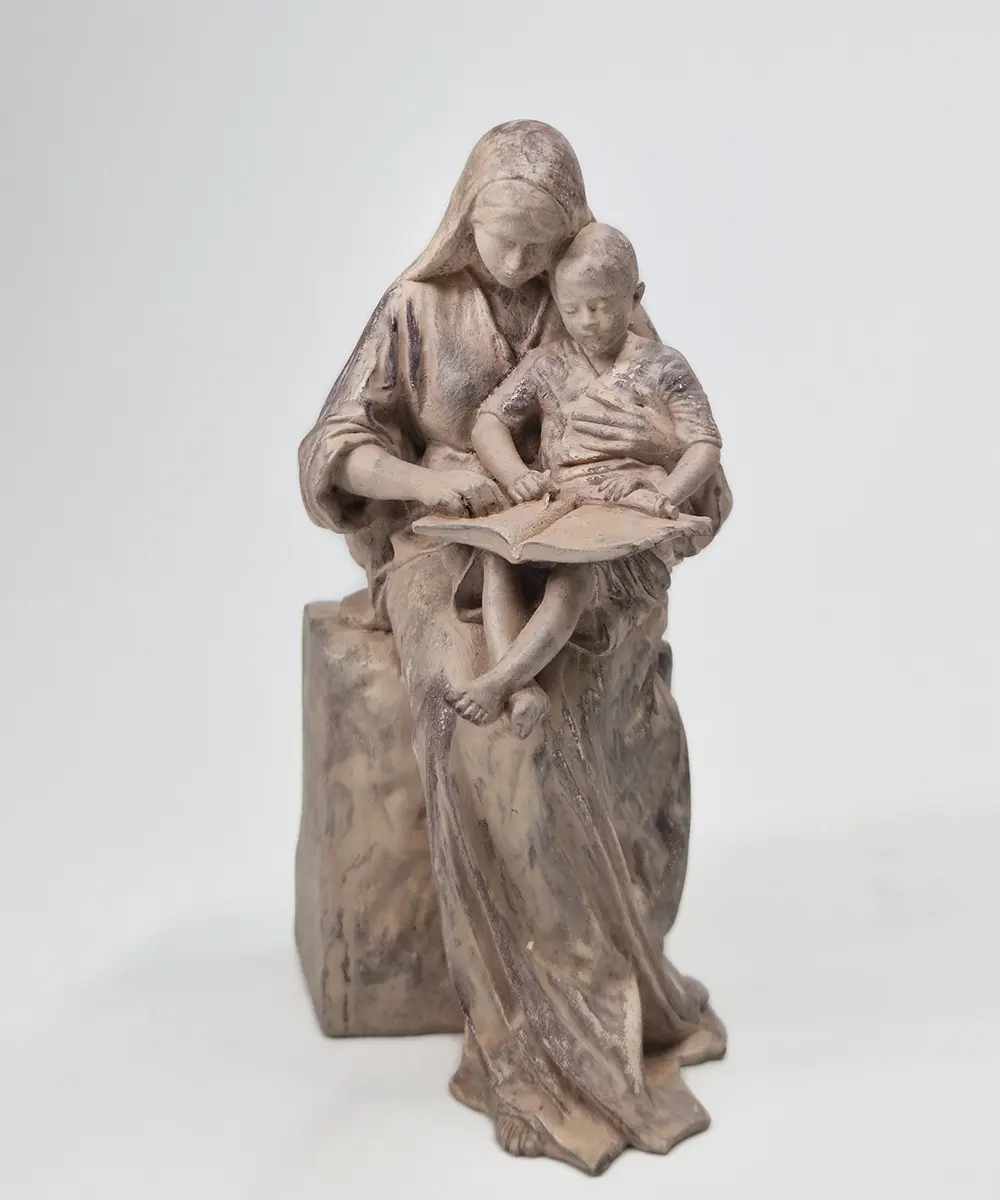
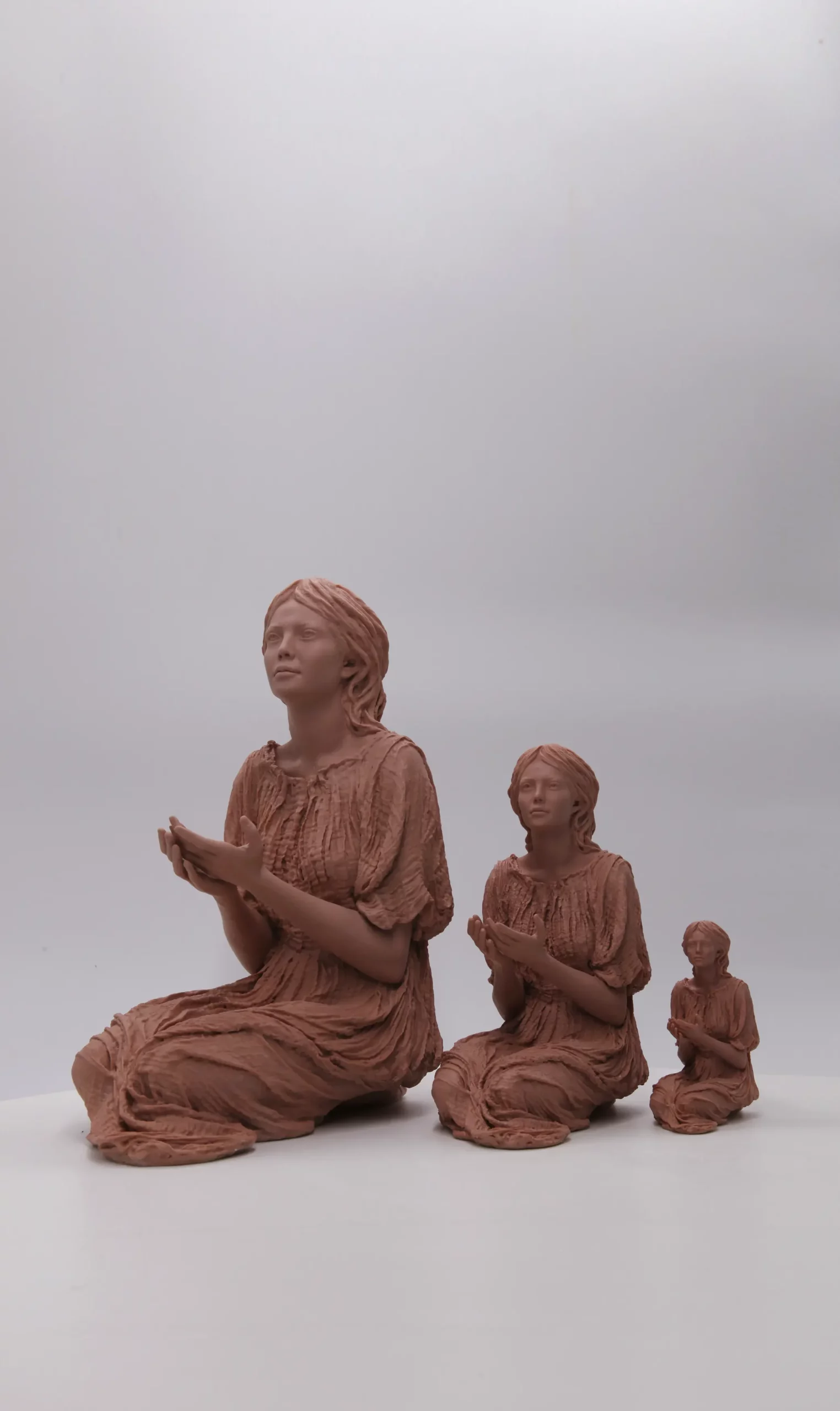
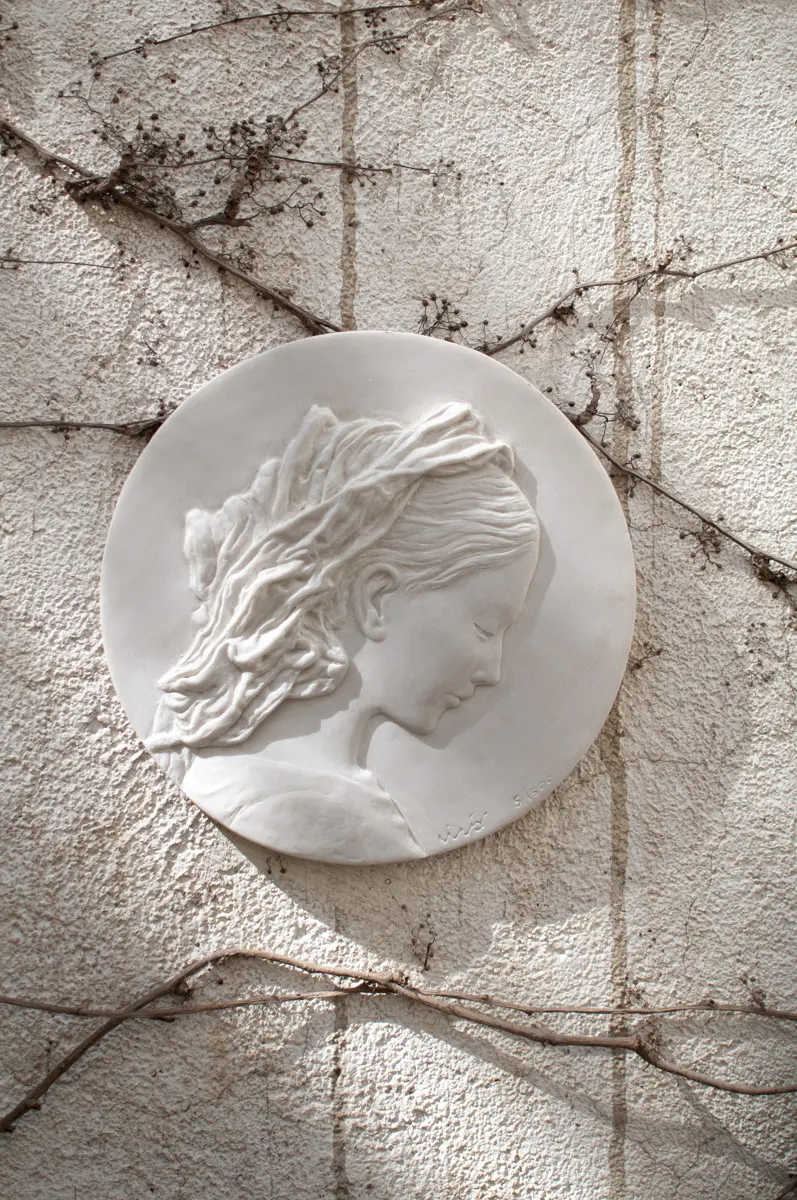
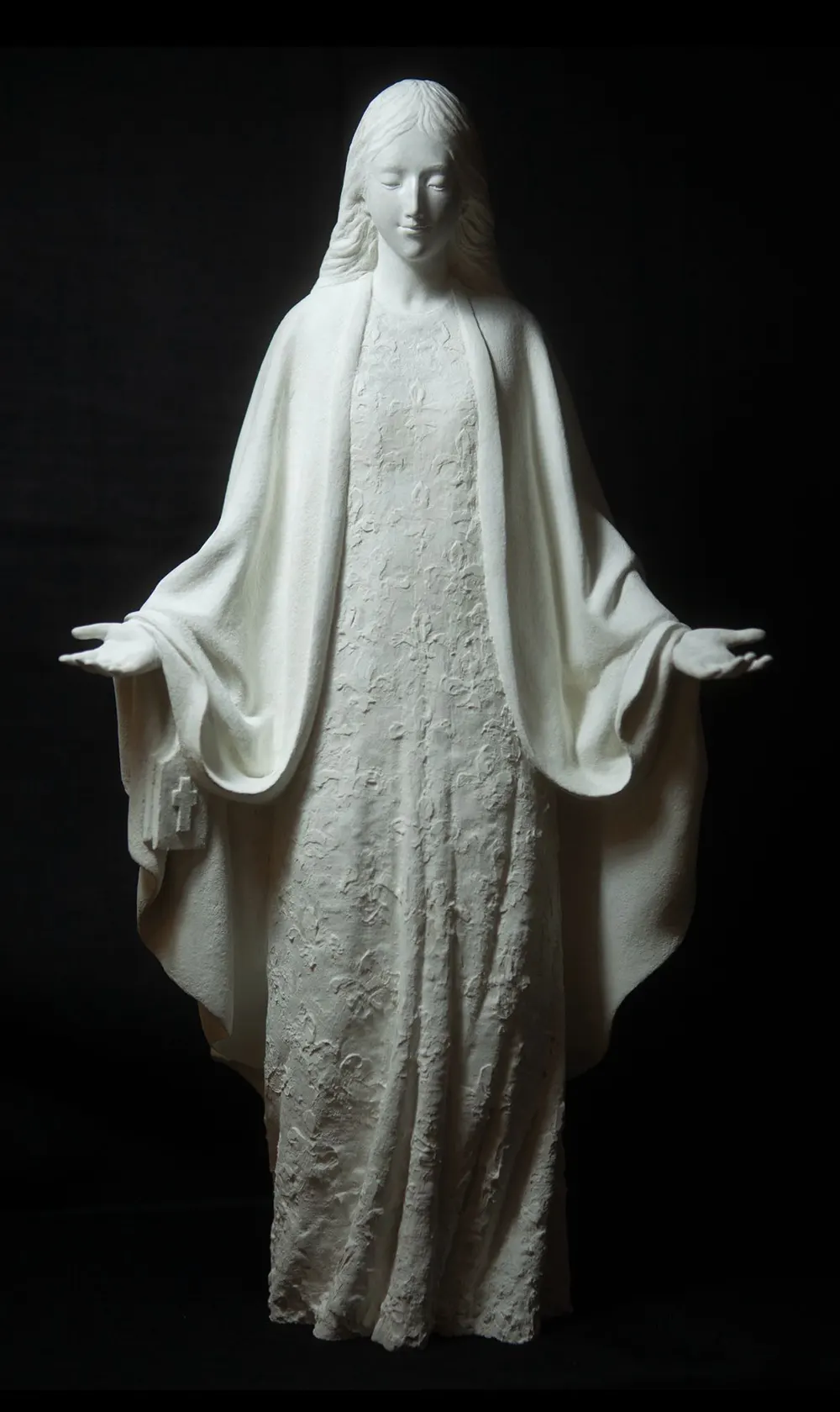
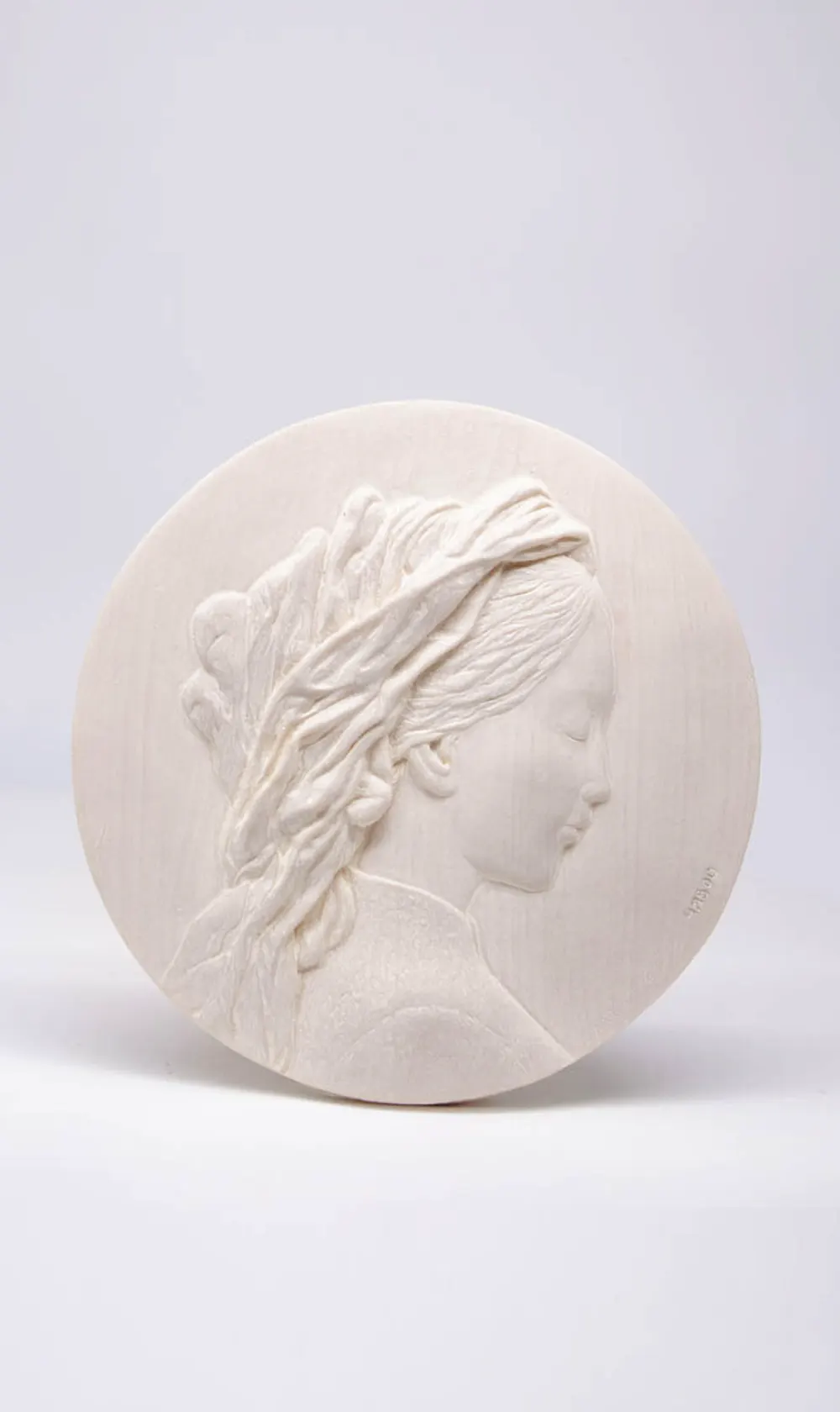
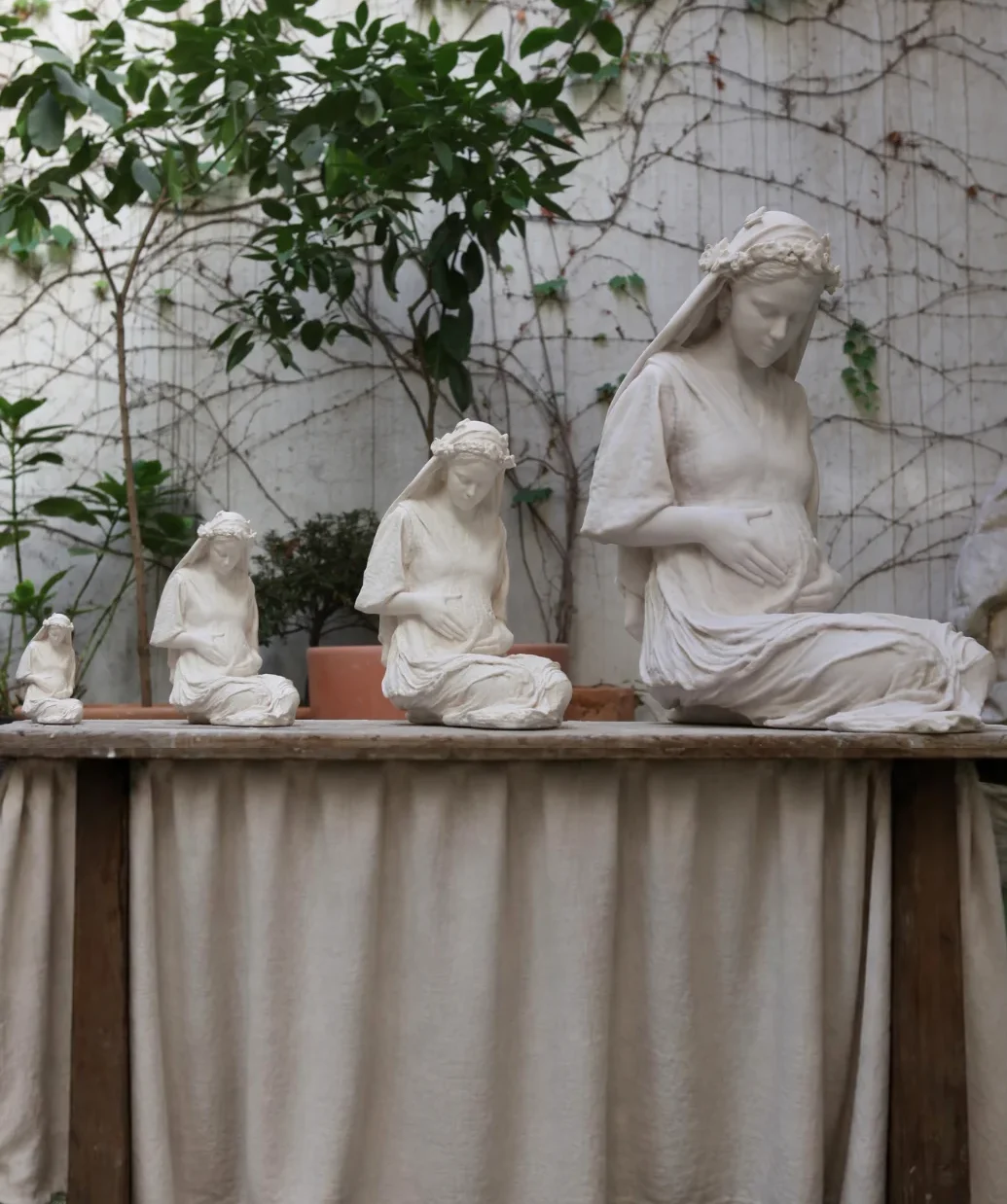
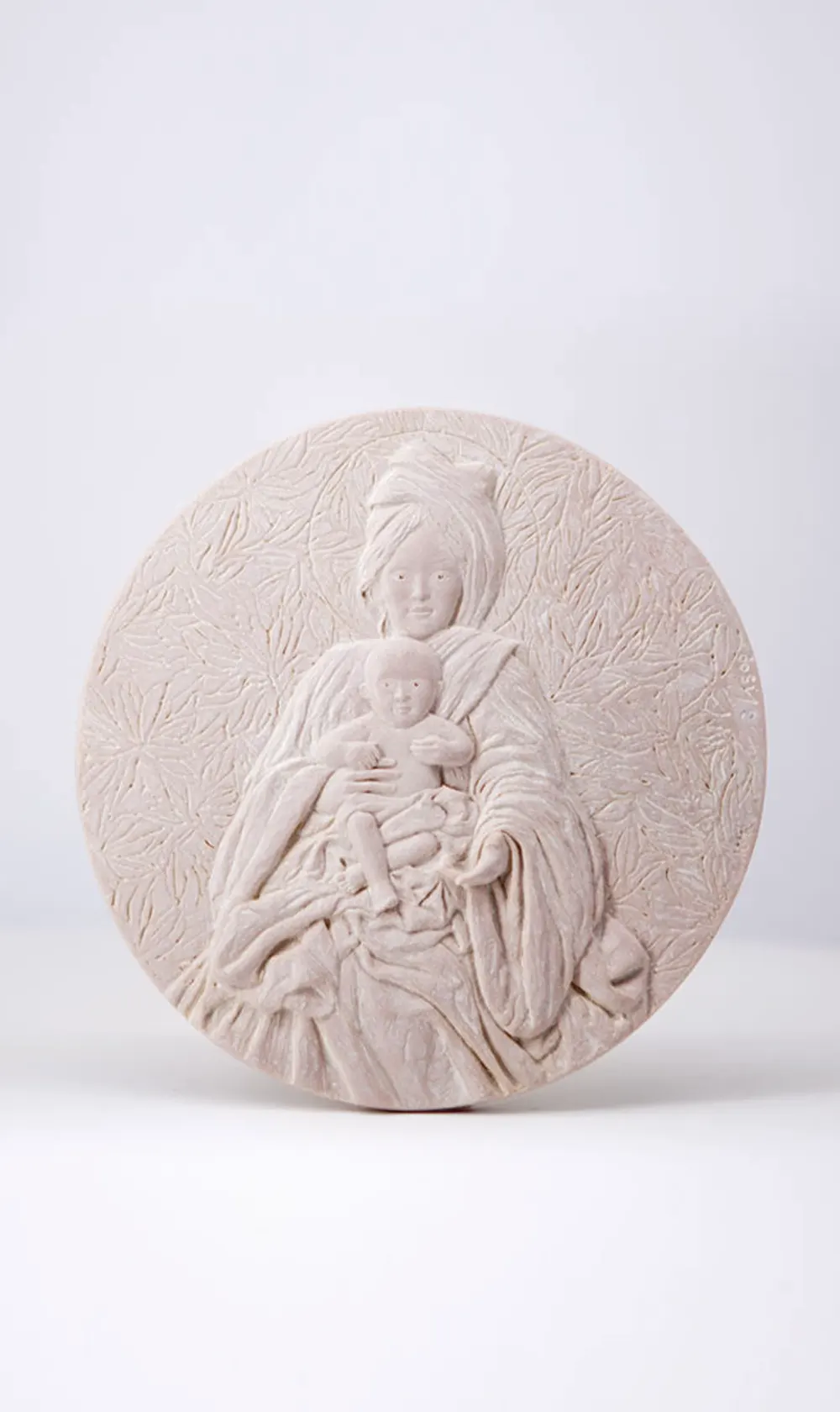
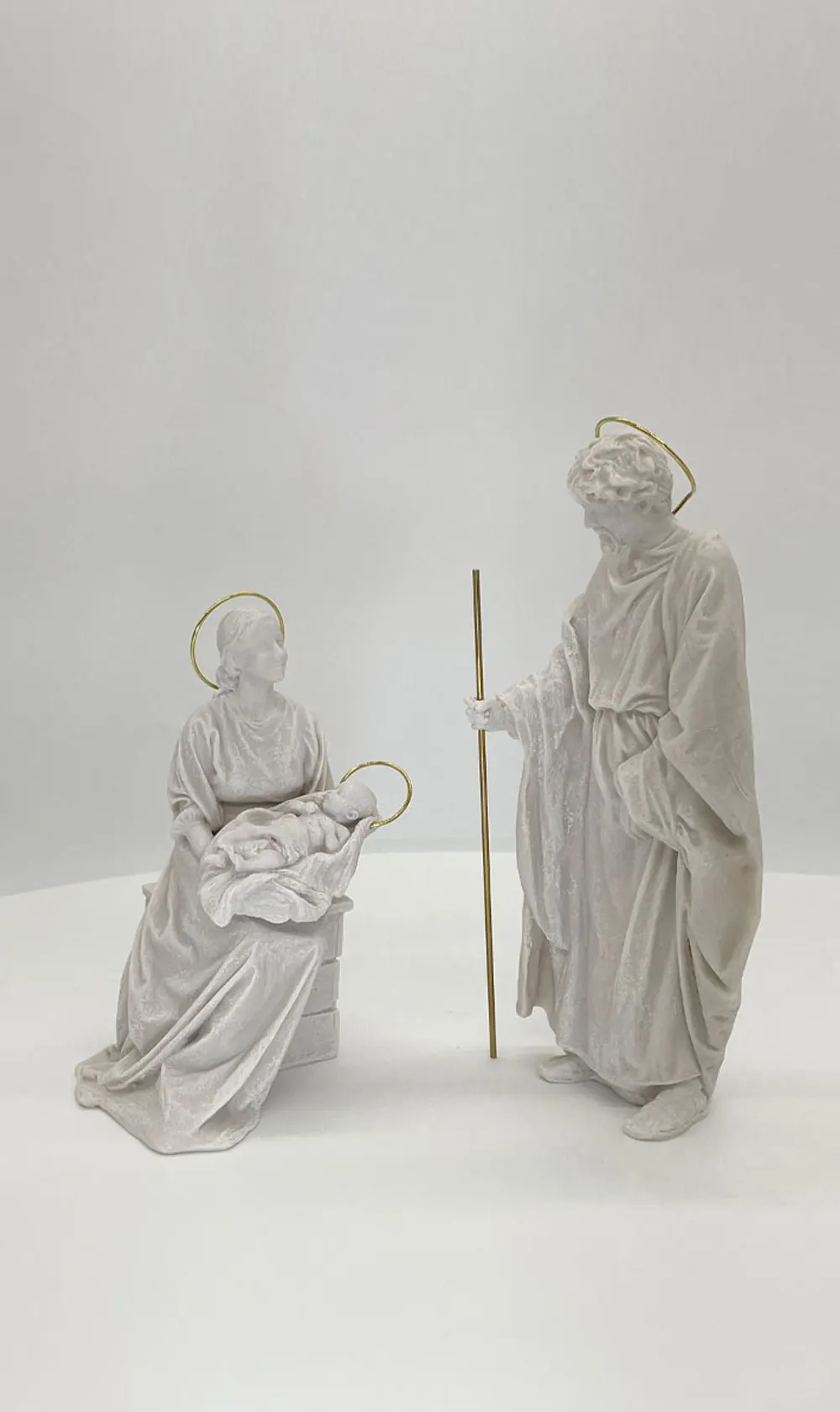
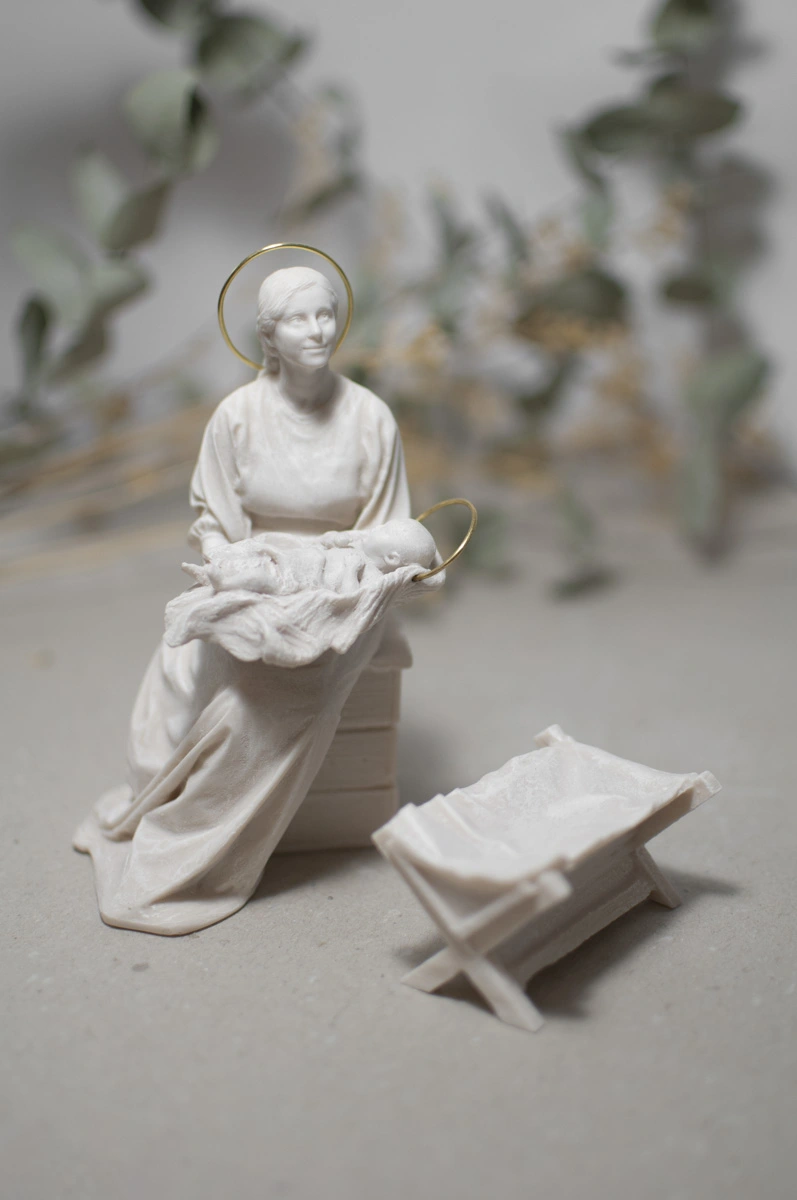
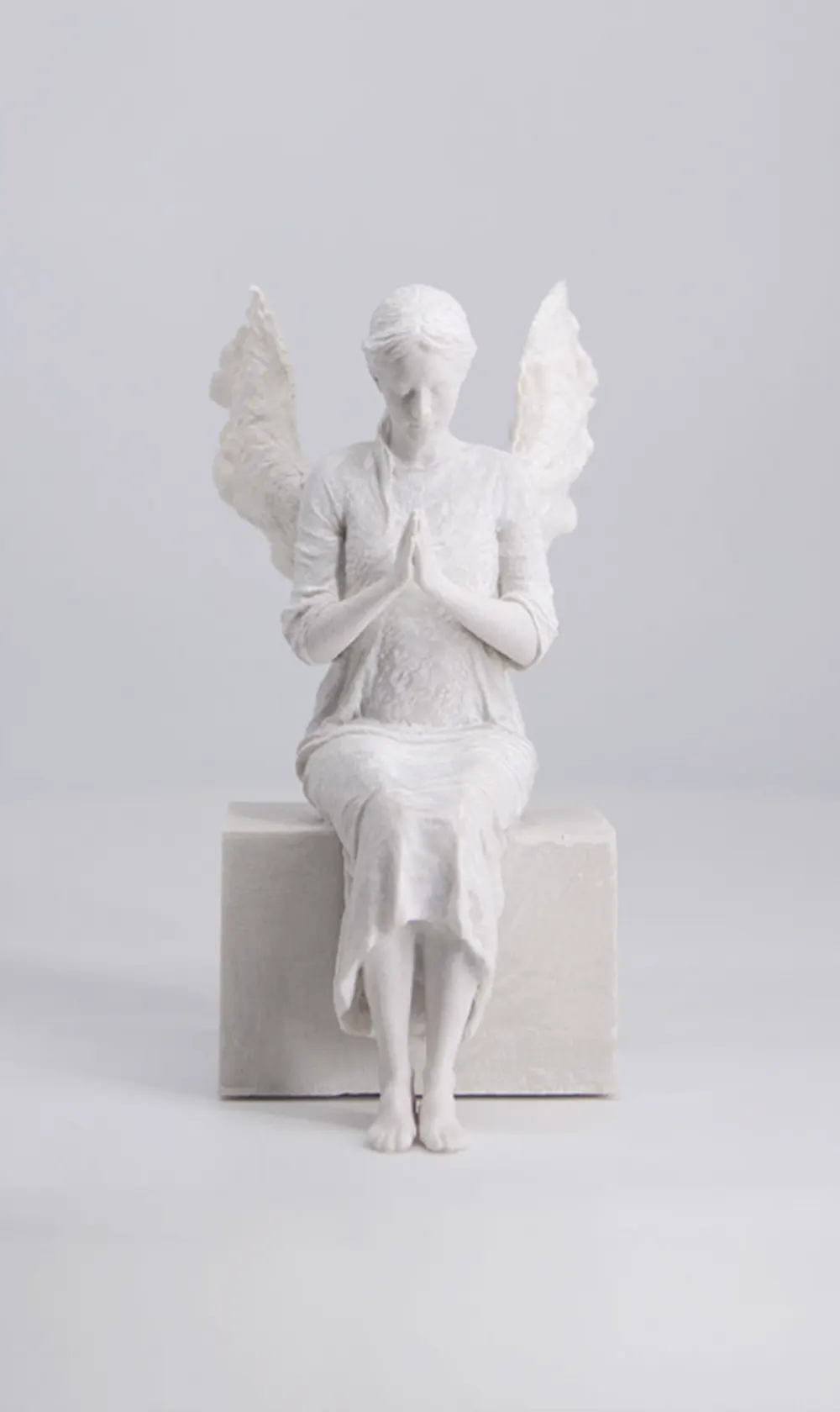
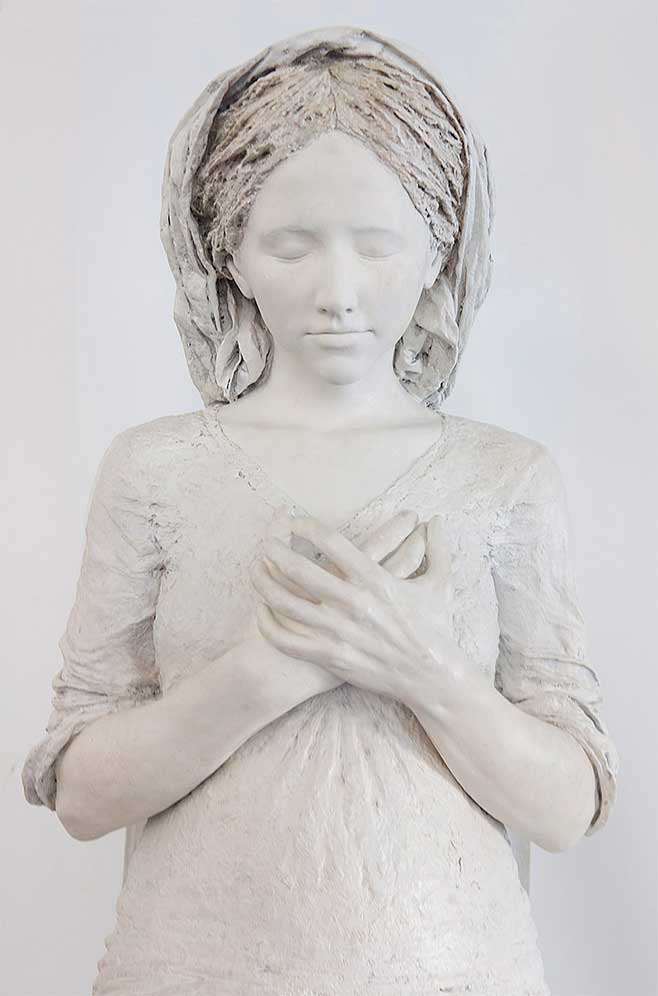
From his hands have come Marian images such as the Mother of Hakuna, the Bella Pastora of Iesu Communio, the woman of Lot or the Guardian Angel that, since a few days ago, can be seen in Madrid's Puerta del Angel. Javier Viver is one of the leading figures of contemporary sacred art in Spain, but he is also a prolific author of non-religious works, both sculptural and photographic.
Since last year, through the Fundación Vía, it has been promoting the Observatory of the Invisible. A summer school for students from different artistic disciplines, who for a week are immersed in an experience of art and spirituality in the framework of the Monastery of Guadalupe de Cáceres.
Against this backdrop, Viver points out in this interview with Omnes what he sees as the role of the artist in today's society: "to offer a sliver of hope, a piece of paradise, to society".
The first experience of the Observatory of the Invisible was a success and this has led to the expansion and continuation of the call for applications.
- The possibility of sharing artistic creation with a great diversity of artists of all disciplines and ages. More than 100 attendees between artists and students.
Why did you choose the surroundings of the Guadalupe Monastery?
- The Monastery is a historical center of spirituality and artistic creation of the first order. With masterpieces by Zurbarán, El Greco and Goya.
Speaking of the invisible, that art is the way for the materialization of the spirit
Can there be an inanimate art?
- No, art is waiting for a soul to interpret it, to reactivate it.
Does the artist create for himself or for the viewer?
- From my point of view it creates for a spectator, for a reader. Art as a cultural phenomenon only makes sense for a society. If it does not generate communication, communion, it will be anything else, but not art.
The most important works are those that connect and awaken the contemplation of other souls, of his generation and those to come. In this sense their projection is timeless, their audience universal and unlimited. Art in the long term is the best investment.
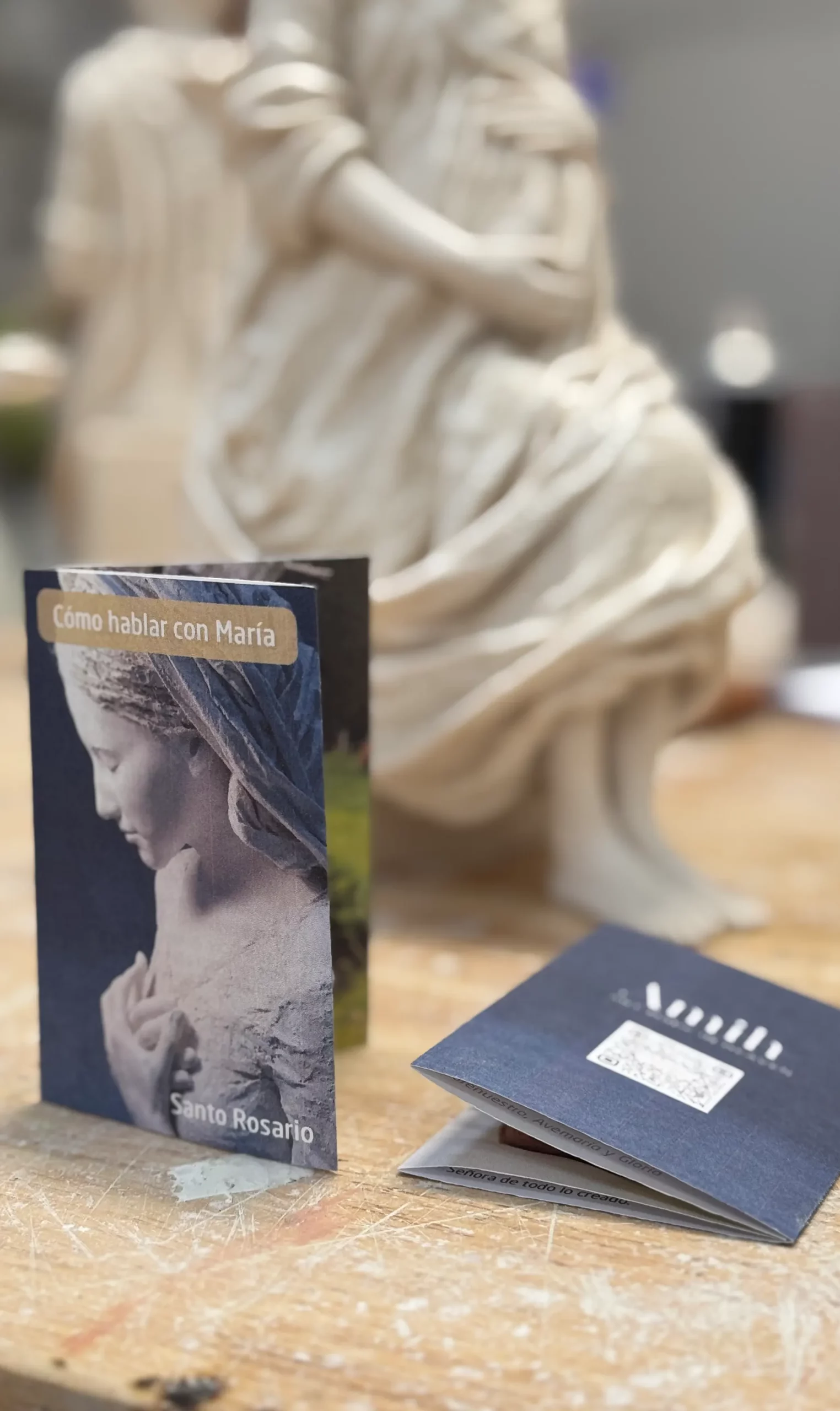
Among your best-known religious-themed works are the Marian images of the Bella Pastora or the Mother of Hakuna. How do you imagine the Virgin?
- The Virgin Mary is the nascent Church, the maiden of Nazareth who began this exciting adventure we call the Church. First it was the domestic Church of Nazareth, then the hierarchical Church. She is the living tradition of the Church, made domestic stories that she would later tell to the disciples of Jesus and they wrote in the Gospels and other writings. Moreover, Mary is the initiator of the Way of Art, via pulchritudinis.
Like the great women of history she was the great domestic narrator of salvation history and the great weaver. She was the mother of Jesus and became the mother of Jesus' disciples.